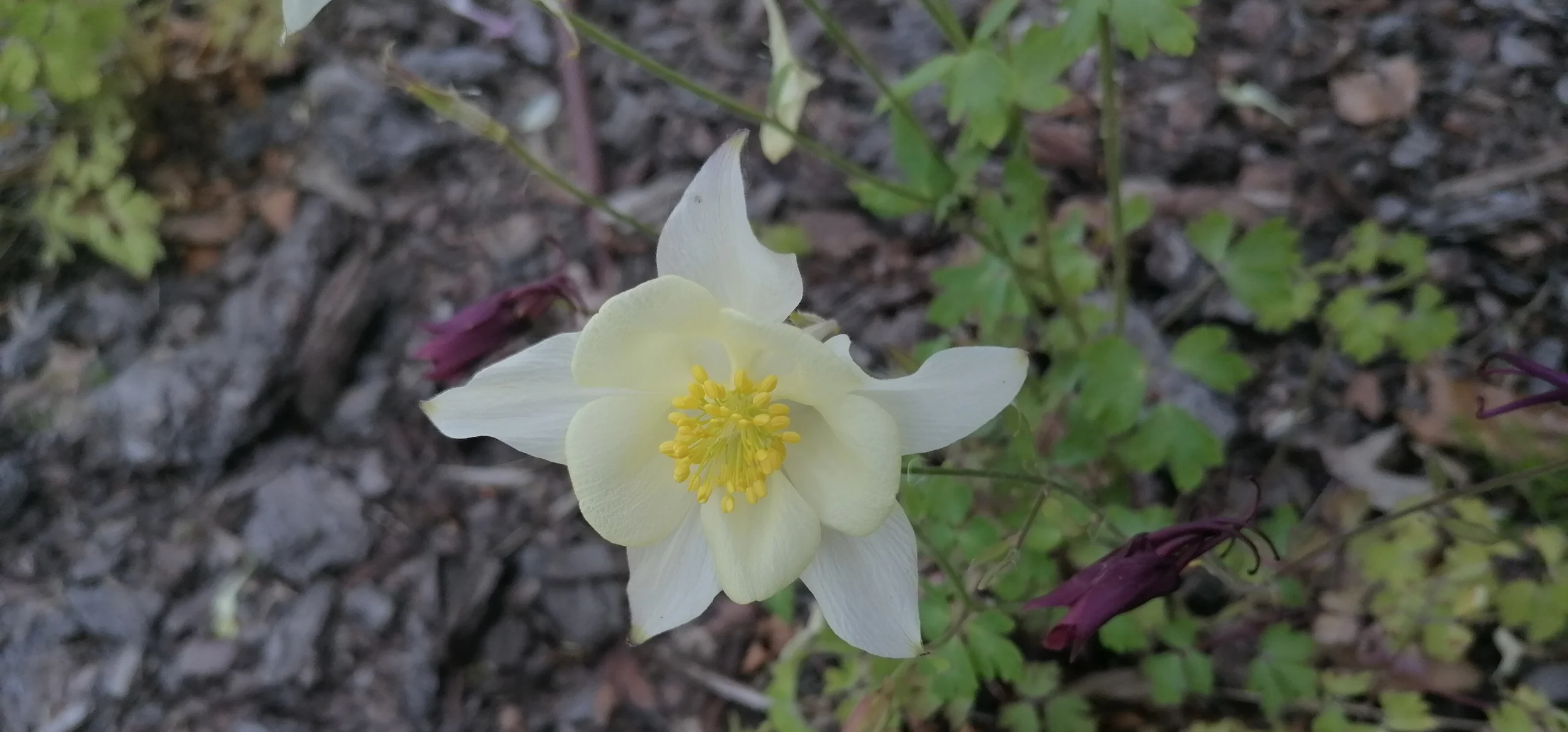
Common Columbine
Aquilegia vulgaris
Family · Ranunculaceae
Common columbine self-seeds fast and rarely comes true from cultivar seed. Covers site, watering, deadheading, aquilegia sawfly, leaf miner and pet safety.
Aquilegia vulgaris
Plant profile
- WateringModerateWater every 5 days
- Light exposurePartial sun
- Hardiness zoneUSDA 3–8
Growth
- Family
- Ranunculaceae
- Life cycle
- Perennial
- Growth speed
- 5/10
- Mature size
- 50–100 cm
- Spread
- 10–50 cm
- Flowering
- Spring, April to May
- Propagation
- Seed
Dormancyfoliage declines by midsummer, cut back hard then
Time to maturity2-5 years
Soil & climate
- Soil types
- loam, sand
- Drought tolerance
- No
Light & Placement
- Origin
- Europe, from the British Isles and Iberia to the Baltic states and European Russia
- Where to place it
- cottage garden border
- woodland edge
- rock garden
Safety
- Toxicity
- Not listed by the ASPCA as toxic to cats, dogs or horses
- Pet safe
- Yes
Invasive speciesself-seeds freely and can naturalize; cross-pollinates so cultivar seed rarely comes true
Data fromAquilegia vulgaris, GBIF Backbone TaxonoRHS: Aquilegia vulgaris (common columbinRHS: Aquilegia sawfly identification andMissouri Botanical Garden: Aquilegia vulUniversity of Illinois Extension: Columb
Where it grows
World distribution
Common Columbine is native to 22 countries: Albania, Austria, Belarus, Belgium, Bulgaria, Croatia, Czechia, and Estonia….GBIF records 219,828 documented identifications across 76 countries, with the largest concentrations in France, United Kingdom, and Sweden.
- Albania
- Austria
- Belarus
- Belgium
- Bulgaria
- Croatia
- Czechia
- Estonia
- France
- Germany
- Greece
- Hungary
Show 10 more countriesShow fewer countries
- Ireland
- Italy
- Netherlands
- Poland
- Portugal
- Romania
- Russia
- Spain
- Switzerland
- United Kingdom
Yellow to orange dots: concentration of documented identifications per country. Green countries: sourced native range. Source: GBIFNative range from POWO (Kew).
What You're Growing: Common Columbine and Its Cottage-Garden History
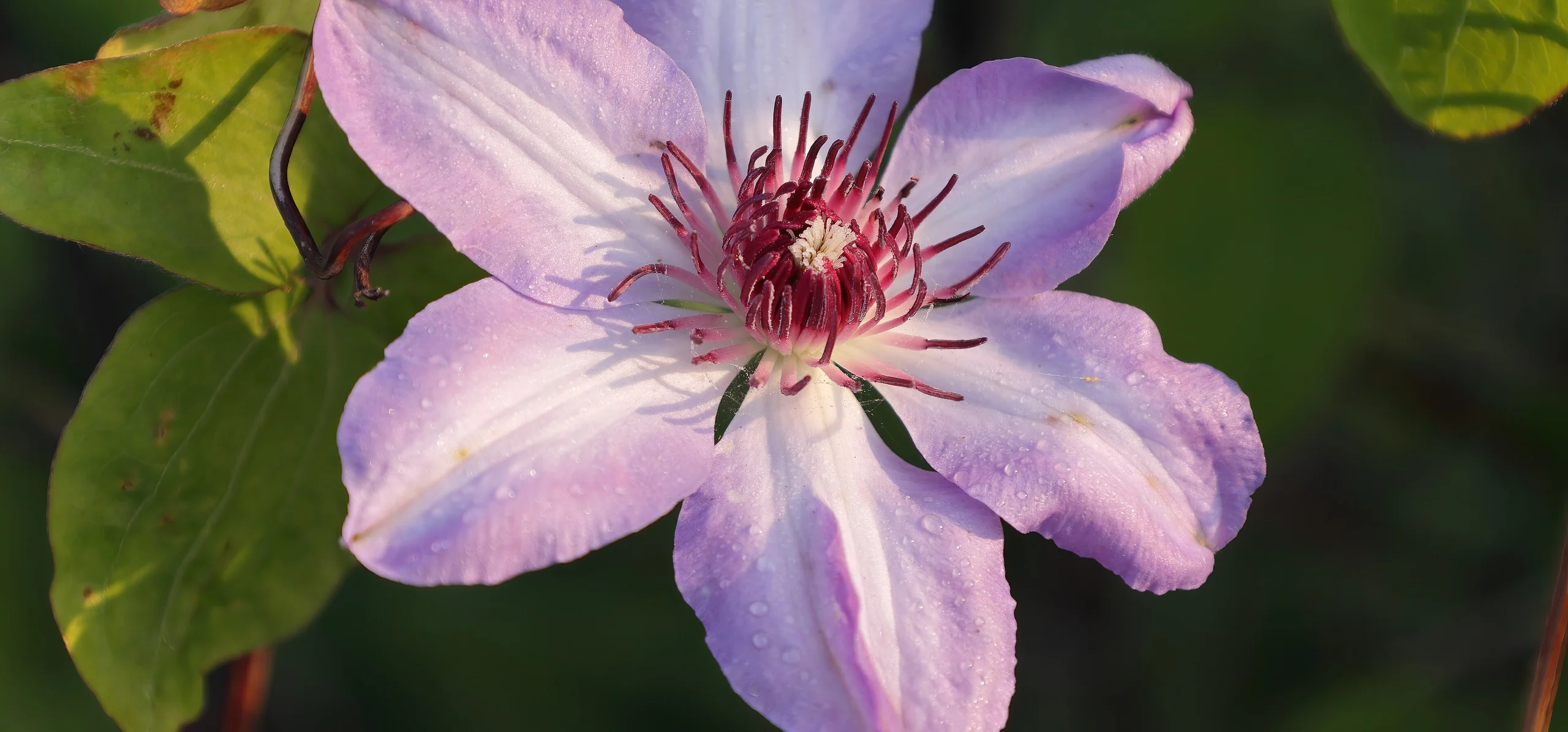
Common columbine, Aquilegia vulgaris, is a herbaceous perennial in the buttercup family, Ranunculaceae. The genus name comes from the Latin for eagle, a reference to the five hooked spurs on each flower, said to resemble an eagle's talons; vulgaris simply means common. Its old English nickname, granny's bonnet, describes the way the spreading petals fold around the flower centre like a bonnet. Nodding, spurred flowers open on wiry stems 50 to 100 cm tall from April into May, above a low mound of blue-green foliage divided into rounded, three-lobed leaflets. The wild species blooms blue-violet; garden seed strains and named cultivars extend the range to purple, mauve, pink, red and white, in single or double, short-spurred or spurless forms. Whether you sowed a packet of mixed seed or inherited a self-sown patch, the plant underneath is the same tough, short-lived cottage-garden staple.
Site, Sun and Soil
Common columbine takes full sun or part shade equally well. In a cool, cloudy climate full sun keeps the flowering stems upright and compact; in a hot summer region, give it a few hours of afternoon shade, ideally under deciduous trees, to stop the foliage scorching before autumn. The RHS rates it H7, hardy in the severest European winters below -20 degrees C, and Missouri Botanical Garden places it in USDA zones 3 to 8. It grows in average, medium-moisture, well-drained loam or sandy soil and tolerates acid, neutral or alkaline pH, but it sulks in heavy, poorly drained clay where the crown sits wet over winter. Cottage garden borders, woodland edges and rock gardens all suit it, and it self-sows readily enough to fill gaps between sturdier neighbours.
Watering and Feeding
Water needs sit in the middle of the scale, not a drought-tolerant plant for a dry corner, and not a bog plant either. Keep the soil evenly moist while flowering stems extend in spring, then keep watering after bloom finishes, this is what keeps the basal foliage mound looking fresh as ground cover through summer rather than crisping early. Skip heavy feeding: a spring topdressing of compost is enough, and soil that is too rich tends to produce lank, floppy stems instead of the plant's naturally compact clump.
Sowing and Self-Seeding: Why a Named Variety Rarely Comes True
Common columbine grows easily from seed and self-seeds so readily that a single established plant can colonise a bed within two or three seasons; seedlings form a low rosette the first year and typically flower by the second, with plants reaching full maturity in two to five years. That generosity comes with a catch. Columbine cross-pollinates freely between varieties growing nearby, so seed collected from a named cultivar, a particular colour or a double-flowered form, will often produce offspring that look nothing like the parent. Buy fresh seed or young plants if you want to hold a specific variety true, and thin volunteer seedlings each spring if you would rather keep the bed from turning into a mixed swarm of blues, purples, pinks and whites, which is exactly what an unmanaged patch settles into after a few generations.
Deadheading and the Midsummer Cutback
Cutting spent flower stems back to the foliage as they fade encourages a further, lighter flush of bloom and limits unwanted self-seeding if you are protecting a particular colour. By midsummer the foliage usually starts to decline regardless of care, browning and tattering at the edges; at that point cut the whole clump back hard to the base. Fresh, cleaner leaves generally regrow within a few weeks and carry the plant into autumn looking presentable again.


Leaf Miner and Aquilegia Sawfly
Two insects cause most of the damage seen on common columbine, and it helps to tell them apart. Columbine leaf miner tunnels inside the leaf and leaves a pale, blotch-shaped mine on the upper surface, often flecked with dark frass and turning purple-brown as it ages; a heavily mined plant can look shredded by late summer. University of Illinois Extension notes the damage is cosmetic and insecticides are not necessary, since the mines do not kill the plant, picking off and destroying the worst leaves is usually enough. Aquilegia sawfly is the more urgent of the two: pale green, caterpillar-like larvae with yellowish-brown heads, up to a centimetre long, feed in groups along the leaf edges from May, and an unchecked colony can strip a plant back to bare stems within days. The RHS recommends checking plants from May onward, picking off larvae by hand while numbers are low, and otherwise tolerating the damage, since plants generally recover and refoliate from the crown even after a bad defoliation.
Mildew, Aphids and Pet Safety
Powdery mildew and the more serious Aquilegia downy mildew both turn up occasionally, favoured by still air and crowded planting; thin overcrowded clumps and avoid wetting the foliage late in the day to cut the risk. Aphids cluster on new growth from time to time but rarely need more than a strong jet of water to knock back. On the safety question that comes up with any plant in the buttercup family, common columbine does not appear on the ASPCA's toxic plant lists for dogs, cats or horses, which sets it apart from several of its Ranunculaceae relatives. That is a useful reassurance rather than a guarantee, and it is still sensible to discourage pets and young children from chewing on any garden plant they are unfamiliar with.
Test your plant knowledge
Tap a card to flip it and reveal the answer.
The wild form of common columbine is usually blue-violet, though garden varieties range from white to pink to deep red. Tap to reveal ✓ True
Seed collected from a named columbine cultivar in the garden reliably grows into identical plants. Tap to reveal ✕ False
Aquilegia sawfly larvae feed in groups and can strip a plant's leaves within days if missed. Tap to reveal ✓ True
Damage from columbine leaf miner is usually fatal to the plant. Tap to reveal ✕ False
The ASPCA lists common columbine as toxic to dogs and cats. Tap to reveal ✕ False
Sources
References consulted for this guide
- Aquilegia vulgaris, GBIF Backbone Taxonomygbif.org
- RHS: Aquilegia vulgaris (common columbine)rhs.org.uk
- RHS: Aquilegia sawfly identification and controlrhs.org.uk
- Missouri Botanical Garden: Aquilegia vulgaris Plant Findermissouribotanicalgarden.org
- University of Illinois Extension: Columbine Leaf Minerweb.extension.illinois.edu
- Reference entity : Wikipédiaen.wikipedia.org