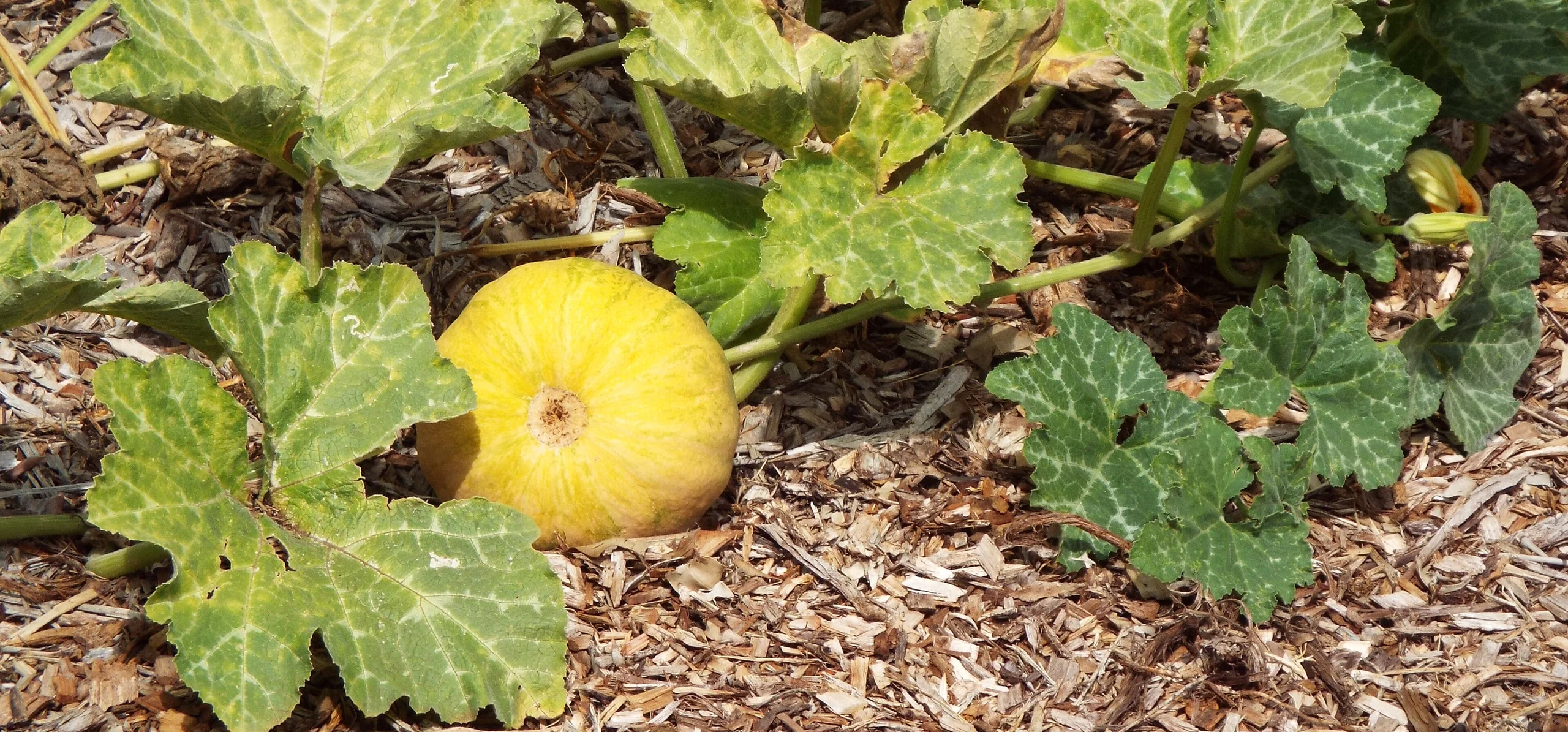
Butternut Squash
Cucurbita moschata
Family · Cucurbitaceae
Butternut squash needs 80 to 120 warm days, hand pollination in poor weather and a corked stem before harvest: from seed to a squash that keeps all winter.
Cucurbita moschata
Plant profile
- WateringModerateWater every 5 days
- Light exposureFull sun
Growth
- Family
- Cucurbitaceae
- Life cycle
- Annual
- Growth speed
- 8/10
- Mature size
- 23–46 cm
- Spread
- 305–457 cm
- Flowering
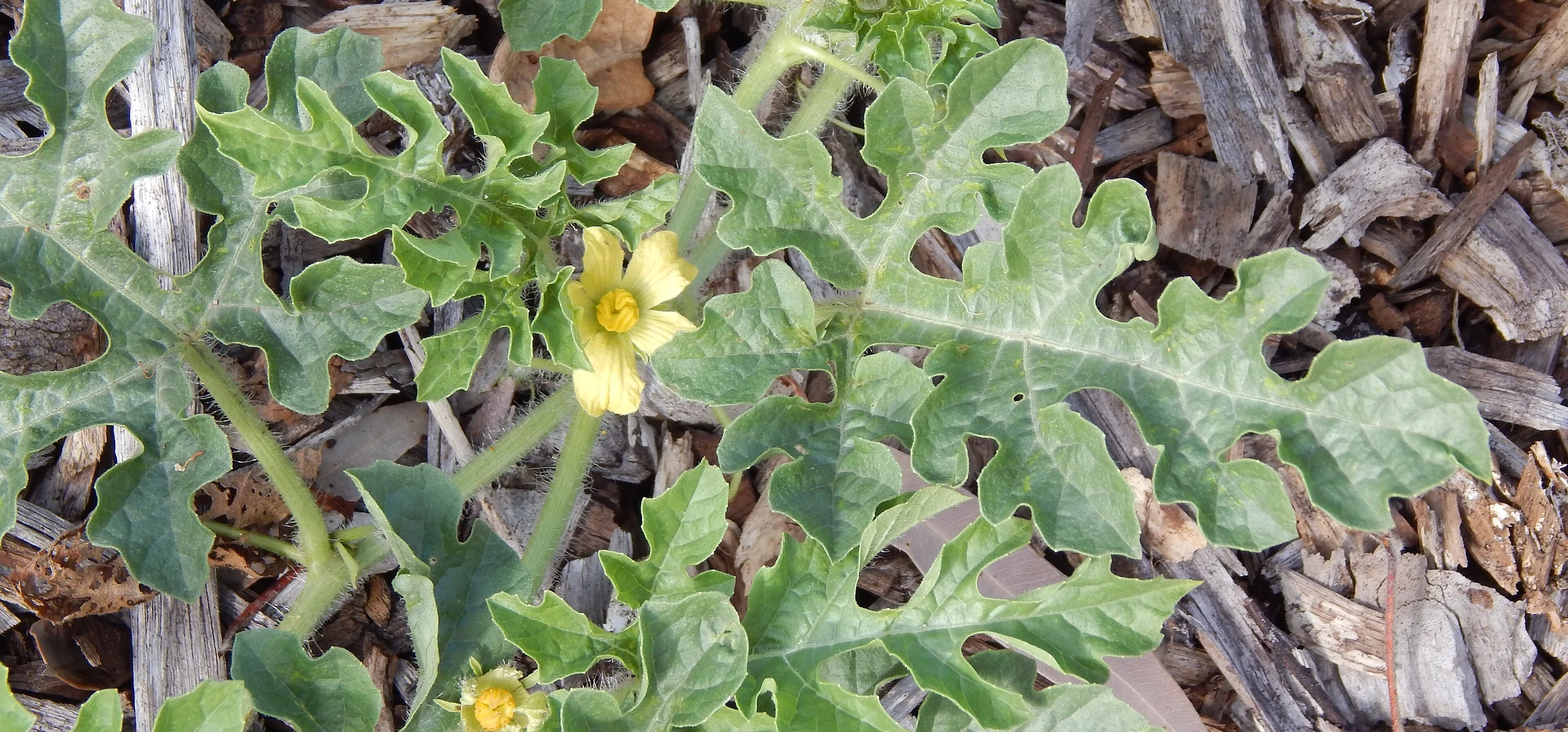
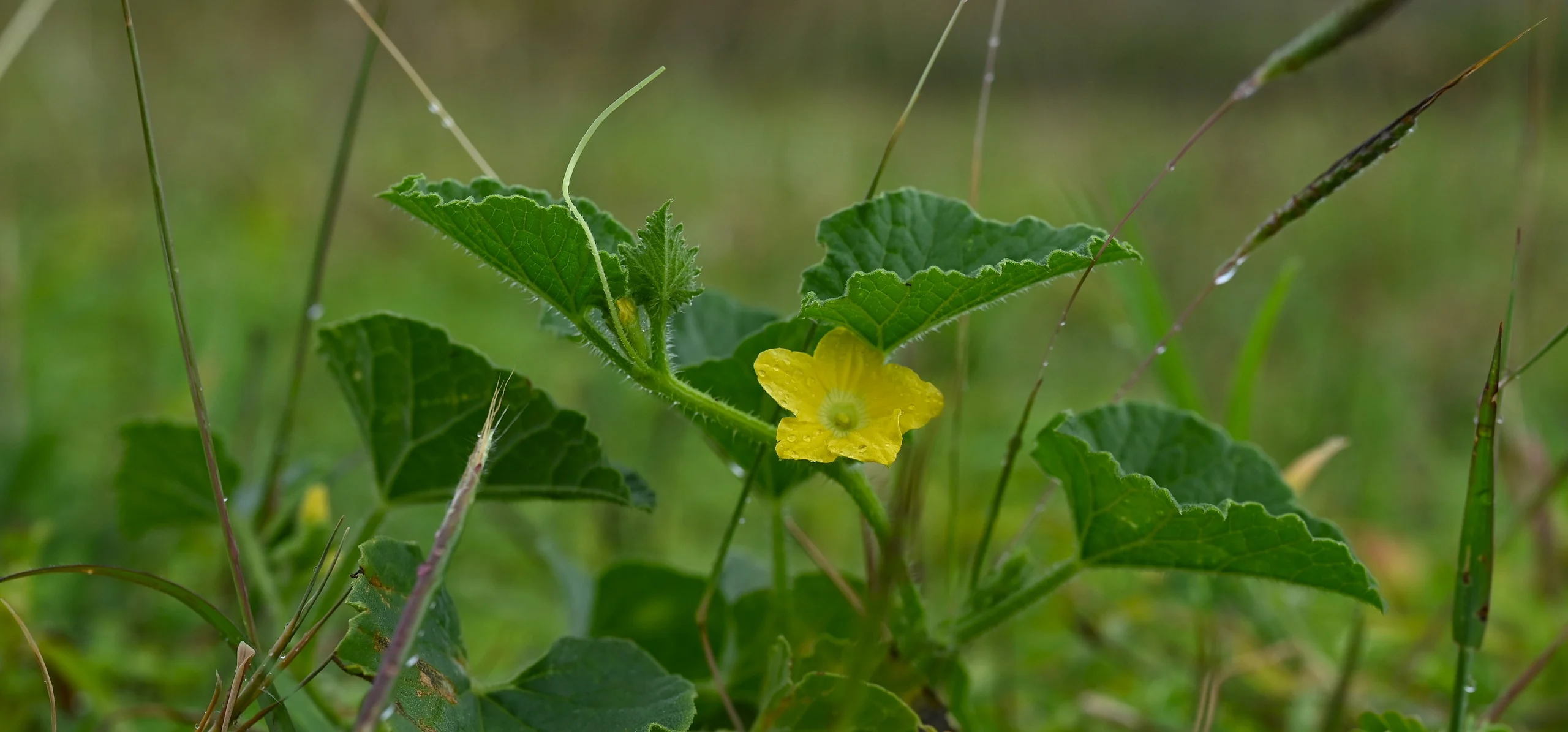
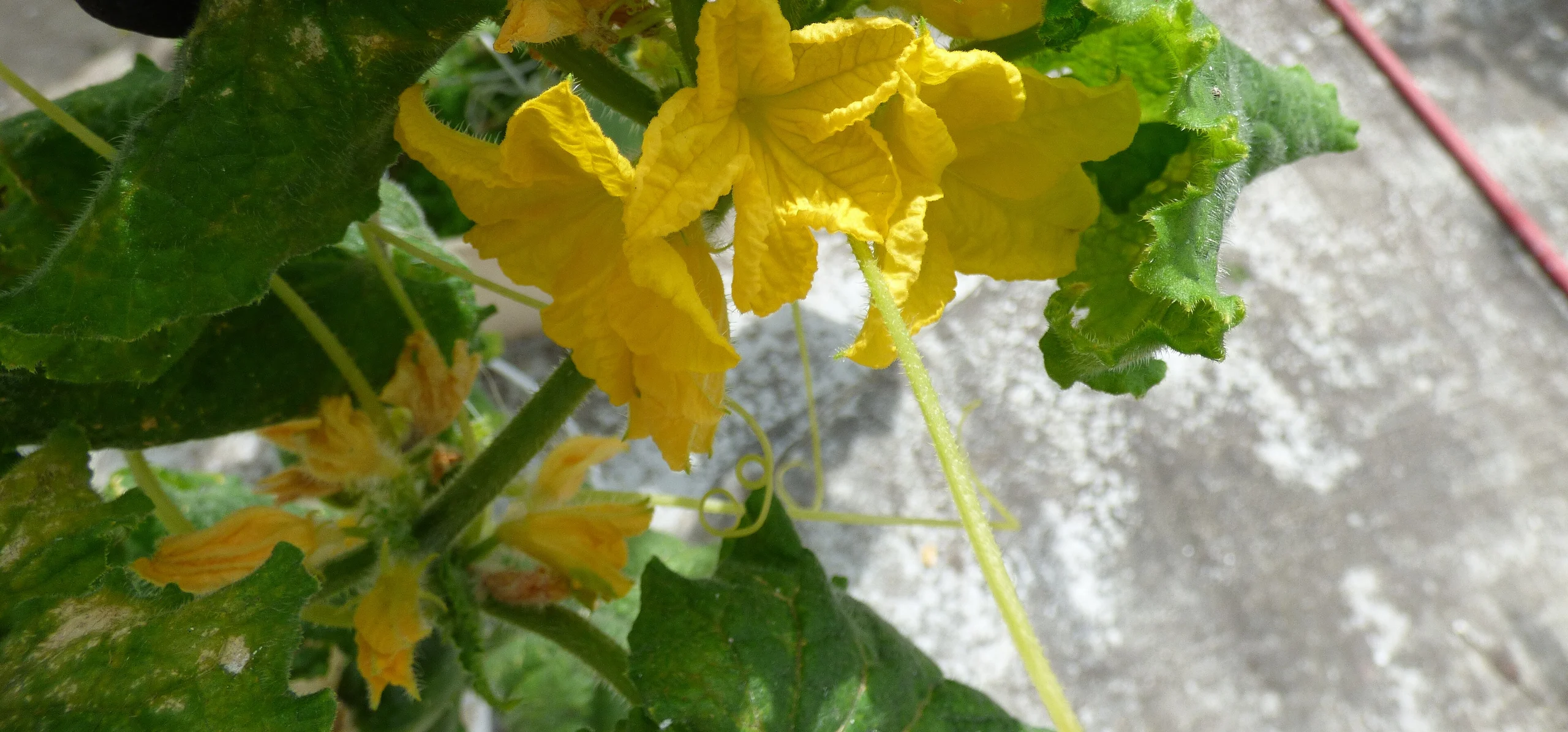
- Yellow flowers, separate male and female on the same plant (monoecious)
- Propagation
- Seed
DormancyNone; a frost-tender annual killed outright by the first fall frost
Time to maturity80 to 120 days from seed to harvest, depending on variety
Soil & climate
- Soil pH
- pH 6–6.5
- Soil types
- fertile, organically rich, well-drained, loam
- Saline soil
- Not tolerated
- Drought tolerance
- No
Light & Placement
- Origin
- Cultigen, Mexico to Guatemala (POWO)
- Where to place it
- sunny windowsill or grow light for raising transplants only
- sunny vegetable bed with room to ramble
- along a sturdy fence or trellis line
- very large container with a sturdy trellis; better suited to open ground
Safety
- Toxicity
- CatsSafe
- DogsSafe
- HorsesSafe
Invasive speciesNot invasive; a cultivated annual vegetable vine that does not persist or spread outside cultivation.
Data fromGBIF: Cucurbita moschata (Duchesne) DuchPlants of the World Online (Kew): CucurbASPCA: Toxic and Non-Toxic Plants, ButteMissouri Botanical Garden Plant Finder: Clemson Cooperative Extension HGIC: PumpUniversity of Georgia Extension: Commerc
Where it grows
World distribution
Butternut Squash is native to 3 countries: Belize, Guatemala, and Mexico.GBIF records 14,647 documented identifications across 163 countries, with the largest concentrations in Mexico, Guatemala, and Spain.
- Belize
- Guatemala
- Mexico
Yellow to orange dots: concentration of documented identifications per country. Green countries: sourced native range. Source: GBIFNative range from POWO (Kew).
Butternut squash needs a long, warm season more than almost any other garden vegetable, 80 to 120 days from seed to a fruit worth storing, according to University of Georgia Extension, and most of a summer spent as a sprawling vine before the first flower even opens. Get the timing wrong, sowing into soil that is still cold or running out of season before curing finishes, and there is no salvaging it partway through. What makes Cucurbita moschata worth the wait is that it shrugs off the pest that ruins most of its Cucurbita pepo cousins, the squash vine borer, and a well-cured fruit keeps in a cool pantry well into winter. Once established it asks for little: full sun, room to ramble or a trellis to climb, and water aimed at the roots rather than the leaves.
Choosing a Variety: Waltham and the Moschata Family
'Waltham' is the variety most seed racks stock, an open-pollinated selection bred for a straighter, more uniform neck than older moschata landraces, and it remains the standard against which trial gardens still measure newer butternut hybrids. It is one of many cultivars grouped under Cucurbita moschata, a species the Missouri Botanical Garden describes as a creeping, vine-like annual that is monoecious, meaning each plant carries separate male and female flowers rather than needing two plants to fruit. Other moschata types grown for pie filling or livestock feed, calabaza and Dickinson pumpkin among them, share the same disease and pest tolerances described below even though they look nothing like a butternut on the outside.
Starting Seed Indoors for a Long Warm Season
Seed germinates poorly in cold ground: Clemson Cooperative Extension puts the minimum soil temperature at 60°F (16°C) measured 4 inches down, and the Missouri Botanical Garden gives roughly 65°F (18°C), about the time of the last spring frost, as the point at which seed can go straight into the ground outdoors. In a short-season garden that leaves too little runway to reach 80 to 120 days of growth before autumn, which is why most growers start seed indoors in individual pots two to three weeks before the last frost date rather than direct-sowing. Cucurbits resent root disturbance, so sow into 3 to 4 inch pots rather than a flat, and move plants outside only once the soil has warmed and the frost risk has passed; a transplant checked by a late cold snap sits and sulks rather than growing on.
Spacing the Vine and Training It Off the Ground
Left to run along the ground, a butternut vine needs the room Clemson and the Missouri Botanical Garden both describe: hills 3 to 5 feet apart, with 6 to 8 feet between rows, since a single healthy plant can spread 10 to 15 feet by the end of the season. Where that much ground is not available, training the main vine up a sturdy fence, cattle panel or A-frame trellis cuts the footprint dramatically and lifts the fruit off damp soil, where it is prone to rot and slug damage. A heavy fruit gaining size on a trellis benefits from a sling, an old stocking or a piece of netting tied to the support, since the stem alone cannot always carry the weight as the squash swells.


Hand-Pollinating the Female Flowers
Butternut squash carries separate male and female flowers on the same plant, and only a bee moving pollen between the two sets fruit. A female flower is easy to pick out even before it opens, thanks to the miniature fruit already swollen behind the petals, while a male flower sits on a plain, unswollen stem. In a garden short on pollinators, or during a cool, wet spell when bees fly less, picking a newly opened male flower, stripping back its petals to expose the pollen-covered anther, and brushing it directly onto the center of an open female flower does the same job by hand; both sexes open for one morning only, so pollination has to happen before the flowers close around midday. A flower pollinated successfully closes normally that evening and the fruit behind it keeps swelling, while one that was missed yellows and drops within a few days.
Watering at the Base and Managing Powdery Mildew
Clemson recommends moistening the soil to a full 6 inches deep at each watering, applied at the base of the plant rather than overhead, since foliage left wet overnight is what lets powdery mildew take hold. University of Georgia Extension describes the disease as a white, powdery growth on the upper leaf surface that spreads through a planting in humid weather and can weaken the vine badly enough to slow ripening on fruit still sizing up. A soaker hose, or a pot sunk beside the root ball and filled at each watering, reaches the roots without wetting the leaves; the Missouri Botanical Garden rates the plant's overall need as medium, meaning the soil should stay evenly moist without turning waterlogged.
Why Moschata Resists the Squash Vine Borer
The squash vine borer, a white grub that tunnels into the base of the stem and can collapse an entire plant within days, is one of the few garden pests that mostly leaves Cucurbita moschata alone. Ohio State University Extension notes that the adult moth rarely lays eggs on butternut and related moschata types in the first place, and that any larvae which do hatch on one typically fail to survive, so a butternut planting generally needs no borer-specific spraying or stem wrapping at all. That is a real advantage over Cucurbita pepo squash, the group that includes zucchini and most summer squash, where the same extension service notes the borer causes the most severe damage of any squash pest; a gardener who has lost a zucchini patch to the borer can plant butternut in the same bed with far less worry.
Reading the Stem for Harvest Timing
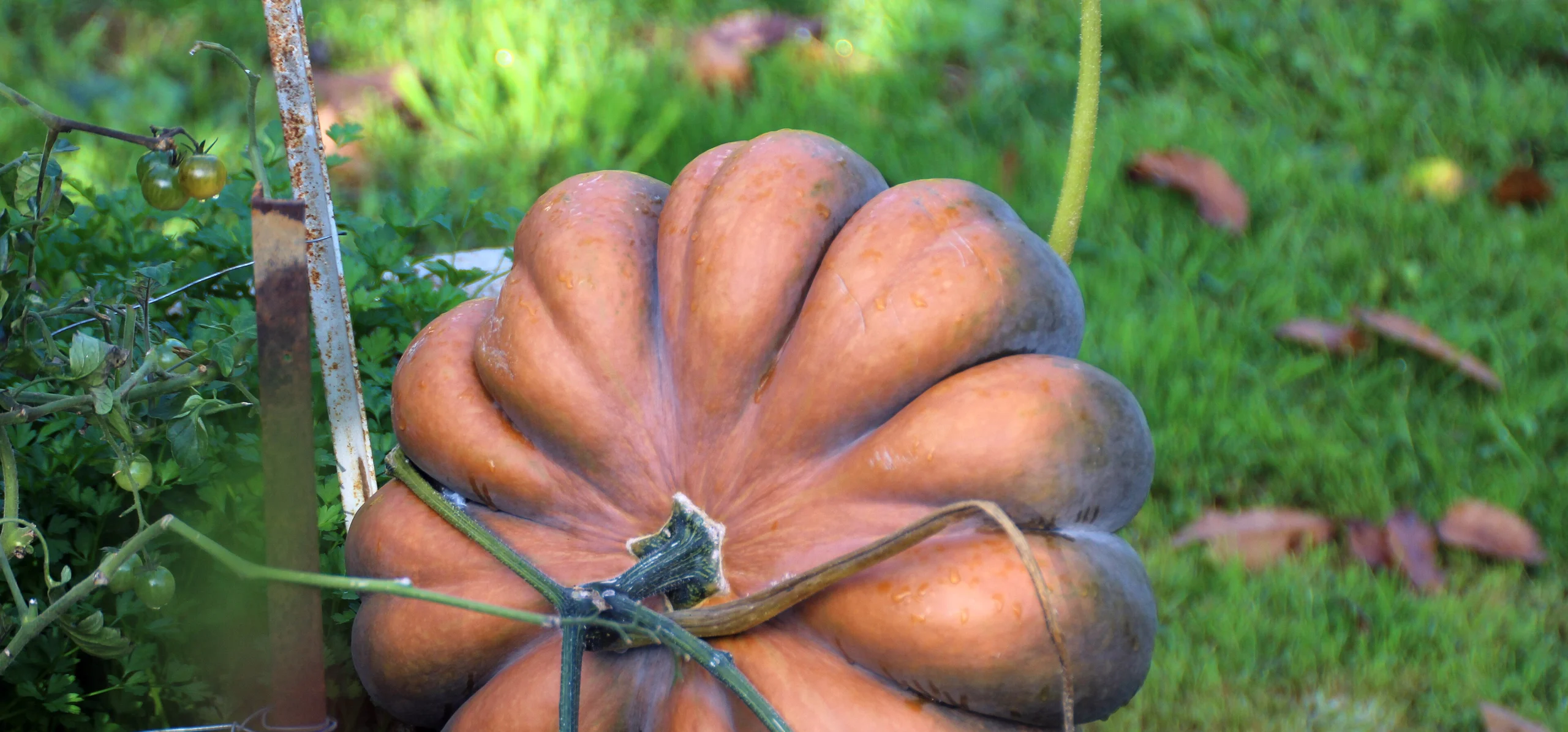
Skin color alone is a poor guide to ripeness; University of California Cooperative Extension points to the stem where it meets the fruit, which loses its green color and develops brown, dry, woody stripes as the fruit finishes maturing, a change gardeners call the stem corking. Once that corking has set in, the rind itself should resist an attempt to dent it with a fingernail, changing, per Clemson, from a glossy, juvenile sheen to a duller, drier surface. Cut the fruit free rather than pulling it, leaving a few inches of stem attached, since a squash that loses its stem in handling seals over poorly and rots in storage far sooner than one harvested intact. A hard frost forecast is reason enough to bring in anything left on the vine, corked or not, since the fruit itself has little frost tolerance even though the mature rind looks tough.
Curing and Storing Through Winter
Freshly cut squash is not ready for the pantry. University of California Cooperative Extension recommends curing it for 7 to 14 days at 80 to 85°F with good air circulation, which hardens the skin further, heals over small nicks from harvest, and concentrates the sugars that make cured squash taste noticeably sweeter than one eaten straight off the vine; Clemson gives a similar window of about 10 days at 80 to 85°F and 75 to 80 percent humidity. After curing, move the fruit to a cooler, dry spot, ideally 50 to 60°F, spaced out in a single layer rather than stacked; stored this way, a well-cured butternut keeps for two to three months, sometimes longer, per University of California Cooperative Extension. Check stored fruit every few weeks and use any with a soft or moist spot on the skin first, since one squash breaking down can encourage the same in whatever it touches.
Test your plant knowledge
Tap a card to flip it and reveal the answer.
Butternut squash is naturally resistant to the squash vine borer that devastates zucchini and other Cucurbita pepo varieties. Tap to reveal ✓ True
A butternut squash is ready to harvest as soon as its skin turns tan, regardless of what the stem looks like. Tap to reveal ✕ False
Watering overhead so the leaves stay wet overnight increases the risk of powdery mildew. Tap to reveal ✓ True
A single butternut squash vine can spread 10 to 15 feet unless it is trained up a trellis. Tap to reveal ✓ True
Freshly harvested butternut squash can go straight into long-term storage without curing first. Tap to reveal ✕ False
Sources
References consulted for this guide
- GBIF: Cucurbita moschata (Duchesne) Duchesne ex Poir.gbif.org
- Plants of the World Online (Kew): Cucurbita moschata Duchesnepowo.science.kew.org
- ASPCA: Toxic and Non-Toxic Plants, Butternut Squashaspca.org
- Missouri Botanical Garden Plant Finder: Cucurbita moschatamissouribotanicalgarden.org
- Clemson Cooperative Extension HGIC: Pumpkins & Winter Squashhgic.clemson.edu
- University of Georgia Extension: Commercial Squash Production (C527)extension.uga.edu
- Ohio State University Extension (Ohioline): Squash Vine Borerohioline.osu.edu
- UC ANR: Harvesting and Storing Winter Squashucanr.edu
- Reference entity : Wikipédiaen.wikipedia.org