Melon
Cucumis melo
Family · Cucurbitaceae
Melon needs warmth from sowing on: raise seedlings in pots, pinch for female flowers, hand-pollinate under cover and ease off water as the fruit sweetens.
Cucumis melo
Plant profile
- WateringHighWater every 3 days
- Light exposureFull sun
- Ideal temperature18–24 °C
Growth
- Family
- Cucurbitaceae
- Life cycle
- Annual
- Growth speed
- 7/10
- Mature size
- Trailing or climbing annual vine
- Flowering
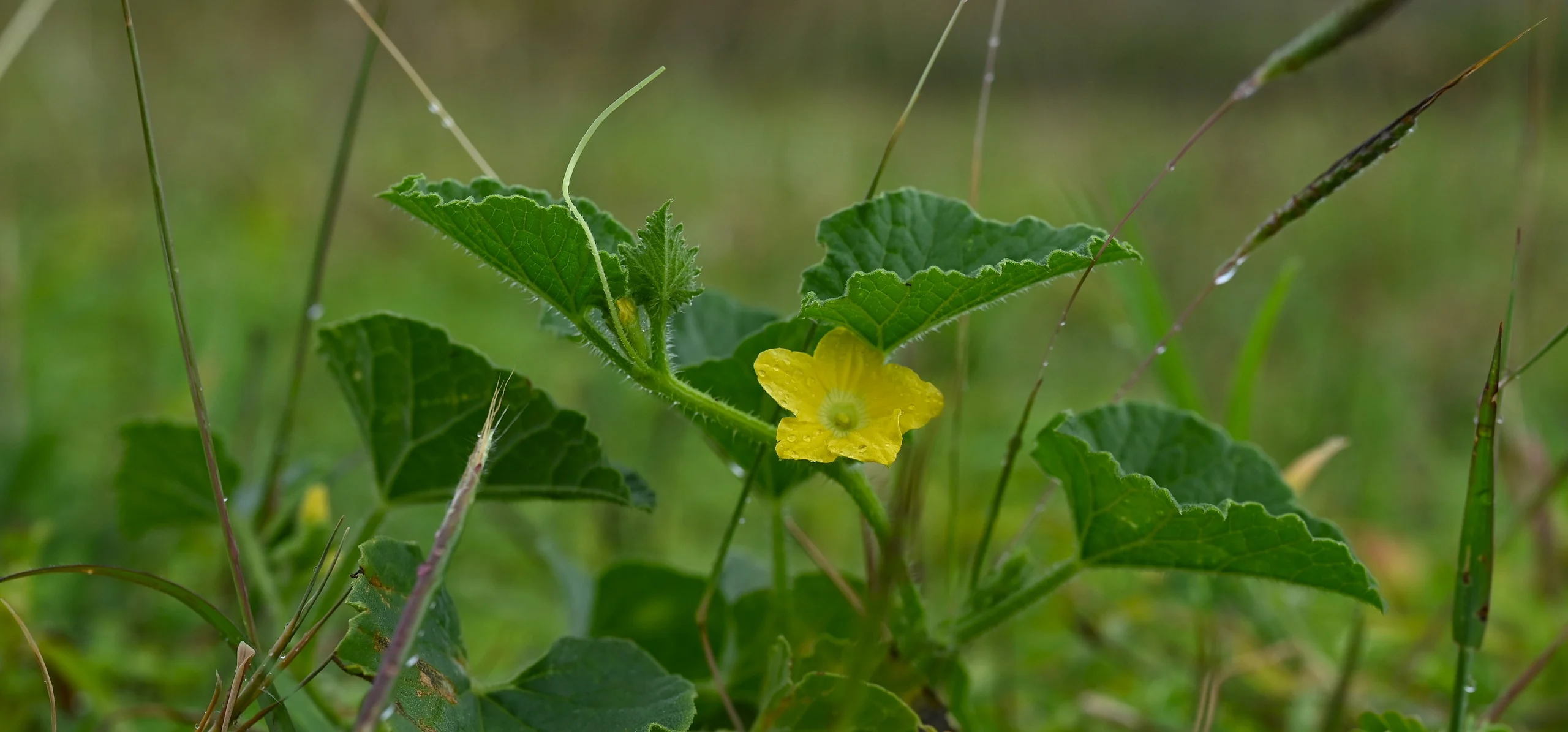
- Yellow flowers, male and female on the same plant; hand-pollinated under cover
- Propagation
- Seed
DormancyNone; a frost-tender annual killed outright by the first autumn frost
Time to maturity30-35 days from fruit set to harvest for cantaloupe types
Soil & climate
- Soil types
- rich, free-draining, fertile
- Drought tolerance
- No
Light & Placement
- Where to place it
- heated or unheated greenhouse
- polytunnel
- under cloches
- sunny sheltered bed
- against a warm wall in mild climates
- large container or growbag for compact varieties, trellised or left to trail
OriginEthiopia to South Africa, SW Syria to Arabian Peninsula and Indian Subcontinent, New Guinea to N & Central Australia
Safety
- Toxicity
- CatsSafe
- DogsSafe
- HorsesSafe
Invasive speciesNot invasive; a cultivated annual vine that does not persist outside cultivation.
Data fromGBIF: Cucumis melo L.Plants of the World Online (Kew): CucumiASPCA: Toxic and Non-Toxic Plants, True RHS: How to Grow MelonsClemson Cooperative Extension HGIC: Cant
Where it grows
World distribution
Melon is native to 28 countries: Afghanistan, Angola, Australia, Chad, Eritrea, Ethiopia, India, and Iran….GBIF records 39,285 documented identifications across 185 countries, with the largest concentrations in Spain, United States, and Australia.
- Afghanistan
- Angola
- Australia
- Chad
- Eritrea
- Ethiopia
- India
- Iran
- Iraq
- Kenya
- Lebanon
- Malawi
Show 16 more countriesShow fewer countries
- Mozambique
- Oman
- Pakistan
- Palestinian Territories
- Papua New Guinea
- Saudi Arabia
- Somalia
- South Africa
- Sri Lanka
- Sudan
- Tanzania
- Uganda
- United Arab Emirates
- Yemen
- Zambia
- Zimbabwe
Yellow to orange dots: concentration of documented identifications per country. Green countries: sourced native range. Source: GBIFNative range from POWO (Kew).
A melon seedling sown into an April pot does very little above the compost for its first fortnight, while below the surface a single taproot that resents being disturbed is trying to get established in the only home it will have until the whole rootball goes into open ground. Everything about growing Cucumis melo well follows from that one fact: raise it warm, move it once, and never let its roots be checked. Get the plant through that early stage and a single vine, under cover or against a warm wall outdoors, can carry three or four cantaloupe, Charentais, honeydew or Galia fruits to a genuinely sweet finish by late summer.
Cantaloupe, Charentais, Honeydew or Galia: Choosing a Type
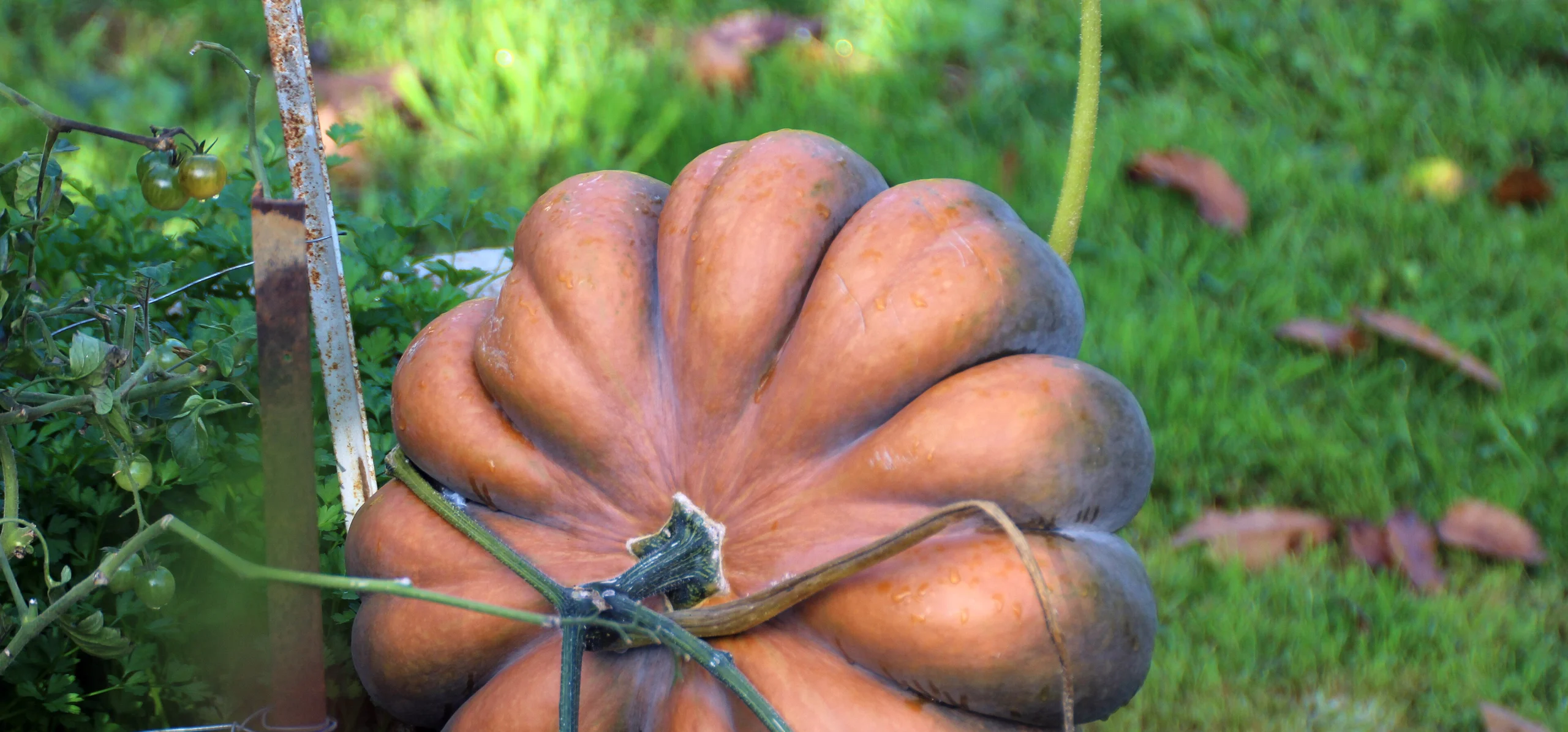
The netted, musk-scented melons sold as cantaloupe in most of the world (true cantaloupe, rough and warty-skinned, is grown mainly in Europe, according to Clemson Cooperative Extension) ripen with a strong aroma and separate cleanly from the stem when ready. Charentais is a smaller, deeply ribbed cantaloupe type bred for flavour over size. Honeydew and other winter melons carry smooth skin, stay firmer and less fragrant even at ripeness, and do not slip from the vine the way a cantaloupe does, so they are judged mostly by colour and a slight give at the blossom end. Galia is a cantaloupe-honeydew hybrid with netted skin and a strong aroma. In a short or cool season, a compact, early-maturing variety bred for pots and small plots is worth choosing over a large trailing type that may not ripen before autumn.
Sowing Indoors in Pots the Plant Never Leaves
The RHS recommends sowing melon seed in mid to late April, two seeds to a small pot at about 1.5cm (half an inch) deep, kept at 18-21°C (64-70°F) in a heated propagator; seedlings appear in about a week and grow fast once warm and in good light. Sow directly into individual pots rather than a seed tray: melon dislikes root disturbance, and the plant should go from that first pot straight into its final growing position without being pricked out in between. Once both seeds in a pot have germinated, remove the weaker seedling rather than trying to separate the two later.
Warming the Soil Before Planting Out
Melon is not planted out until all frost risk has passed and the ground itself has warmed, not just the air. The RHS suggests covering the bed with cloches or black plastic for one to three weeks beforehand to bring the soil up to temperature faster; the same black plastic, left in place as a mulch, also suppresses weeds, holds soil moisture and keeps the ripening fruit from sitting directly on damp earth. In a cool climate without a long, reliably warm summer, that is not enough on its own: the plant needs to spend its whole life under cloches, in a greenhouse or in a polytunnel, since outdoor melon crops rarely ripen well without that protection. Harden plants off in a coldframe or mini-greenhouse first, and keep cloches or crop covers handy for a cold snap after planting; the RHS spaces plants at least 90cm (3ft) apart if left to trail, or 45cm (18in) apart when trained up supports.


Site, Soil and Feeding
Melon wants full sun and rich, free-draining soil with plenty of organic matter worked in before planting; Clemson Cooperative Extension gives an optimum growing temperature of 65-75°F (18-24°C), well above what most other vegetables need. Feed with a liquid fertiliser every 10-14 days once flowering starts, per the RHS, and keep nitrogen modest: an overfed plant puts its energy into leaf and vine rather than fruit.
Pinching the Tip and Hand-Pollinating the Female Flowers
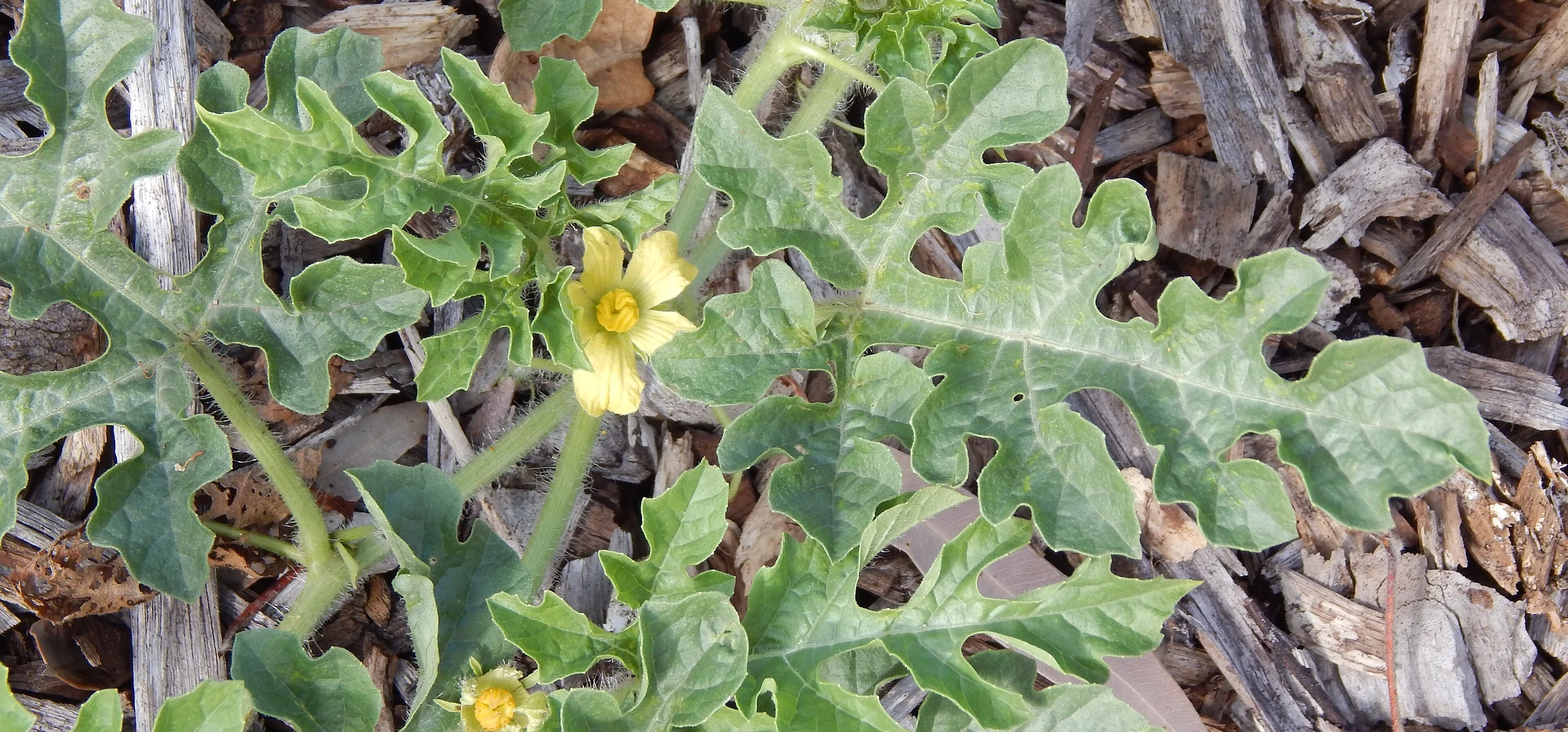
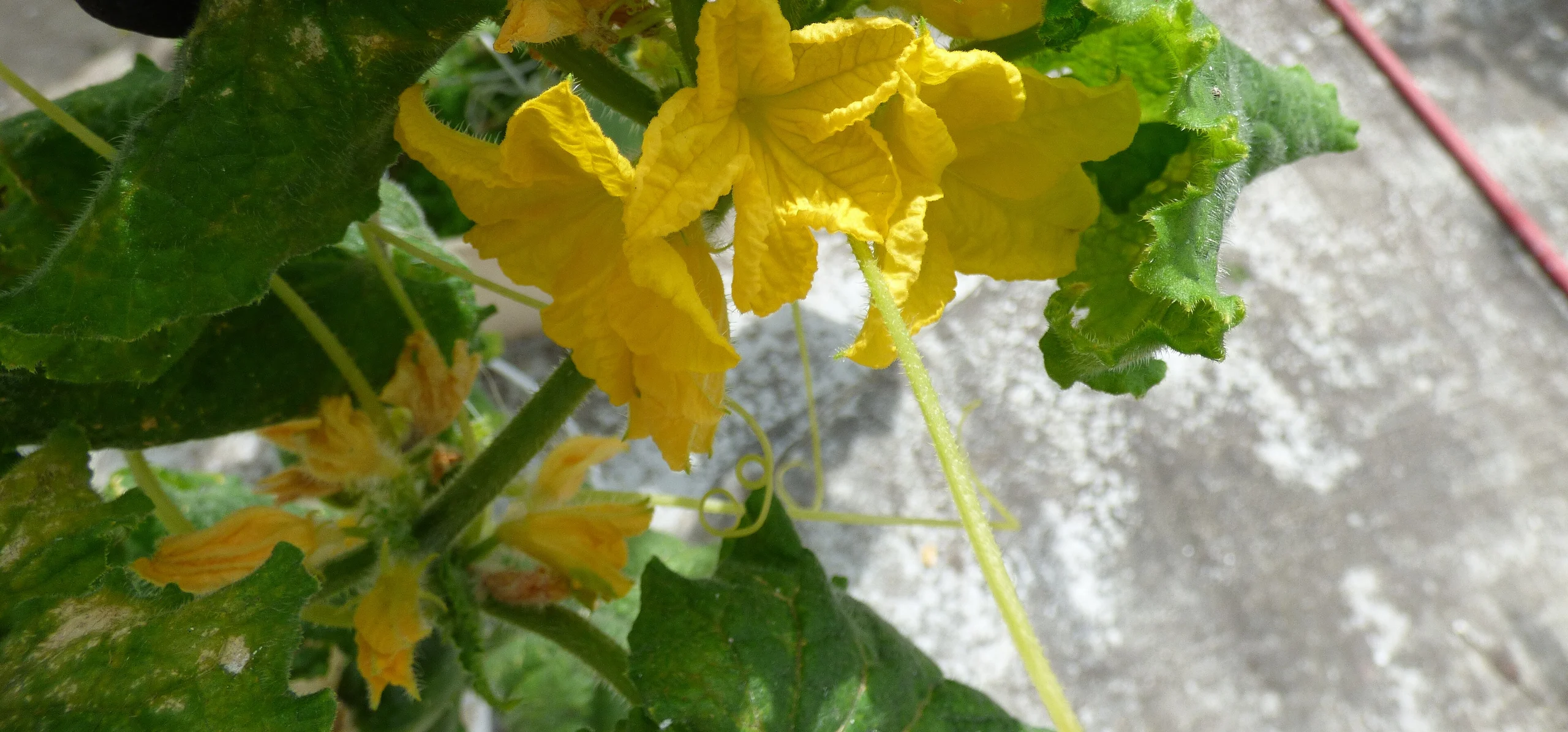
Left to its own devices, a melon plant runs one long stem with comparatively few side shoots, and it is the side shoots, not the main stem, that carry most of the female flowers. The RHS recommends pinching out the growing tip after the plant has made five leaves, which forces branching, and then pinching the tip of each resulting side shoot after its sixth leaf so the plant's energy goes into fruiting wood rather than endless new vine. Under glass, in a polytunnel or beneath cloches, there are usually too few pollinating insects to set fruit reliably, so hand-pollination becomes the grower's job: pick a fully open male flower, strip back the petals to expose the pollen-covered anthers, and press it into the centre of an open female flower, identifiable by the small swollen ovary sitting behind the petals. One male flower carries enough pollen for several females; a small paintbrush dabbed from flower to flower does the same job. Clemson Extension notes that poor fruit set outdoors is usually traced to too few bees visiting during the flowering weeks, so an outdoor plant is worth checking each morning for flower visits too.
Watering, Limiting and Supporting the Fruit
Water matters most right after fruit set: the RHS advises watering regularly and feeding at that stage, since melon plants are heavy water feeders through fruit development. From there the balance shifts. Clemson Extension is explicit that too much water during the final week before harvest reduces the sweetness of the fruit, so watering is eased back, not increased, as the melons near ripeness; irregular watering at any stage, a dry spell followed by a heavy soak, is what causes fruit to split. Most home-garden plants carry two to four fruits well; beyond that the plant rarely has the energy to ripen everything properly, so surplus fruit is better removed while still small. A melon swelling on a trellis needs a sling or a piece of netting tied to the frame, to take the weight off the stem and stop a heavy fruit tearing free before it is ripe.
Harvest Cues: Slip, Scent and Colour
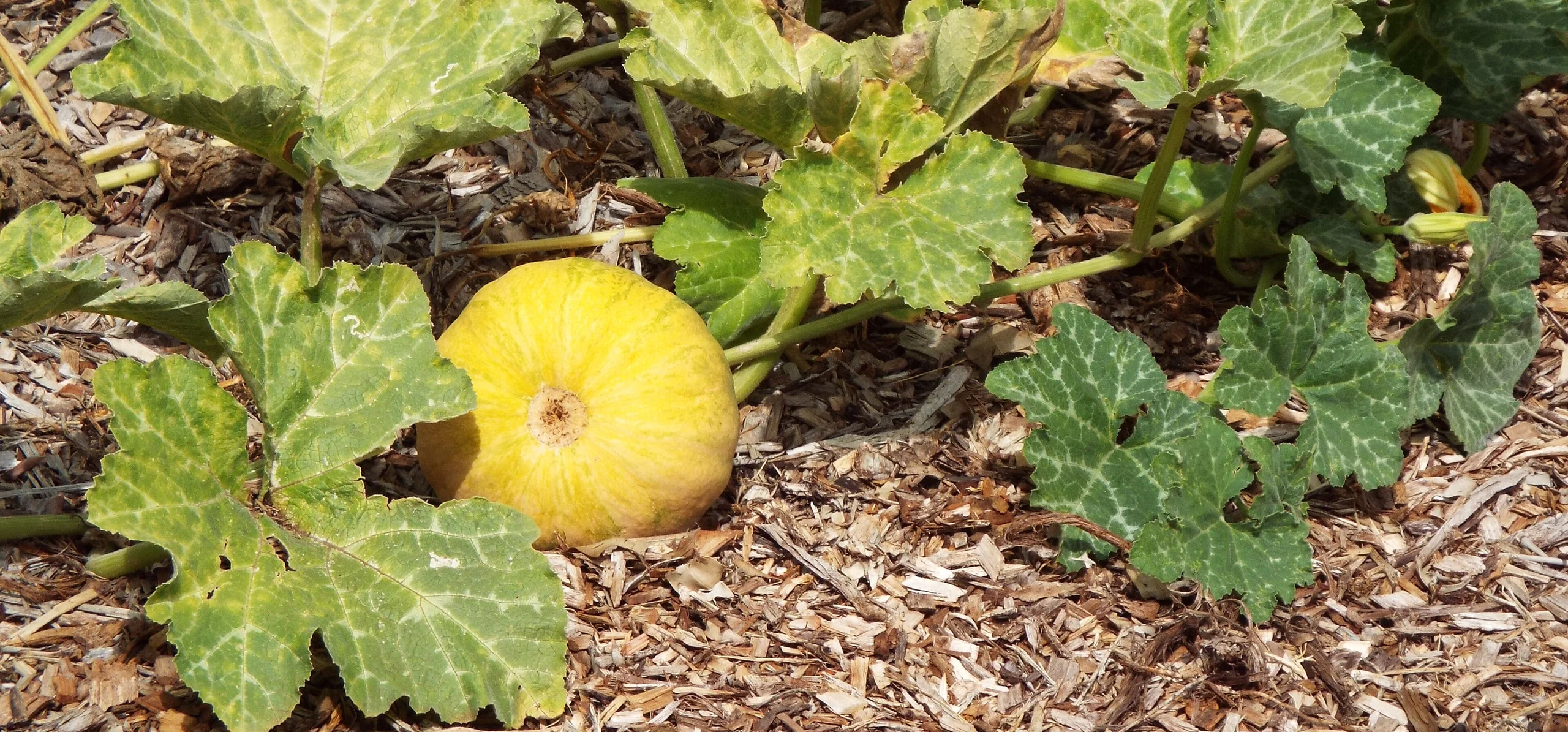
Cantaloupe types are ready roughly 30-35 days after the fruit sets, per Clemson Extension, and honeydew a little longer. The clearest sign on a cantaloupe or Galia is full slip: the stem separates cleanly from the fruit with light pressure, at which point sugar development has peaked and the melon should be eaten or chilled promptly rather than left to sit. The RHS gives the same two cues in different words: a ripe melon develops its characteristic sweet fragrance and the stalk begins to crack near the fruit. Honeydew and other smooth-skinned winter melons do not slip the same way, so a change in rind colour, from green toward cream or pale yellow, and a slight softening at the blossom end are the better guides for those types.
Pests and Diseases: Powdery Mildew, Fusarium Wilt and More
Fusarium wilt is the disease to plan around before symptoms ever appear: it is soil-borne, there is no cure once a plant is infected, and Clemson Extension recommends choosing resistant varieties and avoiding cucurbit beds that grew melon, cucumber or squash in the previous two years. Powdery mildew shows as white powdery patches on the upper leaf surface, worse in humid conditions with dry foliage, and resistant varieties again help; good spacing and morning watering that lets leaves dry by evening reduce the risk further. Cucumber mosaic virus causes mottled, distorted, stunted growth with no chemical treatment; the melon aphid is one of its main carriers, so keeping aphid numbers down on new growth matters as much as removing an infected plant promptly. Red spider mite mottles and can defoliate plants grown under cover in a hot, dry summer. Slugs damage young transplants badly enough to need protection in the first few weeks, though established vines shrug off the same feeding.
Test your plant knowledge
Tap a card to flip it and reveal the answer.
Melon seed should be sown directly into individual pots rather than a seed tray, because the plant dislikes having its roots disturbed. Tap to reveal ✓ True
Pinching out the growing tip after the fifth leaf forces branching, and it is those side shoots that carry most of the female flowers. Tap to reveal ✓ True
Watering heavily during the final week before harvest gives the sweetest fruit. Tap to reveal ✕ False
Melon flowers grown in a greenhouse, polytunnel or under cloches usually need to be hand-pollinated. Tap to reveal ✓ True
Once a melon plant shows symptoms of Fusarium wilt, a fungicide treatment will cure it. Tap to reveal ✕ False
Sources
References consulted for this guide
- GBIF: Cucumis melo L.gbif.org
- Plants of the World Online (Kew): Cucumis melo L.powo.science.kew.org
- ASPCA: Toxic and Non-Toxic Plants, True Cantaloupeaspca.org
- RHS: How to Grow Melonsrhs.org.uk
- Clemson Cooperative Extension HGIC: Cantaloupe & Honeydew Melonshgic.clemson.edu
- Reference entity : Wikipédiaen.wikipedia.org