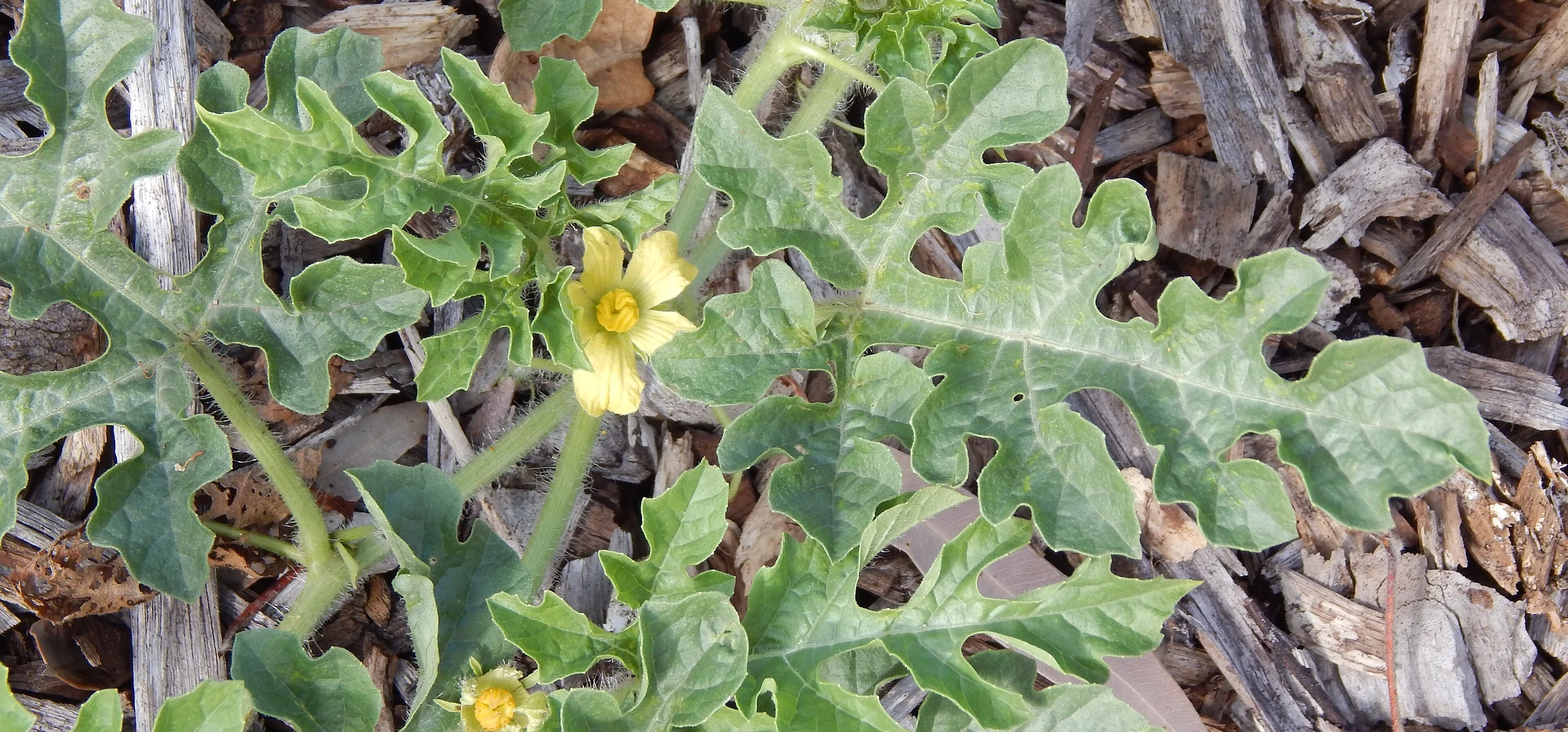
Watermelon
Citrullus lanatus
Family · Cucurbitaceae
Watermelon needs warm soil, full sun and steady water at fruit set, then a dull skin, dried tendril and cream ground spot to tell you it is ripe.
Citrullus lanatus
Plant profile
- WateringHighWater every 7 days
- Light exposureFull sun
- Ideal temperature18–35 °C
Growth
- Family
- Cucurbitaceae
- Life cycle
- Annual
- Growth speed
- 7/10
- Mature size
- Sprawling annual vine, trailing 5-10 ft (1.5-3 m)
- Spread
- 150–300 cm
- Flowering
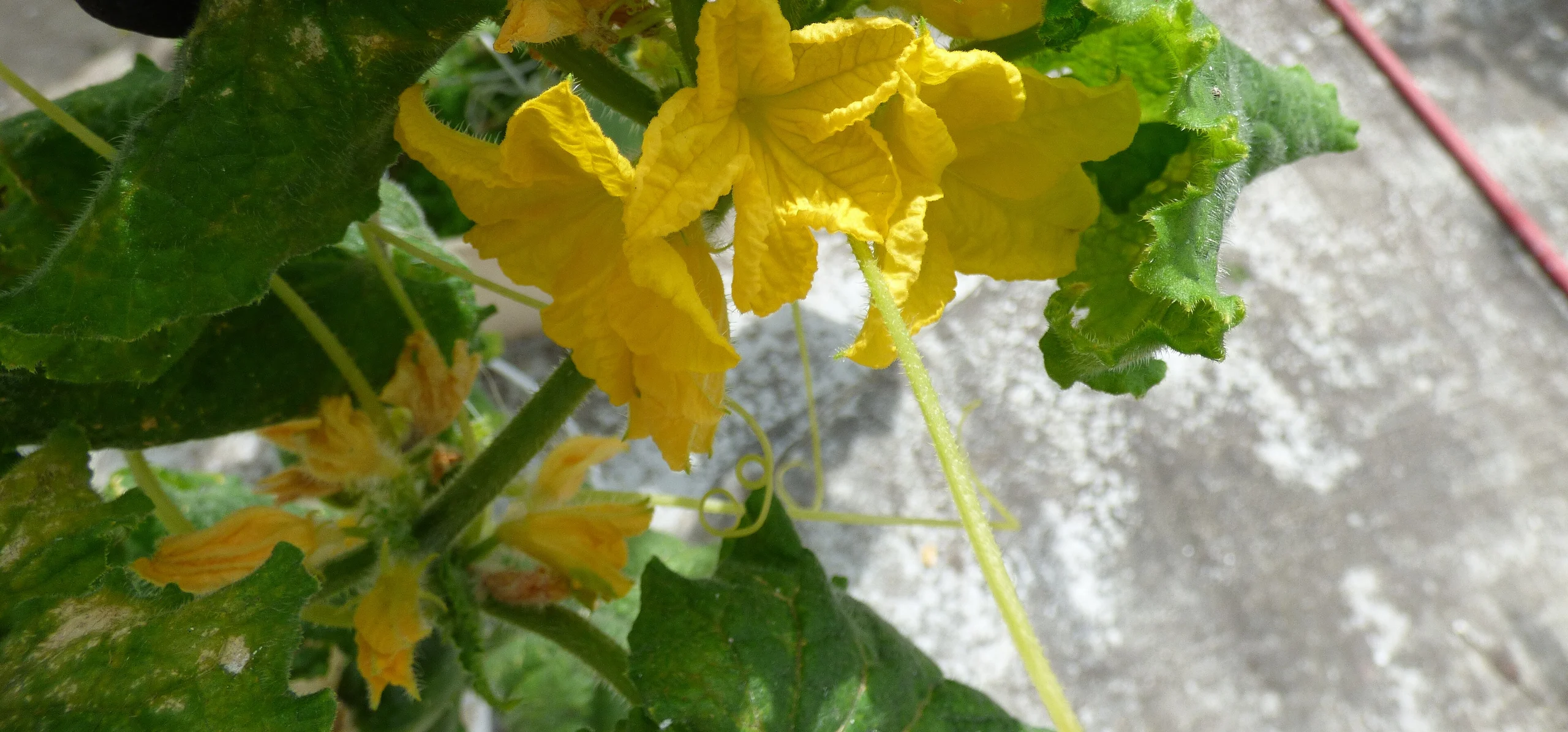
- Yellow male and female flowers on the same plant; bee pollinated
- Propagation
- Seed
DormancyNone; a frost-tender annual killed by the first freeze
Time to maturity85-90 days from transplant to first fruit; about 35 days from fruit set to ripening
Soil & climate
- Soil pH
- pH 5.8–6.6
- Soil types
- Sandy loam, Fertile, Well-drained
- Drought tolerance
- No
Light & Placement
- Origin
- E. Sahara, North Africa
- Where to place it
- Sunny vegetable garden
- Mounded hills with room to trail
- Black plastic mulched bed
- Large container or grow bag for bush and icebox varieties
Safety
- Toxicity
- Not evaluated by ASPCA
Invasive speciesNot invasive; a cultivated annual crop that does not persist outside gardens.
Data fromGBIF: Citrullus lanatus (Thunb.) Matsum.Plants of the World Online (Kew): CitrulClemson Cooperative Extension HGIC: WatePenn State Extension: Watermelon ProductIowa State University Extension: Growing
Where it grows
World distribution
Watermelon is native to 4 countries: Egypt, Ethiopia, Libya, and Sudan.GBIF records 27,684 documented identifications across 205 countries, with the largest concentrations in United States, Spain, and Afghanistan.
- Egypt
- Ethiopia
- Libya
- Sudan
Yellow to orange dots: concentration of documented identifications per country. Green countries: sourced native range. Source: GBIFNative range from POWO (Kew).
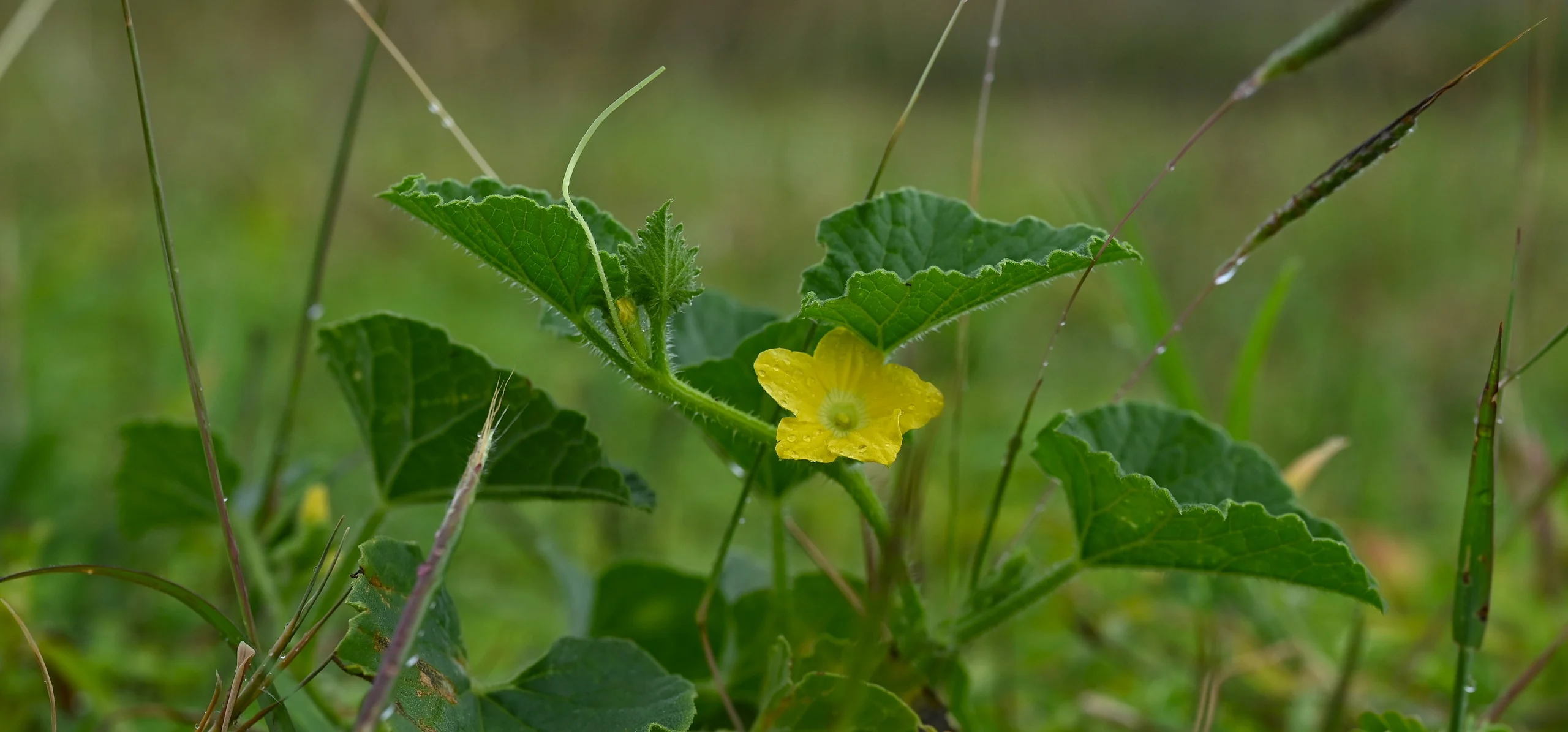
A watermelon vine sown into warm soil in late spring does nothing dramatic for its first two or three weeks, then suddenly runs six to ten feet of stem across open ground while the gardener is looking elsewhere. Citrullus lanatus is not fussy about soil richness, but it is strict about two things: heat and space. Give the roots warm ground from the start and the vine room to sprawl, and a single plant can carry two or three ripe melons to harvest by late summer.
Choosing a Variety: Seeded, Seedless or Icebox
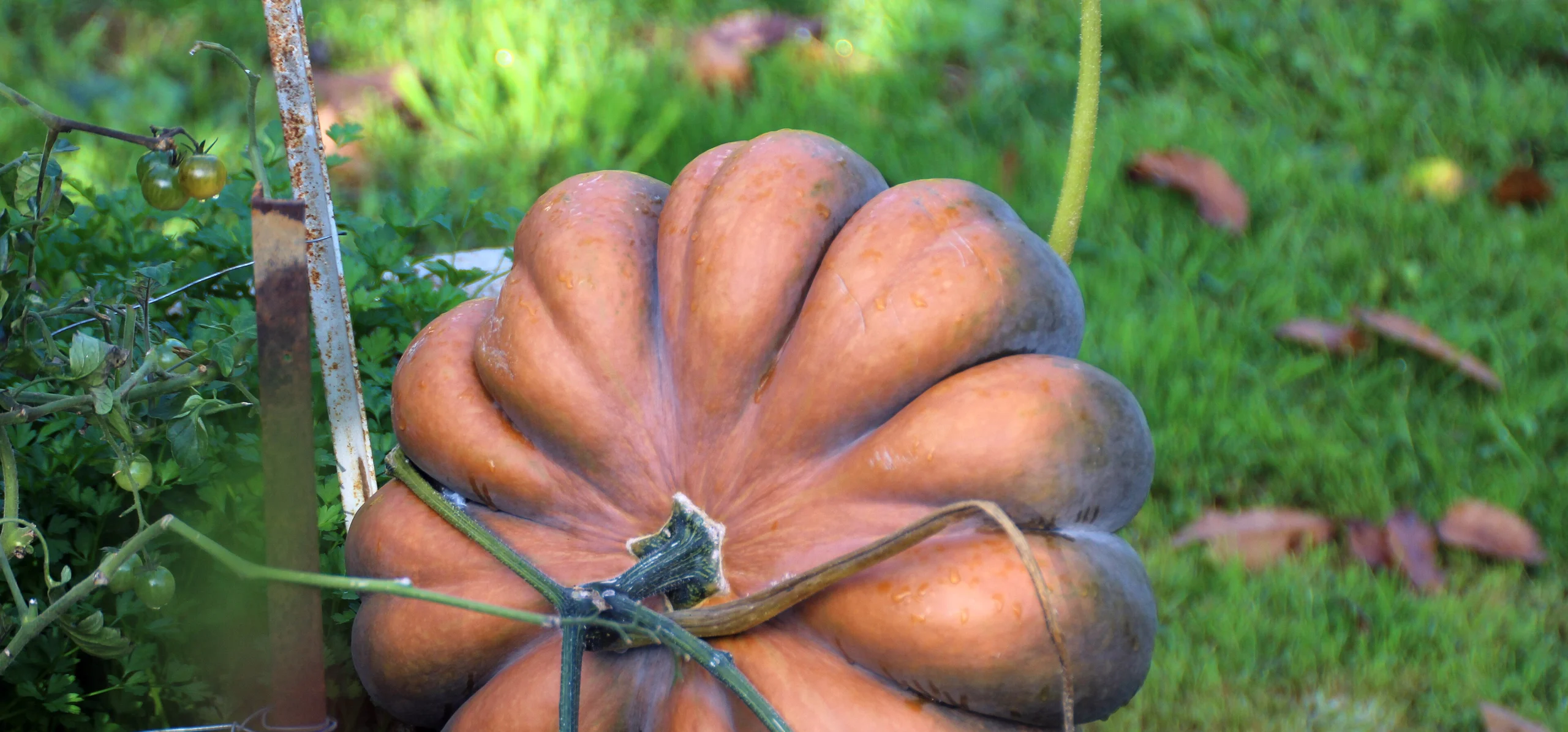
Full sized seeded types, the classic picnic melon, carry mature fruit weighing anywhere from a few kilograms to well over 20 kg and need the most room to trail. Seedless varieties are sterile triploid hybrids: they will not set fruit on their own and need a diploid seeded variety planted nearby as a pollen source, plus considerably more bee activity to pollinate well, roughly 21 flower visits against about 8 for a seeded type, per Clemson Cooperative Extension. Icebox and mini varieties, bred for compact vines and single serving fruit under about 4 kg, suit a small plot or a large container far better than a sprawling full sized type. In a short growing season, an early, smaller fruited variety is the safer choice over a large one that may not finish ripening before autumn.
Site, Soil and Warming the Ground
Watermelon wants full sun, at least six hours of direct light a day, and fertile, well drained soil with a pH around 5.8 to 6.6, according to Penn State Extension. Heavy clay or poorly drained ground invites root and fruit disease, so working in compost before planting pays off. The ground itself has to warm before the vine will grow: Penn State Extension puts the minimum soil temperature for transplanting at 60°F, about 16°C, measured a few inches down, and Iowa State University Extension gives the same figure for direct sowing. Black plastic mulch laid over the bed a week or two before planting brings the soil up to temperature faster, suppresses weeds and keeps the ripening fruit off damp earth.
Sowing, Spacing and Transplanting
Sow seed about 2.5 cm (1 inch) deep once the soil has warmed, two or three seeds per hill, then thin to the strongest one or two seedlings once they are established, following Iowa State University Extension's spacing of hills 2 to 3 feet apart in rows 6 to 8 feet apart. Clemson Cooperative Extension recommends a similar 5 to 6 feet between plants within the row for full sized vining types; a compact bush variety can be planted considerably closer. Starting seed indoors 3 to 4 weeks ahead in individual pots and transplanting once the risk of frost has passed gets a head start in a cool climate, but watermelon resents root disturbance, so seedlings should move to their final bed without their roots being broken apart.


Watering Through the Season
A watermelon fruit is roughly 92 percent water by weight, per Clemson Cooperative Extension, and most of the plant's roots stay in the top 12 inches of soil, so consistent moisture there matters through the whole growing season. Iowa State University Extension recommends 1 to 2 inches of water a week during dry weather, delivered at the soil rather than over the foliage, since wet leaves invite fungal disease. As the fruit nears ripeness, both extensions agree the amount should drop rather than rise: Iowa State suggests roughly halving the normal amount in the final stretch, and Penn State Extension notes that excess water during maturation can crack the fruit and dilute its quality. Drip irrigation is the preferred method for exactly this reason, since it waters the root zone precisely without wetting the vine.
Pollination: Why Bee Visits Matter
Citrullus lanatus is monoecious, producing separate male and female flowers on the same vine, and a female flower is only receptive for a single day, per Iowa State University Extension. Pollen has to be carried from a male flower to a female one, almost always by bees, and the number of visits determines fruit shape as much as fruit set: Clemson Cooperative Extension reports that a seeded variety needs about 8 bee visits per flower for a well formed melon, while a seedless triploid needs roughly 21, plus a seeded pollenizer variety planted nearby to supply the pollen. Cool, rainy or windy weather during flowering cuts bee activity and is the most common reason home gardeners get lopsided or poorly filled fruit. Avoiding insecticide sprays while the vine is in flower protects the very pollinators the crop depends on.
Reading the Ripeness Signs
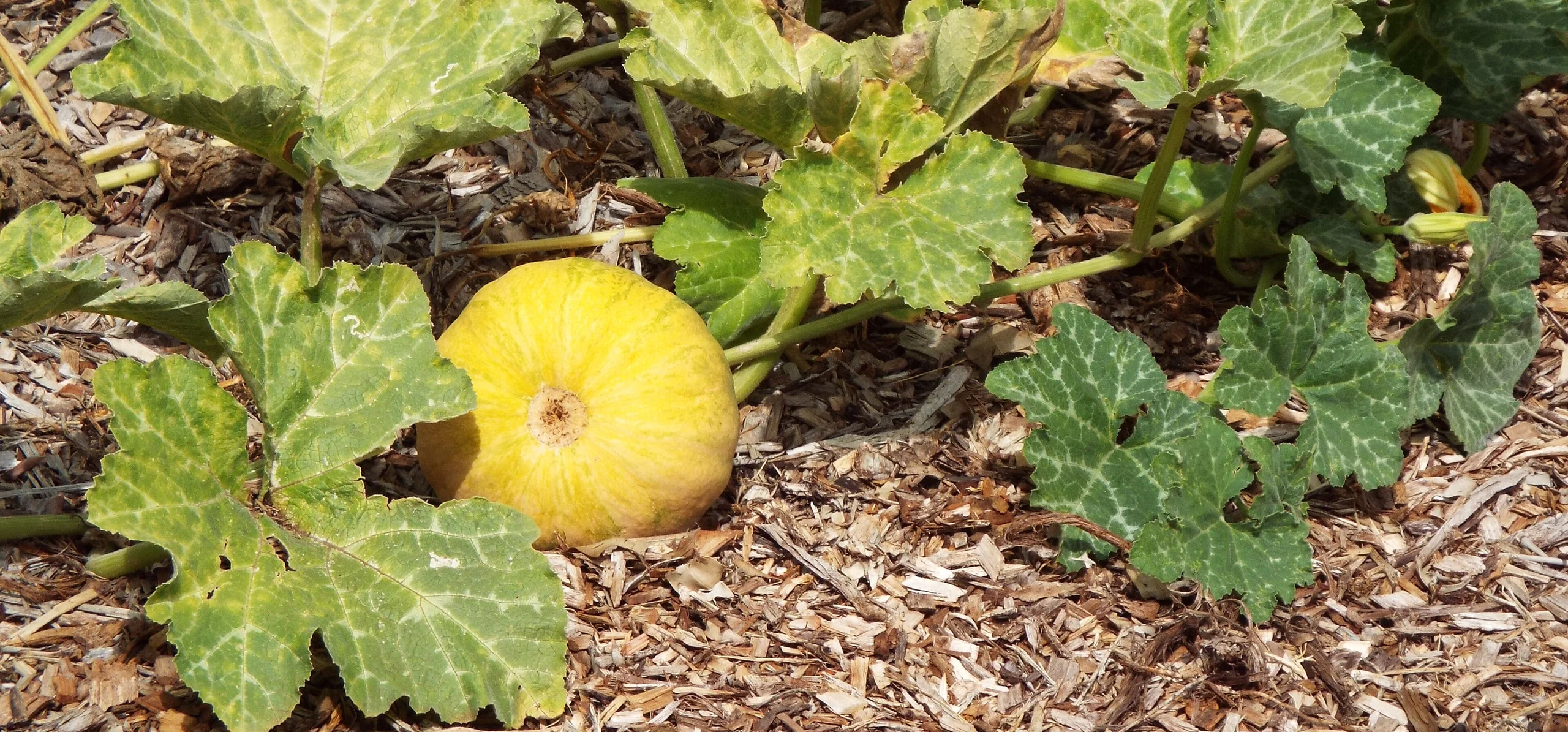
Unlike a cantaloupe, a ripe watermelon does not slip cleanly from the vine, so harvest timing rests on three visual cues rather than one mechanical one. Iowa State University Extension lists the ground spot, the patch of rind resting on the soil, turning from greenish white to a buttery yellow or cream; the curly tendril nearest the fruit stem browning and drying, usually 7 to 10 days ahead of full ripeness; and the skin itself losing its shiny, slick look for a duller finish. Clemson Cooperative Extension adds that fruit is generally ready 85 to 90 days after transplanting, with about 35 days between fruit set and ripening. The classic thump test is the least reliable of the bunch: a ripe melon gives a dull, hollow sound rather than a clear ring, but that difference is easy to mistake without practice, so it is worth using alongside the other three signs, not instead of them.
Pests and Diseases
Cucumber beetles are the pest to watch hardest for, especially while seedlings are small, since they feed directly on young leaves and can spread bacterial wilt as they go, a threat both Iowa State University Extension and Penn State Extension flag as serious. Aphids and squash bugs follow through the season, and both extensions also list mites among the regular culprits. On the disease side, powdery mildew, downy mildew and gummy stem blight are the fungal problems most likely to show up on the foliage, while bacterial fruit blotch causes water soaked lesions directly on the rind. None of these have a cure once established, so resistant varieties, crop rotation away from other cucurbits, and keeping foliage dry through soil level watering are the real prevention.
Common Mistakes
The single biggest mistake is planting too early: cold soil stalls germination, and a late frost, even a mild one, severely damages the crop, according to Penn State Extension, so it pays to wait for warm ground rather than an early calendar date. The second is crowding: a full sized vining variety given less space than the 5 to 8 feet extensions recommend competes with itself for light and air movement, which worsens mildew. The third is judging ripeness by sound alone, since a confident thump on an unripe melon is easy to mistake for a ready one; checking the ground spot and tendril alongside it avoids cutting into fruit too soon. Last, heavy watering in the final couple of weeks before harvest, done with good intentions, is what most often cracks the fruit and dilutes the sugar the whole season built up.
Test your plant knowledge
Tap a card to flip it and reveal the answer.
Watermelon needs full sun, at least six hours of direct sunlight a day, to grow and fruit well. Tap to reveal ✓ True
A ripe watermelon slips cleanly off the vine with a light twist, the same way a ripe cantaloupe does. Tap to reveal ✕ False
Watering heavily in the two weeks before harvest gives a sweeter, better watermelon. Tap to reveal ✕ False
Seeded watermelon varieties typically need fewer bee visits per flower to set fruit well than seedless triploid varieties. Tap to reveal ✓ True
A mild, light frost has little effect on watermelon plants. Tap to reveal ✕ False
Sources
References consulted for this guide
- GBIF: Citrullus lanatus (Thunb.) Matsum. & Nakaigbif.org
- Plants of the World Online (Kew): Citrullus lanatus (Thunb.) Matsum. & Nakaipowo.science.kew.org
- Clemson Cooperative Extension HGIC: Watermelonshgic.clemson.edu
- Penn State Extension: Watermelon Productionextension.psu.edu
- Iowa State University Extension: Growing Watermelon in the Home Gardenyardandgarden.extension.iastate.edu
- Reference entity : Wikipédiaen.wikipedia.org