Fortune's Spindle
Euonymus fortunei
Family · Celastraceae
Fortune's spindle stays a low variegated mat until it meets a wall, then climbs on aerial roots: cultivars, hardiness, pruning and invasive spread in US woods.
Euonymus fortunei
Plant profile
- WateringLittleWater every 10 days
- Light exposureIndirect light
- Hardiness zoneUSDA 4–9
Growth
- Family
- Celastraceae
- Life cycle
- Perennial
- Growth speed
- 6/10
- Mature size
- 15–180 cm
- Spread
- 60–600 cm
- Propagation
- Cutting
- Layering
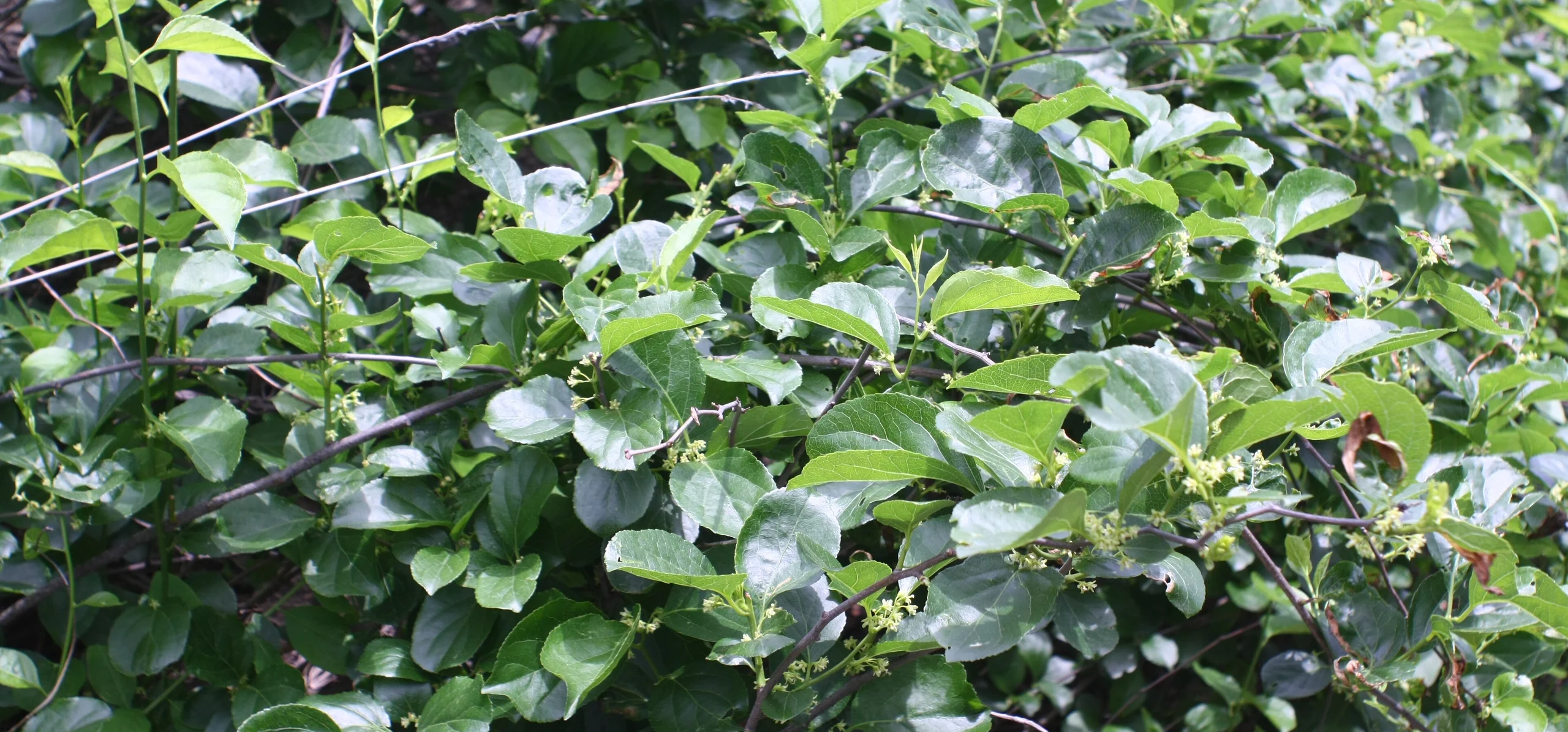
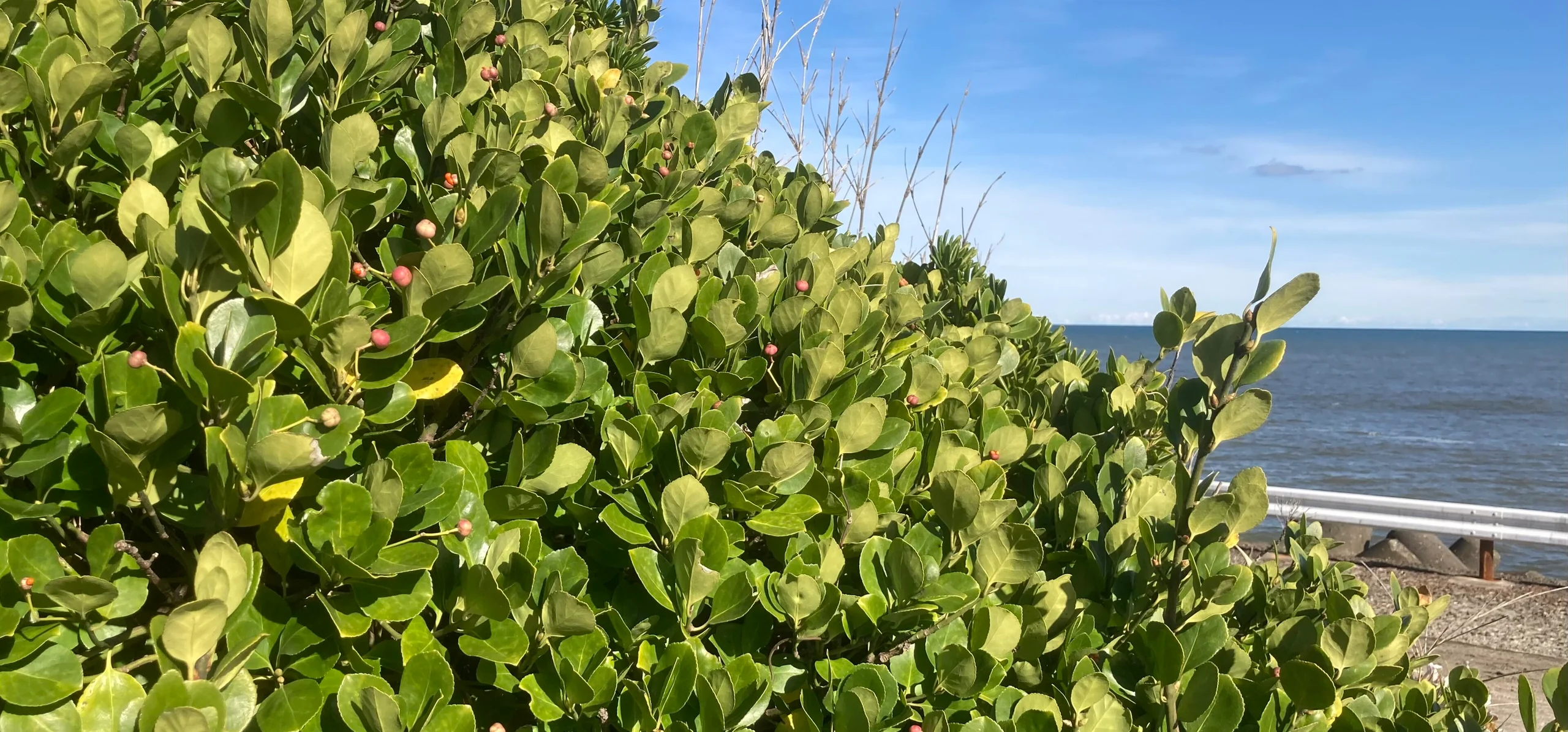
FloweringSmall greenish flowers and pinkish-red capsules with an orange-aril seed form only on the mature, climbing adult growth, not on the low juvenile mat
DormancyEvergreen to semi-evergreen; Missouri Botanical Garden and NC State Extension both record the foliage persisting through winter rather than dying back
Soil & climate
- Soil types
- clay, loam, sand, gravel
- Drought tolerance
- Yes
Light & Placement
- Origin
- Native from the E. Himalaya to temperate E. Asia and W. and Central Malesia (POWO)
- Where to place it
- low hedge or edging in sun to part shade
- clipped groundcover on a shaded bank under deciduous trees
- trained against a wall, fence or trunk where it self-clings by aerial roots
Safety
- Pet safe
- No
ToxicityNot listed by the ASPCA; related species such as spindle tree and burning bush are listed as toxic to cats, dogs and horses
Invasive speciesNC State Extension lists it as invasive in North Carolina and other southeastern and northeastern US states: the climbing adult form flowers and fruits, birds spread the berries into new woodland, and it can dominate medium-sized trees once established on them
Data fromGBIF: Euonymus fortunei (Turcz.) Hand.-MPOWO: Euonymus fortunei (Turcz.) Hand.-MRHS: Euonymus fortunei (winter creeper)NC State Extension Gardener Plant ToolboMissouri Botanical Garden Plant Finder:
Where it grows
World distribution
Fortune's Spindle is native to 12 countries: Bhutan, China, India, Indonesia, Japan, Laos, Myanmar (Burma), and Philippines….GBIF records 39,721 documented identifications across 54 countries, with the largest concentrations in United States, United Kingdom, and Germany.
- Bhutan
- China
- India
- Indonesia
- Japan
- Laos
- Myanmar (Burma)
- Philippines
- South Korea
- Taiwan
- Thailand
- Vietnam
Yellow to orange dots: concentration of documented identifications per country. Green countries: sourced native range. Source: GBIFNative range from POWO (Kew).
Two Plants in One: A Groundcover Until It Meets a Wall
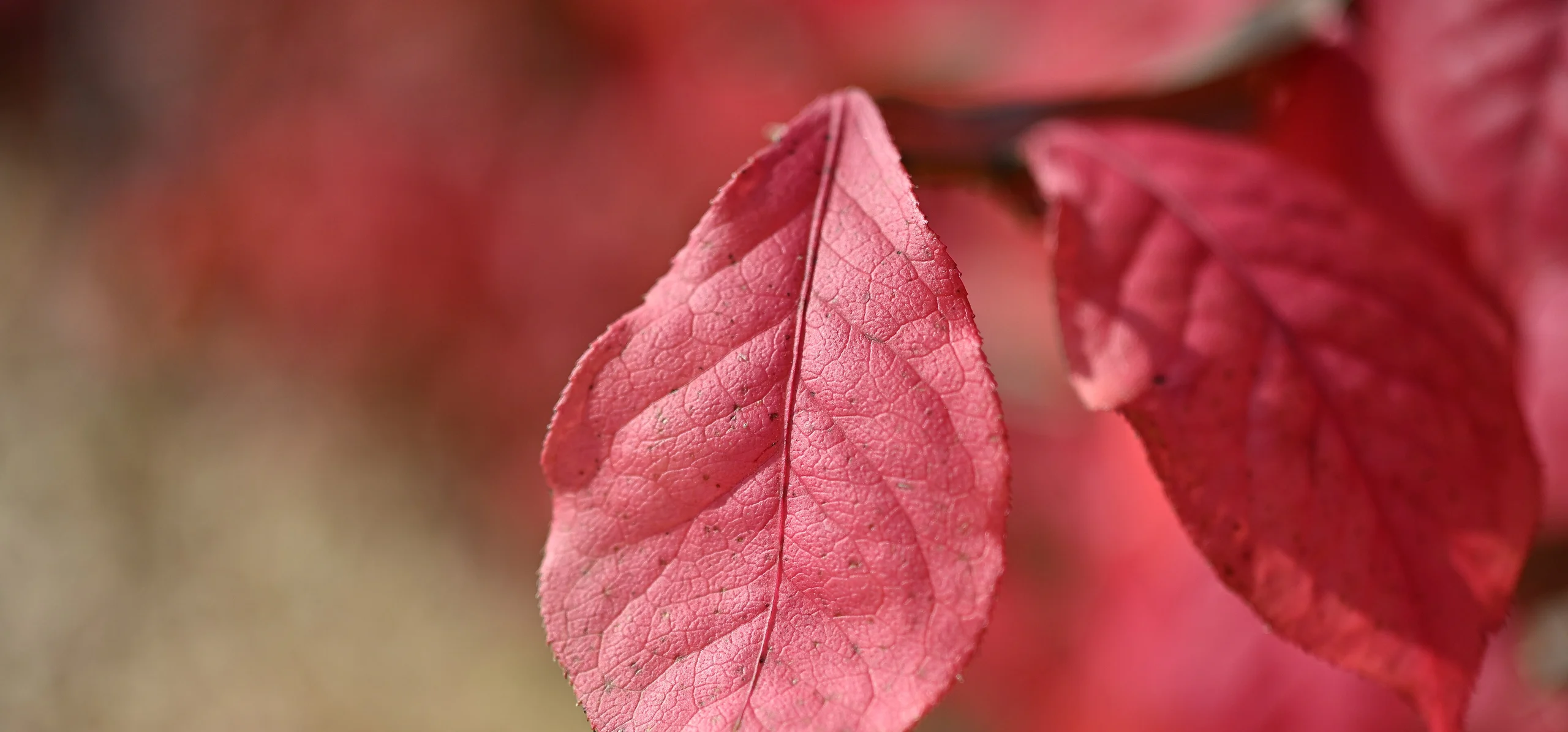
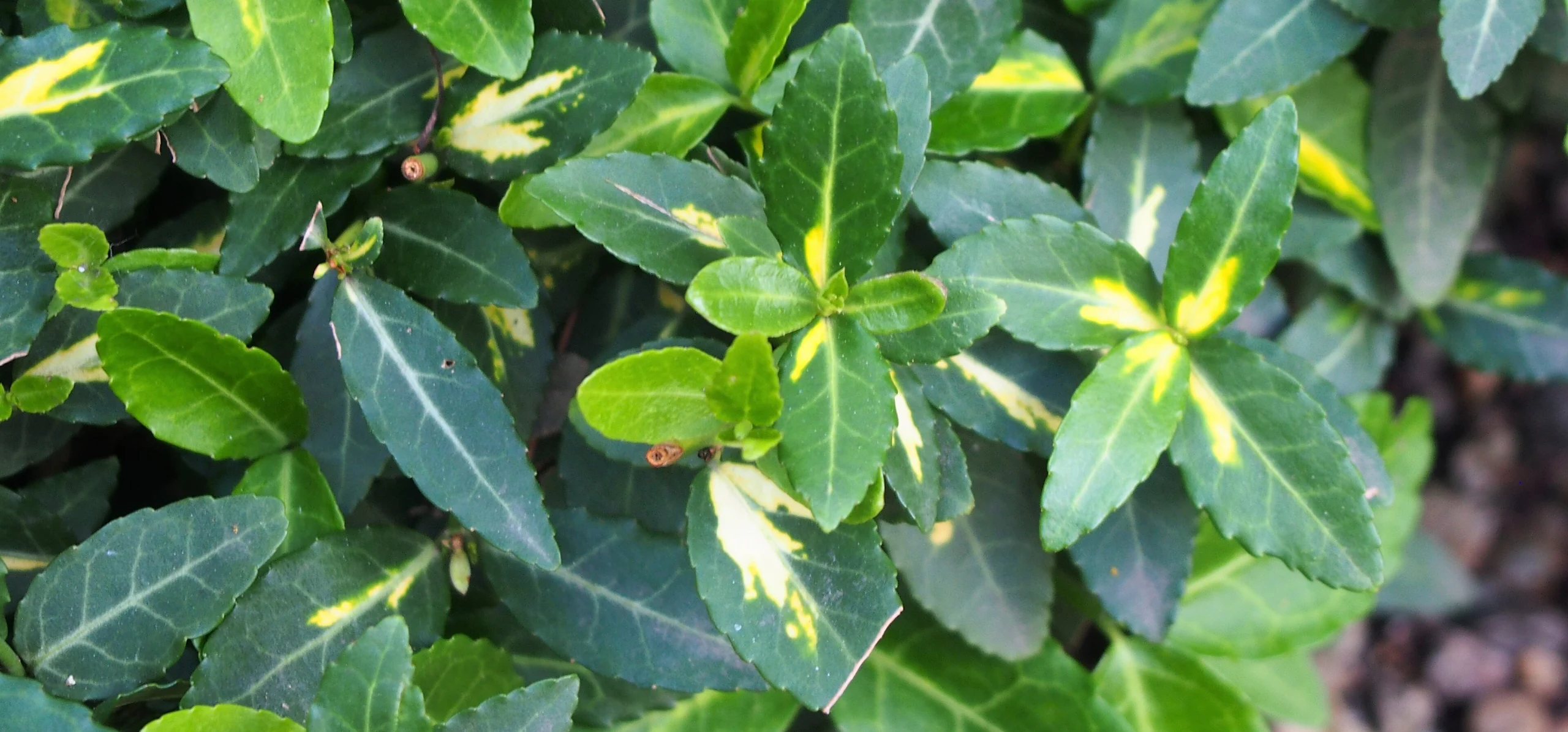
Glossy leaves splashed white, gold or plain green, lying flat as a groundcover in a shaded bed, do not tell the whole story of what this plant can become. GBIF records the accepted name as Euonymus fortunei (Turcz.) Hand.-Mazz., in the spindle family Celastraceae alongside the more familiar hedging euonymus species. Left to run along the ground it stays a low, rooting mat that never flowers; the moment a stem reaches a wall, fence, tree trunk or any vertical surface, it switches to a climbing adult form, gripping on with aerial rootlets much the way English ivy does, and only that adult form ever flowers or fruits. Most garden plants sold as 'Emerald Gaiety' or 'Emerald 'n' Gold' are still in the low, non-flowering juvenile stage, which is also the stage most gardeners actually want for edging and ground cover.
Choosing a Cultivar: 'Emerald Gaiety', 'Emerald 'n' Gold' and the Plain Species
'Emerald Gaiety' carries white-margined green leaves that pick up a pink flush in cold weather, and NC State Extension records it reaching 3 to 6 feet tall and 3 to 5 feet wide as a mounding shrub once given years to build height, rather than staying a flat mat. 'Emerald 'n' Gold' instead has a gold-edged leaf, tends to stay lower, and spreads as a dense, sprawling mat, which is why it is grown as pure ground cover more often than as a shrub. Plain green, unvariegated wintercreeper is the more vigorous climbing form most responsible for the invasive stands described further down; the named variegated cultivars still climb given a support, but they are grown and sold for the leaf pattern rather than for sheer vigor.
Light, Placement and Hardiness
NC State Extension rates the species from full sun to medium shade and notes it tolerates heavy shade as well, a range wide enough to place it under deciduous shrubs, along a north-facing wall, or in a sunnier bed without much changing the planting decision. What does change with less light is the ratio of variegation to green, since deeper shade fades gold or white leaf margins back toward plain green over time. NC State Extension lists it hardy across USDA zones 4a to 9b, and the RHS separately rates named cultivars H6, hardy through UK winters down to about -20°C. As a wall or tree climber it can run to far greater heights than it reaches as a free-standing shrub: NC State Extension records the vine reaching over 60 feet up a mature tree once nothing stops it climbing toward the light.


Soil and Watering
Missouri Botanical Garden lists it as easily grown in average, medium-moisture, well-drained soil in full sun to part shade, tolerant of clay, loam or sand and of acid, neutral or mildly alkaline pH, with the one condition it will not forgive being permanently wet ground. NC State Extension adds gravelly and clay-loam sites to that tolerance list and confirms the pH range runs from acid through alkaline. New plantings need regular water through their first year while roots establish; once established, the plant copes with the dry-mesic conditions NC State Extension records for it, which makes overwatering a mature planting a more common mistake than letting it run dry.
Pruning: Stopping the Variegation From Reverting to Green
A branch of an 'Emerald Gaiety' or 'Emerald 'n' Gold' plant that suddenly throws out plain green leaves has reverted, and because green foliage carries more chlorophyll than variegated foliage, a reverted shoot grows faster than the rest of the plant and will eventually dominate it if left alone. The RHS growing guide for the genus recommends cutting the green shoot right back to where it joins a main branch or the base of the plant, not just trimming its tip, as soon as it appears. The RHS also recommends tip-pruning young plants in mid to late spring to build a bushy habit, with shaping cuts in late winter or early spring before new growth starts, timing that also removes any winter-damaged tips before they can spread disease into fresh wood.
Euonymus Scale and Crown Gall: The Two Problems to Watch
NC State Extension names scale as the main insect problem on this species, alongside occasional aphids and winter leaf burn; a light dusting of white or yellow flecking on leaves that thickens into a crusty white coating on stems is euonymus scale, and heavy infestations cause premature leaf drop and branch dieback. On the disease side, NC State Extension lists crown gall along with anthracnose and powdery mildew, and crown gall is the more serious of the two: it is caused by the soil bacterium Agrobacterium tumefaciens, which enters through wounds from pruning, transplanting or animal damage and raises swollen galls on stems, roots and the crown that reduce vigor permanently, with no cure once a plant is infected. Cleaning pruning tools between plants and avoiding wounding the base while weeding around the crown are the only real prevention, since removal after infection only slows the decline rather than stopping it.
An Invasive Vine in Eastern US Woodlands, and How to Remove It
NC State Extension lists climbing euonymus as invasive in North Carolina and in other states across the southeast and northeast, and explains why the climbing habit itself is the driver: only the adult, climbing form flowers and fruits, and once a vine reaches enough light climbing a tree trunk, birds eat the berries and carry the seeds into new patches of forest, letting the species jump well beyond any garden bed it was planted in. In the woods it forms a dense evergreen mat that can outcompete native spring ephemerals for light before deciduous trees leaf out, and NC State Extension notes it has no trouble dominating medium-sized trees once it starts climbing them. Because stems root wherever they touch moist soil and put out fresh aerial rootlets wherever they touch bark, removal has to be thorough: cut climbing stems at the base first to stop them feeding the canopy growth, then dig or pull the ground mat, tracing and lifting every rooted runner rather than just the visible top growth, since any rooted node left behind restarts the patch. The ASPCA has no dedicated listing for Euonymus fortunei itself, though several relatives it does list, spindle tree (Euonymus atropurpurea), wahoo (Euonymus occidentalis) and burning bush (Euonymus alata), are recorded as toxic to cats, dogs and horses, reason enough to keep the berries away from pets even without a species-specific listing.
Test your plant knowledge
Tap a card to flip it and reveal the answer.
A plant sold as low, flat 'Emerald Gaiety' ground cover can turn into a climbing vine if it reaches a wall or tree trunk. Tap to reveal ✓ True
Deep shade makes the gold or white variegation on cultivars like 'Emerald 'n' Gold' more vivid. Tap to reveal ✕ False
The ASPCA lists Euonymus fortunei itself as toxic to cats and dogs. Tap to reveal ✕ False
Once wintercreeper starts climbing a tree, birds can spread its berries into new areas of forest. Tap to reveal ✓ True
Crown gall on euonymus can be cured with a fungicide once the swollen galls appear. Tap to reveal ✕ False
Sources
References consulted for this guide
- GBIF: Euonymus fortunei (Turcz.) Hand.-Mazz.gbif.org
- POWO: Euonymus fortunei (Turcz.) Hand.-Mazz.powo.science.kew.org
- RHS: Euonymus fortunei (winter creeper)rhs.org.uk
- NC State Extension Gardener Plant Toolbox: Euonymus fortuneiplants.ces.ncsu.edu
- Missouri Botanical Garden Plant Finder: Euonymus fortuneimissouribotanicalgarden.org
- Reference entity : Wikipédiaen.wikipedia.org