European Plum
Prunus domestica
Family · Rosaceae
Grow European plum for reliable fruit: pick the right rootstock, meet its 700-1,000 chill hours, prune only in summer, and protect early blossom from frost.
Prunus domestica
Plant profile
- WateringModerateWater every 7 days
- Light exposureFull sun
- Ideal temperature-15–-10 °C
- Hardiness zoneUSDA 4–9
Growth
- Family
- Rosaceae
- Life cycle
- Perennial
- Mature size
- 300–600 cm
- Spread
- 200–500 cm
- Flowering
- Early spring blossom before full leaf; fruit midsummer to early autumn
- Propagation
- Seed
- Cutting
- Grafting
Dormancydeciduous, dormant in winter
Time to maturitygrafted trees begin fruiting within a few years of planting, sooner than seedling trees
Soil & climate
- Soil pH
- pH 6–6.5
- Soil types
- clay, loam
- Drought tolerance
- No
Light & Placement
- Origin
- Transcaucasus to northern Iran
- Where to place it
- sunny, sheltered garden or orchard site
- south- or west-facing wall for a trained fan
- open lawn specimen away from frost pockets
- large container, about 60 cm wide and deep, on 'Pixy' or 'VVA-1' dwarfing rootstock
Safety
- Toxicity
- CatsToxic
- DogsToxic
- HorsesToxic
Data fromGBIF Backbone Taxonomy: Prunus domesticaPlants of the World Online (Kew): PrunusRHS: Prunus domestica (D/C) | plumASPCA: Toxic and Non-toxic PlantsUC IPM: Cultural Tips for Growing Plum a
Where it grows
World distribution
European Plum is native to 2 countries: Georgia and Iran.GBIF records 145,522 documented identifications across 103 countries, with the largest concentrations in United Kingdom, Germany, and France.
- Georgia
- Iran
Yellow to orange dots: concentration of documented identifications per country. Green countries: sourced native range. Source: GBIFNative range from POWO (Kew).
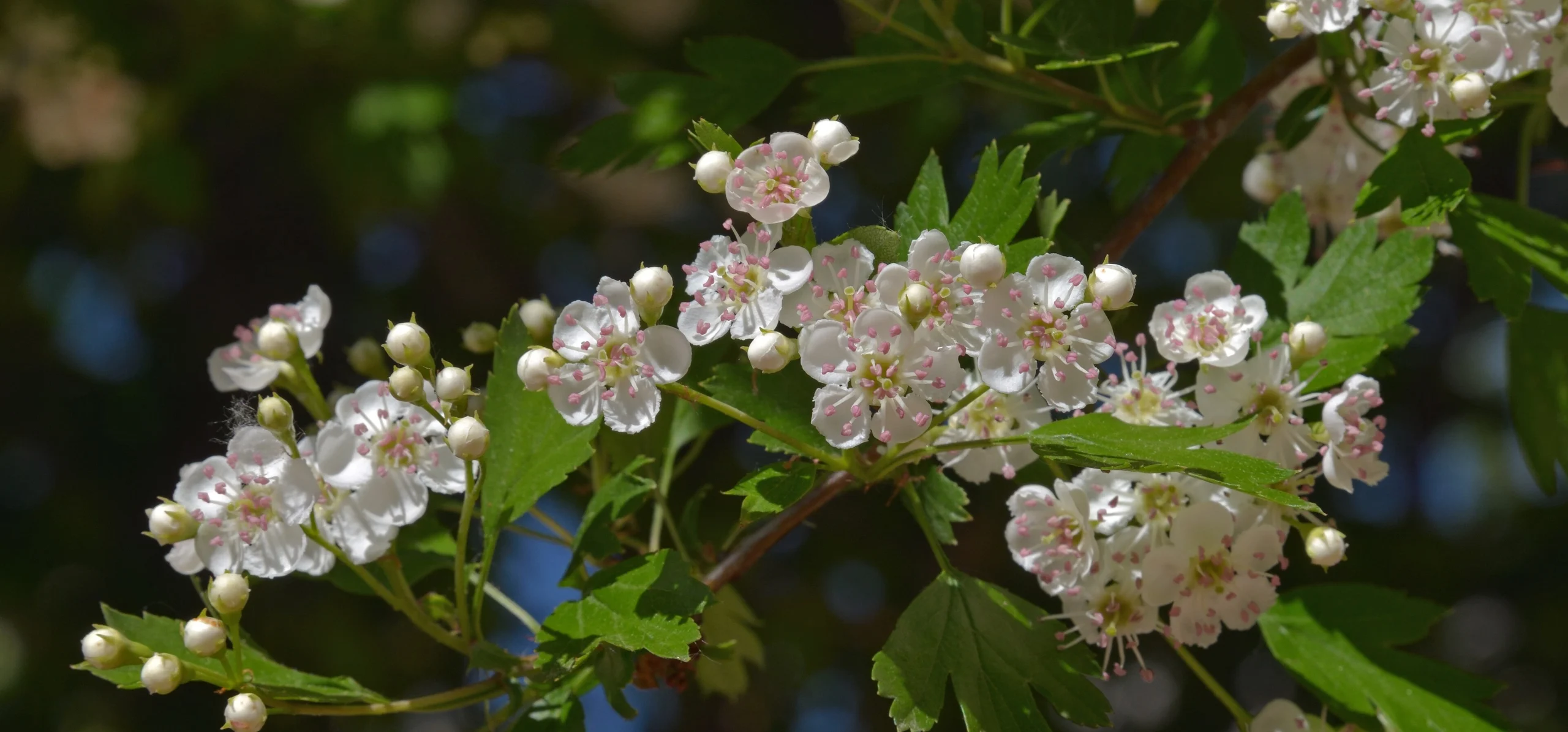
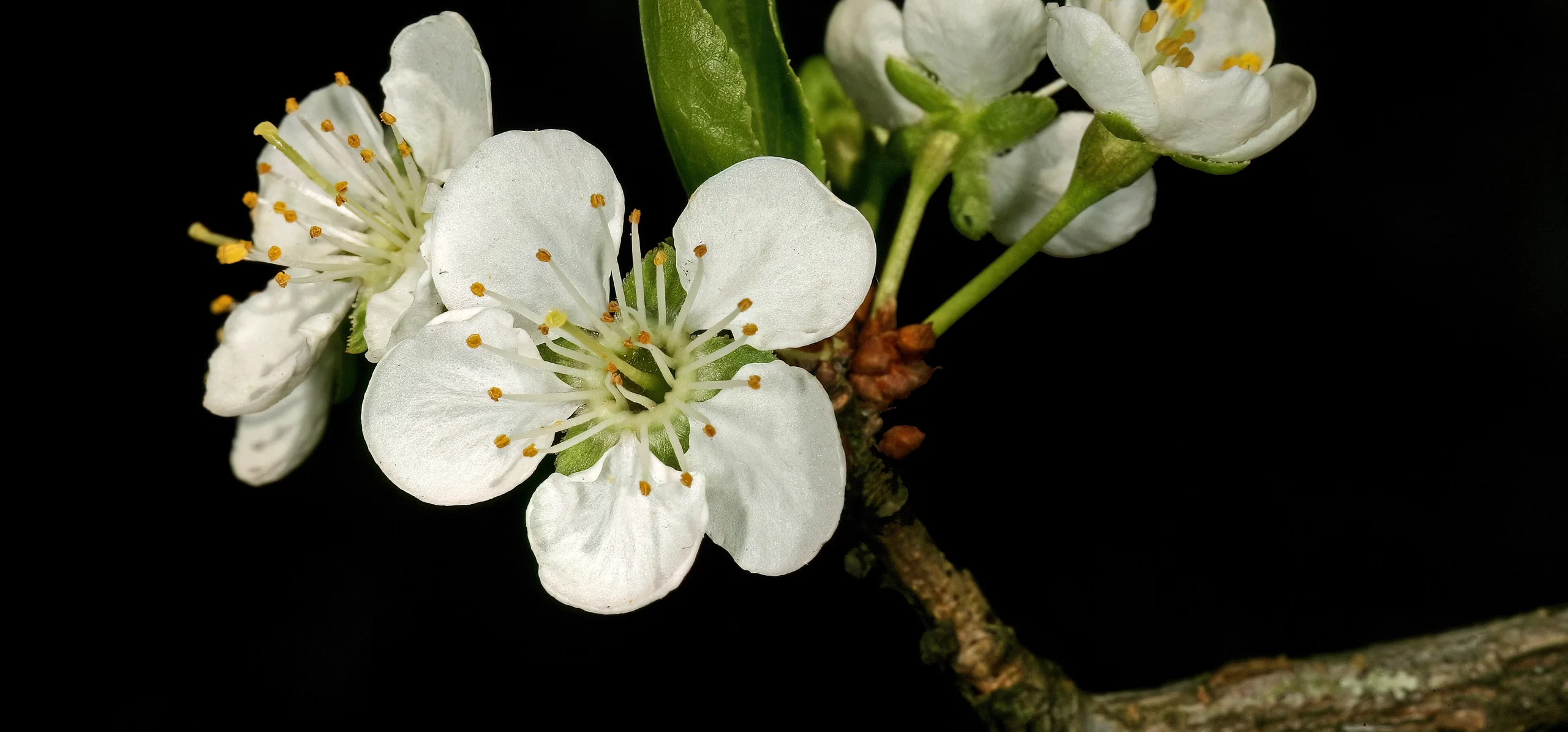
A European plum (Prunus domestica) bought as a bare-root whip or inherited already fruiting in a garden is, genetically, itself a stabilized hybrid of cherry plum (Prunus cerasifera) and blackthorn (Prunus spinosa), which is one reason so many old varieties, from 'Victoria' to the prune-type 'Stanley', have been passed down for generations rather than bred from scratch. It flowers earlier than most fruit trees, before the leaves are fully out, and that same blossom which draws the season's first bees is also the tree's weak point: a hard frost during bloom can erase the whole crop. Give it a sunny, sheltered spot and the right rootstock for the space available, and a young tree usually starts cropping within a few years and keeps going for decades.
European or Japanese Plum First
Confirm which species is behind the label before planting. European plum (Prunus domestica) is what most temperate gardens grow: oval fruit with a waxy bloom on the skin, freestone flesh that pulls cleanly from the pit, and a tree that tolerates cooler summers than its cousin. Japanese plum (Prunus salicina) ripens earlier, carries rounder and juicier fruit, and needs a warmer climate plus a same-species pollinator, since the two do not cross-pollinate each other. Within Prunus domestica, some cultivars such as 'Victoria' and 'Opal' are self-fertile and crop alone, while others need a second European plum flowering at the same time nearby; University of California Cooperative Extension guidance puts pollinator trees no more than about 35 to 50 feet apart for reliable cross-pollination.
Site, Soil and Planting
Plant bare-root trees between late autumn and late winter while dormant, or a containerized tree whenever the ground is workable. The RHS recommends full sun, a sheltered position out of strong wind, and moist but free-draining soil with a pH of 6 to 6.5; clay loam suits it well, but waterlogged ground rots the roots quickly. Rootstock decides the final size more than the fruiting variety does: RHS figures put trees on 'Pixy' at about 3 m high and 2 m wide, 'St Julien A' at 3.6 to 4.5 m, and vigorous 'Myrobalan B' or 'Brompton' rootstocks can carry a free-standing tree to 6 m. Set the graft union above soil level and stake a young tree through its first two years.


Chilling Hours and Frost
European plums need real winter cold to flower on schedule: UC Cooperative Extension puts the requirement at roughly 700 to 1,000 hours below 45 °F (7 °C) between autumn and bud break, and skipping that leaves bloom delayed and uneven. North Carolina State Extension lists the species hardy across USDA zones 4 to 9, but winter cold is not the real risk; it is the early bloom date. The RHS rates common plum H5, tolerating winter lows of -15 to -10 °C, yet the open blossom itself is killed by a single light frost. Choose a site with good air drainage rather than a low frost pocket, and where a late freeze is likely, drape a young or wall-trained tree with horticultural fleece overnight during flowering, removing it by day so pollinators can still work.
Watering and Feeding
Water a newly planted tree deeply about once a week through its first two summers while roots establish. Once settled, the RHS advises irrigating chiefly during dry spells, with the two moments that matter most being while fruit is swelling in early summer and again after harvest, when next year's fruit buds form. A 5 to 8 cm mulch of compost kept clear of the trunk cuts the watering load considerably. Feeding needs are modest: a spring mulch or a light dressing of balanced fertilizer under the canopy is usually enough, since heavy nitrogen produces soft growth that draws aphids and slows wound healing at pruning cuts.
Pruning: Timing Matters More Than Method
Never prune a plum tree in winter. Like every Prunus, it is vulnerable to silver leaf and bacterial canker, both of which infect fresh cuts through damp, cool-season air; the RHS advises shaping young trees in spring and trimming established ones in mid-summer instead, when wounds callus fastest and spores are scarcest. Most of the fruit forms on short spurs carried on two- to three-year-old wood, so early training focuses on building that spur system: UC Cooperative Extension recommends heading new whip shoots back by about half to force the side branching where spurs develop. Beyond the formative years, an established tree needs little more than removing dead, damaged or crossing wood and opening the center enough for light and air to reach the fruit.
Thinning and Harvest
European plums rarely need heavy thinning. UC Cooperative Extension notes it is only necessary when fruit set is very heavy, and even then the priority is removing damaged fruit first, followed by anything crowded at the branch tips. Fruit is ready once it has colored fully for its variety, developed the characteristic waxy bloom on the skin, and parts from the spur with a gentle twist; most varieties ripen from midsummer into early autumn depending on cultivar and climate. Picked plums keep only a few days at room temperature and somewhat longer in the fridge, so pick over the tree every few days rather than stripping it in one pass.
Pests and Diseases
Brown rot is the most damaging disease of plum fruit, spreading fastest in humid weather and often entering through wounds left by plum curculio, a snout-nosed beetle whose larvae tunnel into developing fruit and cause it to rot and drop early. Black knot produces dark, swollen galls on branches; cut them out well back into healthy wood during dry weather rather than winter. Aphids curl new shoot tips in spring and are usually controlled with a strong jet of water or insecticidal soap before real damage sets in. A tree kept on well-drained soil, pruned only in summer, and thinned enough to let air move through the canopy avoids most of this list before it starts.
Toxicity: Pits, Leaves and Pets
The ASPCA lists plum (Prunus domestica) as toxic to dogs, cats and horses: the stems, leaves and seeds contain cyanogenic compounds that release cyanide, particularly as leaves wilt after pruning or storm damage. Rake up fallen leaves and dropped fruit promptly, and keep pits away from dogs that might chew them. The concern sits specifically in the kernel inside the pit and in the foliage, not in the ripe fruit pulp that gets picked for the kitchen.
Test your plant knowledge
Tap a card to flip it and reveal the answer.
European plums typically need 700 to 1,000 hours of winter chilling below 7 °C (45 °F) to flower normally. Tap to reveal ✓ True
Winter is the best season to prune a European plum tree. Tap to reveal ✕ False
The rootstock, more than the fruiting variety grafted onto it, mainly decides how tall and wide the tree grows. Tap to reveal ✓ True
The ASPCA lists common plum (Prunus domestica) as non-toxic to dogs and cats. Tap to reveal ✕ False
Japanese plum and European plum varieties reliably cross-pollinate each other. Tap to reveal ✕ False
Sources
References consulted for this guide
- GBIF Backbone Taxonomy: Prunus domestica L.gbif.org
- Plants of the World Online (Kew): Prunus domestica L.powo.science.kew.org
- RHS: Prunus domestica (D/C) | plumrhs.org.uk
- ASPCA: Toxic and Non-toxic Plants - Plumaspca.org
- UC IPM: Cultural Tips for Growing Plum and Pruneipm.ucanr.edu
- Reference entity : Wikipédiaen.wikipedia.org