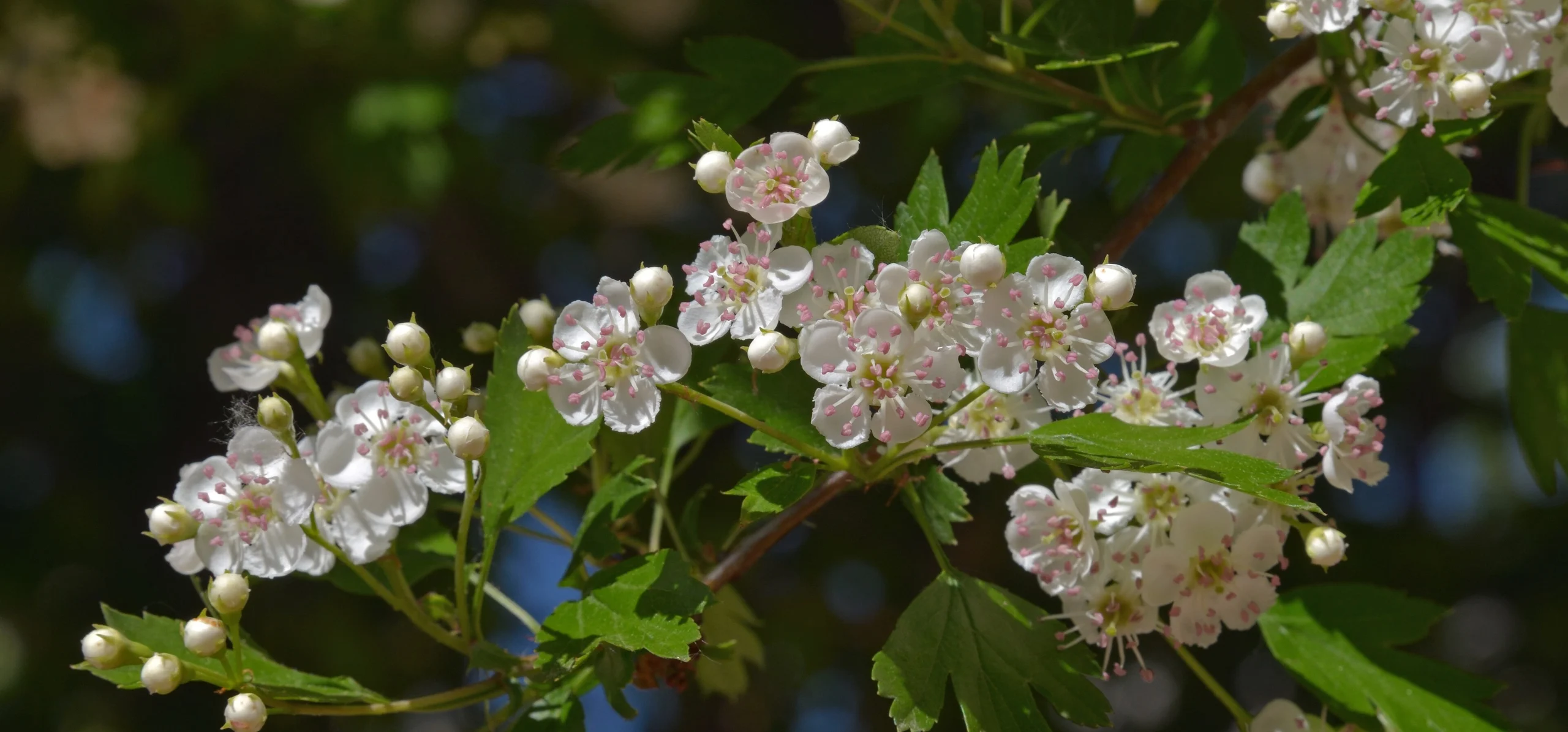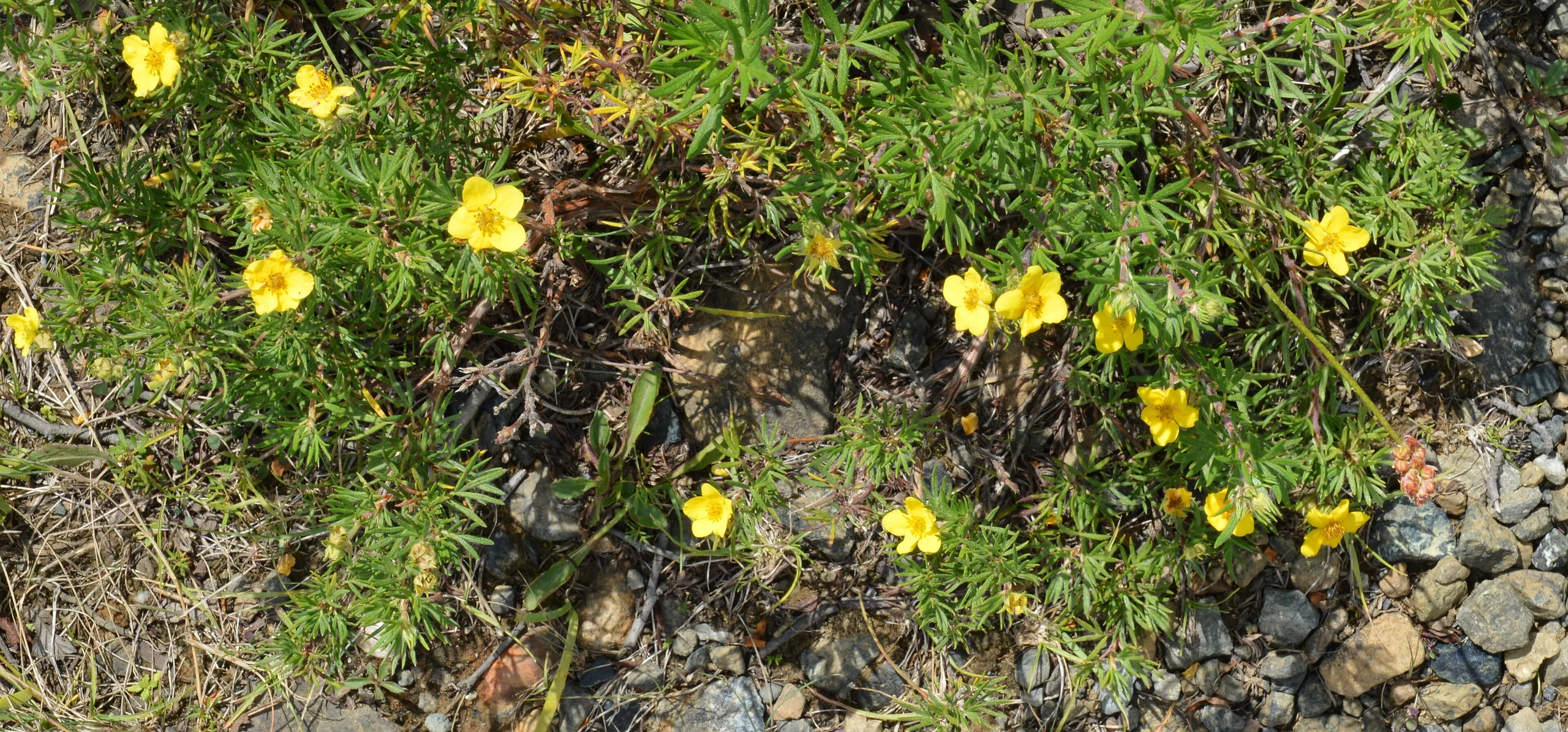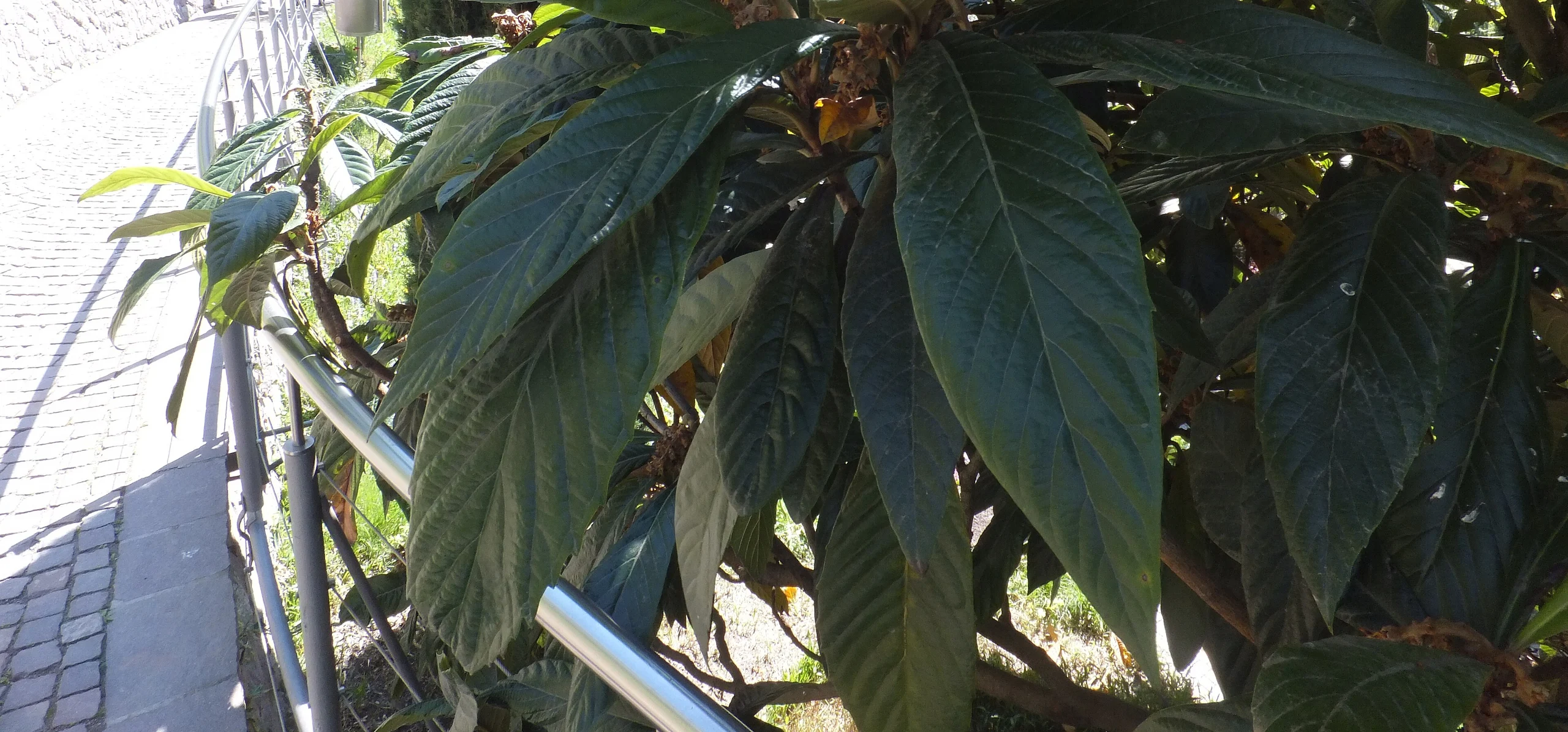
Cherry Laurel
Prunus laurocerasus
Family · Rosaceae
Cherry laurel fills a boundary faster than almost any other evergreen, but it needs secateurs, not shears, and it escapes into woodland if left to seed.
Prunus laurocerasus
Plant profile
- WateringLittleWater every 10 days
- Light exposureIndirect light
- Hardiness zoneUSDA 6–8
Growth
- Family
- Rosaceae
- Life cycle
- Perennial
- Growth speed
- 7/10
- Mature size
- 305–610 cm
- Spread
- 244–305 cm
- Propagation
- Cutting
- Seed
FloweringUpright white flower spikes in mid to late spring, followed by cherry-like fruit ripening red to black
Dormancyevergreen, no winter dormancy
Time to maturityreaches ultimate unpruned size in 20 to 50 years (RHS); a clipped hedge fills in within 2 to 3 seasons at 40 to 60 cm of growth a year
Soil & climate
- Soil types
- chalk, clay, loam, sand
- Drought tolerance
- Yes
Light & Placement
- Where to place it
- screening hedge
- boundary hedge
- shaded border under trees
- woodland-edge planting (sited away from wild margins)
- large container screening, short term
OriginSE. Europe to N. Iran (POWO); naturalised in the UK and Belgium, a weed of concern in the US Pacific Northwest
Safety
- Toxicity
- CatsToxic
- DogsToxic
- HorsesToxic
- HumansToxic
Invasive speciesRHS-listed non-native garden thug, naturalised in UK woodland and scrub; invasive alien species in Belgium; NC State Extension records it as a weed of concern on the US Pacific coast west of the Cascades
Data fromGBIF Backbone Taxonomy: Prunus lauroceraPlants of the World Online (Kew): PrunusRHS: Prunus laurocerasus (cherry laurel)NC State Extension Gardener Plant ToolboASPCA: Toxic and Non-Toxic Plants, Cherr
Where it grows
World distribution
Cherry Laurel is native to 10 countries: Albania, Bulgaria, Croatia, Georgia, Iran, Libya, Romania, and Russia….GBIF records 269,720 documented identifications across 73 countries, with the largest concentrations in United Kingdom, France, and Switzerland.
- Albania
- Bulgaria
- Croatia
- Georgia
- Iran
- Libya
- Romania
- Russia
- Tajikistan
- Türkiye
Yellow to orange dots: concentration of documented identifications per country. Green countries: sourced native range. Source: GBIFNative range from POWO (Kew).
A cherry laurel hedge bought for speed usually delivers within two or three seasons, but the plant that made it popular is the same one that gets it into trouble: every leaf, seed and stem is toxic, a sheared hedge browns at the cut edges within days, and any specimen left to fruit drops seed that birds carry into the nearest hedgerow or wood. None of that makes it a bad plant for the right spot, a dense, fast, shade-tolerant screen where nothing else will grow, but it does mean the usual hedge-trimmer routine and the usual disposal habits both need changing.
Why It Became the Default Fast Hedge, and Why Gardeners Are Told to Avoid It
Cherry laurel earns its place through sheer growth rate: the RHS records 40 to 60 cm of new growth a year, enough to turn a bare boundary into a solid green wall within two or three seasons, and it does this in full sun, partial shade or the deep shade under other trees where box, privet and most flowering hedges thin out. That same vigour is the first line of every complaint against it. Left untrimmed it forms a uniform, glossy wall with none of the seasonal change a mixed native hedge offers, and conservation bodies rate it poorly for wildlife next to hawthorn or holly: its dense canopy shades out the woodland floor beneath it. The RHS lists ordinary cherry laurel among its "garden thugs", the common non-native plants flagged as a potential nuisance once they escape a garden boundary.
Origin, and Where a Garden Hedge Turns Into a Woodland Problem
Plants of the World Online gives the native range of Prunus laurocerasus as SE. Europe to N. Iran, the mountains around the Black Sea rather than anywhere in northwest Europe. Introduced to British gardens by the early 17th century, it had already been recorded growing wild by the late 19th, and it is now naturalised across much of Great Britain, spreading by root suckers and layering where branches touch the ground, backed up by bird-dispersed seed from the black autumn fruit. It is also listed as an invasive alien species in Belgium. On the other side of the Atlantic, NC State Extension records that cherry laurel has escaped cultivation on the Pacific coast west of the Cascades and is classified there as a weed of concern, competing with native understorey shrubs in the same mild, damp climate that suits it as a hedge. In every one of these regions the mechanism is the same: a hedge that is never deadheaded seeds itself into the nearest wild ground.
Planting and Spacing a Cherry Laurel Hedge
The RHS rates cherry laurel hardy to H5, tolerating winter lows of around -15 to -10°C, and it grows in chalk, clay, loam or sand as long as drainage is reasonable; on shallow chalk it can turn chlorotic, a yellowing easy to mistake for a watering problem. Missouri Botanical Garden lists cultivated specimens at 3 to 6 m tall, though the RHS puts the unpruned species at 4 to 8 m tall with a spread it simply describes as "wider than 8 metres", so a boundary hedge is never left to reach full size. For a standard screening hedge, plants 40 to 60 cm tall establish faster than large ones and are spaced roughly 60 to 90 cm apart in a single row; a thicker, faster-closing screen uses a staggered double row instead. Water new plants through their first one to two summers; established hedges are reasonably drought tolerant once rooted in.


Clipping With Secateurs, Not a Hedge Trimmer
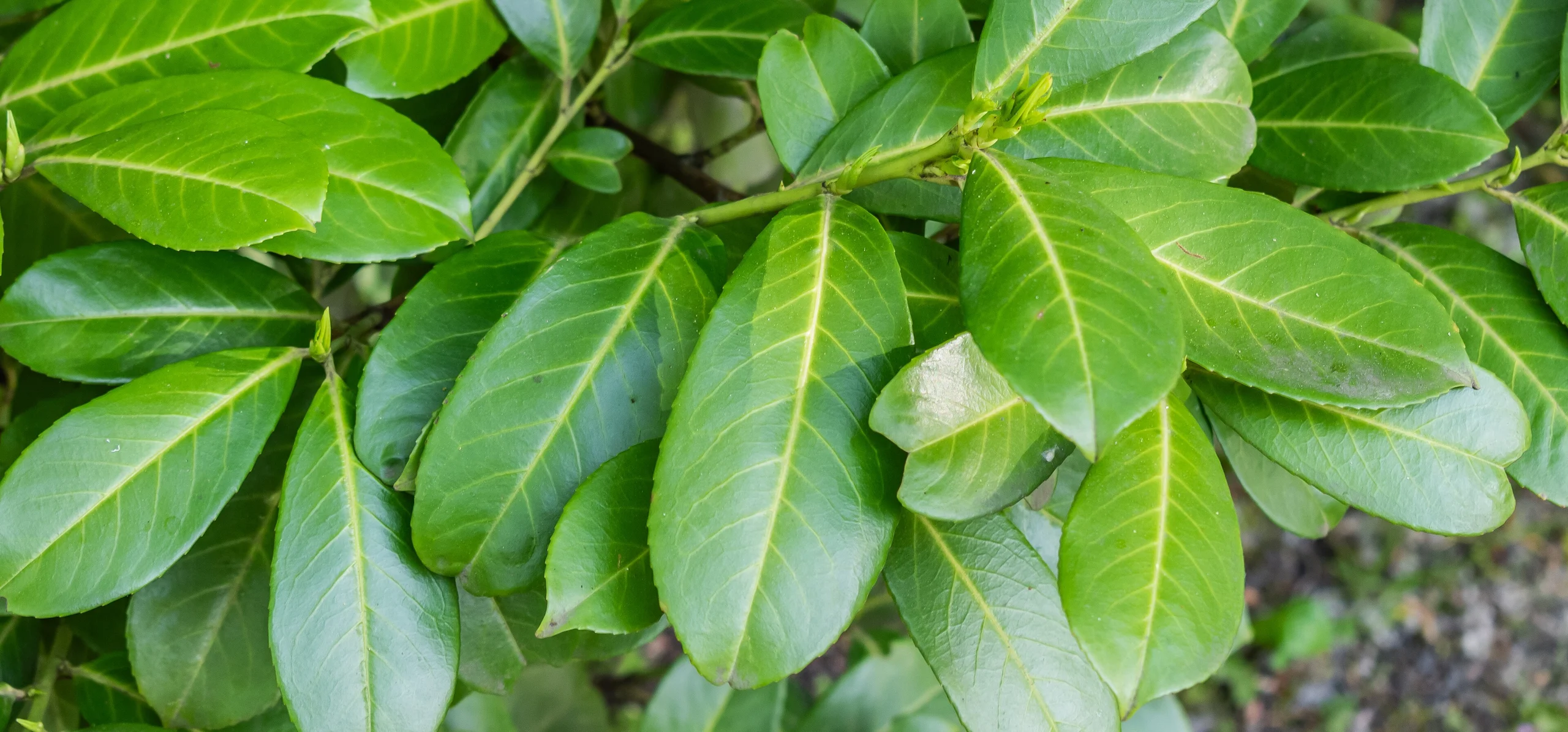
The RHS is explicit on this point for cherry laurel specifically: "it's best to prune individual stems with secateurs or loppers if you have the time, as using hand shears or hedge trimmers creates cut leaf surfaces that look unsightly." The leaves are large, leathery and glossy, so a trimmer blade slices through the blade of each one rather than at a leaf joint, and every severed leaf browns at the cut edge over the following days, leaving a hedge that looks scorched even though it is healthy. Cutting individual stems back to just above a leaf or bud with secateurs takes longer but leaves no cut leaf tissue behind. Pruning falls into RHS group 8, done in late spring or early summer once the spring flush has hardened; a second light pass in late summer keeps a formal shape crisp through winter.
Renovating an Overgrown Hedge
NC State Extension notes that cherry laurel takes heavy pruning well, which is what makes hard renovation realistic on a hedge left for years that has gone leggy, bare at the base, or too wide for its space. Cut back hard in stages rather than all at once: reduce the height and one side first, let it reshoot from the older wood left behind, then take the second side back the following year once the first cut has recovered. Start renovation as growth resumes in spring, well before flowering, so the plant has a full season to refill before winter. A hedge cut back this hard looks bare and twiggy for a season or two, which is normal, not a sign it has died.
Shot Hole Disease and Powdery Mildew
NC State Extension lists cherry laurel as more disease resistant than most other Prunus species, but still susceptible to shot-hole disease, powdery mildew and root rot. Shot hole starts as small brown or purple-ringed spots on the leaves; the dead tissue at the centre of each spot eventually drops out, leaving the leaf peppered with small holes, a symptom that can follow bacterial or fungal leaf spot rather than one single cause. Powdery mildew shows as a pale grey-white coating on new leaves and shoot tips, worse in still, humid air against a wall or in a tightly clipped hedge with poor airflow. The RHS separately flags cherry laurel as a high-risk host for the bacterium Xylella fastidiosa, a reason to buy hedging from a reputable nursery rather than import plants informally. Root rot follows waterlogged soil rather than a fungal spore blowing in, so the fix in wet ground is drainage, not a fungicide.
All Parts Toxic: Cyanogenic Glycosides and Livestock Risk
Every part of cherry laurel, leaves, seeds, stems and the flesh around the stone, contains cyanogenic glycosides, named amygdalin, prunasin and prulaurasin by NC State Extension, the same class of compound that gives crushed leaves their faint almond smell and once made "laurel water" a genuine 18th-century poison. The ASPCA lists cherry species of the genus Prunus as toxic to cats, dogs and horses on exactly this basis, producing breathing difficulty, dilated pupils and shock in animals that chew the foliage or stones. Wilted or dried leaves are more dangerous than fresh ones because damaged tissue releases hydrogen cyanide, which is exactly why hedge clippings should never be tipped over a fence, thrown into a paddock or left where livestock, rabbits or a curious dog can reach them; bag or compost clippings away from any animal enclosure instead.
'Otto Luyken' and 'Rotundifolia', and What to Plant Instead
Where the species grows too large, two RHS Award of Garden Merit cultivars scale it down or up to fit. 'Otto Luyken' is a genuinely dwarf, spreading form, reaching only 0.5 to 1 m tall on a 1 to 1.5 m spread, useful as low informal edging rather than a tall screen. 'Rotundifolia' keeps the species' full hedging size, 4 to 8 m tall with a 2.5 to 4 m spread if left unclipped, but with rounder, slightly smaller leaves and a reliably bushy habit that takes hard clipping well. Where the self-seeding risk or the toxicity is a dealbreaker, Portuguese laurel, Prunus lusitanica, gives a similar glossy evergreen hedge on red-tinted stems, is hardier and more tolerant of chalky, coastal and exposed sites, and self-seeds far less readily in the UK. Yew, Taxus baccata, clips to a sharper, denser formal edge and regenerates from bare old wood, and holly, Ilex aquifolium, is a genuinely native alternative that feeds far more insects, birds and moths across a British garden year.
Test your plant knowledge
Tap a card to flip it and reveal the answer.
The RHS recommends shearing cherry laurel with a hedge trimmer for the neatest finish. Tap to reveal ✕ False
Every part of cherry laurel, including the leaves and seeds, contains toxic cyanogenic glycosides. Tap to reveal ✓ True
Cherry laurel tolerates deep shade as well as full sun. Tap to reveal ✓ True
Cherry laurel stays confined to gardens and never spreads into the wild. Tap to reveal ✕ False
'Otto Luyken' is a dwarf, spreading cultivar that stays under about a metre tall. Tap to reveal ✓ True
Sources
References consulted for this guide
- GBIF Backbone Taxonomy: Prunus laurocerasus L.gbif.org
- Plants of the World Online (Kew): Prunus laurocerasus L.powo.science.kew.org
- RHS: Prunus laurocerasus (cherry laurel)rhs.org.uk
- NC State Extension Gardener Plant Toolbox: Prunus laurocerasusplants.ces.ncsu.edu
- ASPCA: Toxic and Non-Toxic Plants, Cherryaspca.org
- Reference entity : Wikipédiaen.wikipedia.org