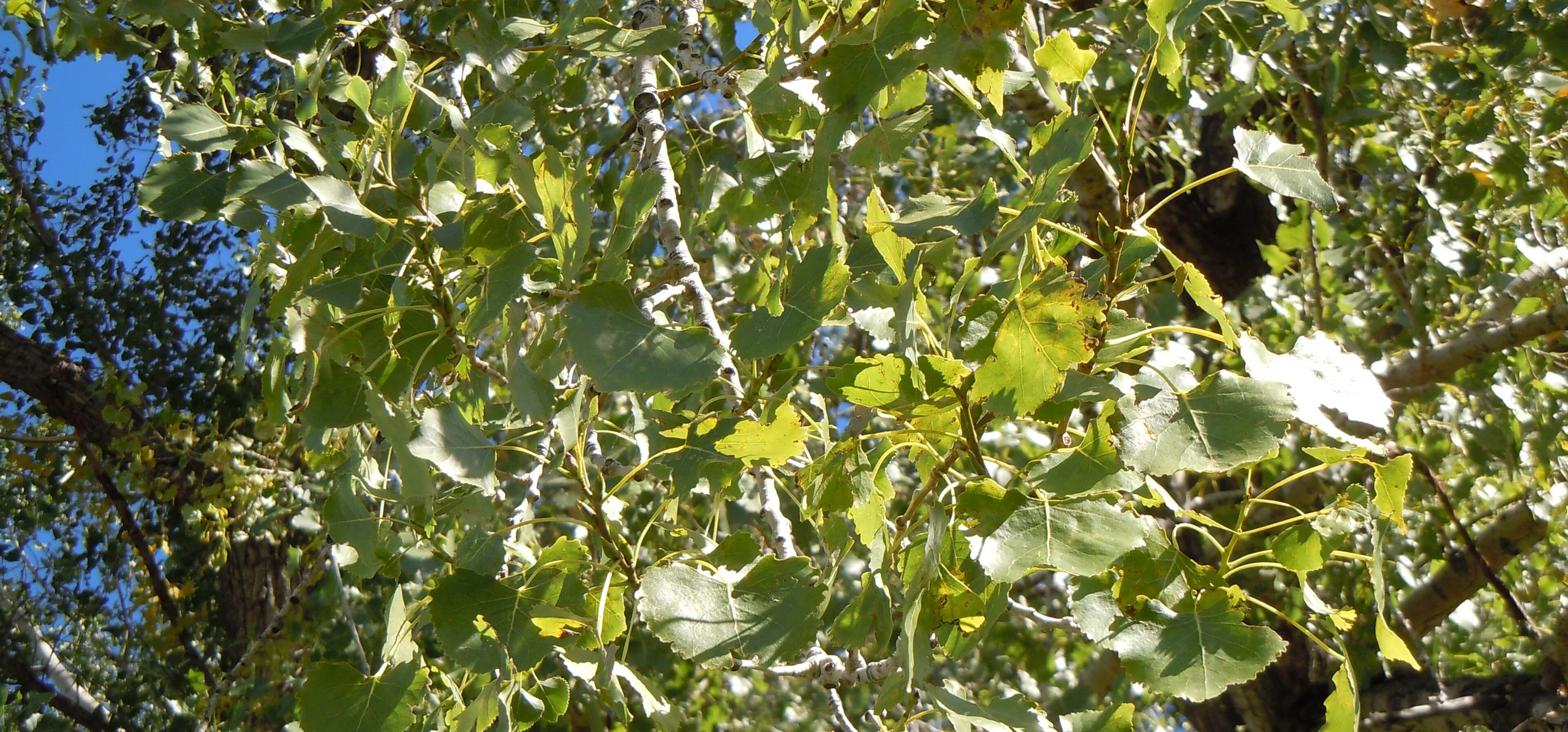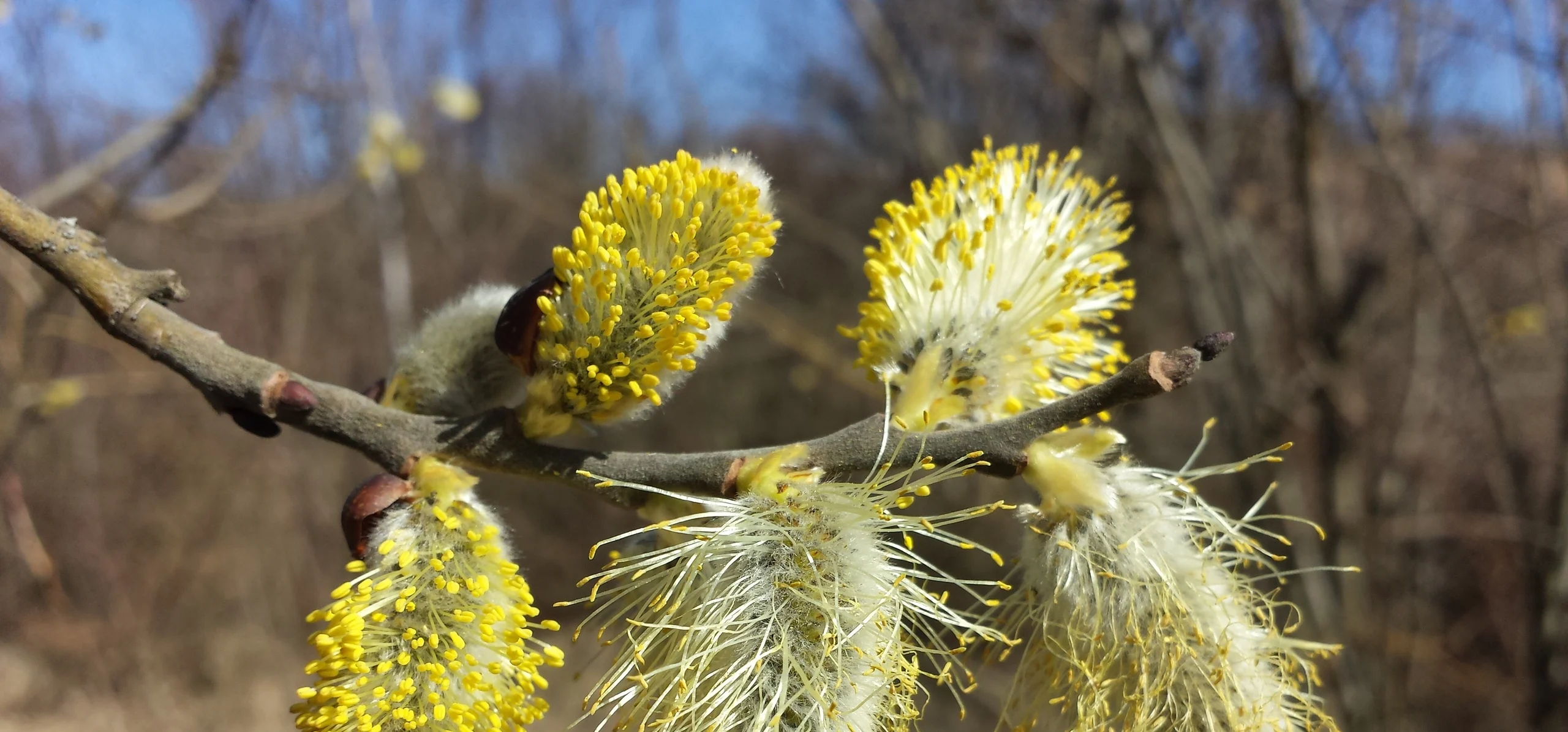

Weeping Willow
Salix babylonica
Family · Salicaceae
Weeping willow needs full sun, constant moisture and room for spreading roots. How to site it, manage its brittle wood and keep it away from drains and pipes.
Salix babylonica
Plant profile
- WateringVery highWater every 5 days
- Light exposurePartial sun
- Hardiness zoneUSDA 6–8
Growth
- Family
- Salicaceae
- Life cycle
- Perennial
- Growth speed
- 8/10
- Mature size
- 800–1200 cm
- Spread
- 800–1200 cm
- Flowering
- Inconspicuous catkins in early spring, before or with new leaves
- Propagation
- Cutting
Dormancybare and dormant through winter, breaks bud in early spring
Time to maturityreaches full size in about 20 to 50 years
Soil & climate
- Soil types
- clay, loam, sand
- Drought tolerance
- No
Light & Placement
- Origin
- Northern and eastern China to Korea
- Where to place it
- streamside or pond edge
- large open lawn or park
- riparian buffer planting
Safety
- Toxicity
- Not listed by the ASPCA as toxic or non-toxic to pets
- Pet safe
- No
Invasive speciesin warm, wet climates it can spread along waterways, and its roots are known to damage nearby drains, sewage pipes and paving
Data fromSalix babylonica L., GBIF Backbone TaxonSalix babylonica L., Plants of the WorldRHS: Salix babylonica (weeping willow)NC State Extension Gardener Plant Toolbo
Where it grows
World distribution
Weeping Willow is native to 2 countries: China and South Korea.GBIF records 16,506 documented identifications across 114 countries, with the largest concentrations in United States, Australia, and France.
- China
- South Korea
Yellow to orange dots: concentration of documented identifications per country. Green countries: sourced native range. Source: GBIFNative range from POWO (Kew).
A weeping willow bought as a whip or found already established over a pond tells you what it needs almost at a glance: long, pendulous branches reaching for water. Give it full sun, soil that never dries out for long, and enough open ground to spread 8 to 12 m in each direction, and it grows fast, often over a metre a year while young. The trade-off for that speed is brittle wood and roots that chase moisture wherever they find it, so the site you choose matters more with this tree than almost any other in the garden.
Origin and What You Are Actually Buying
Salix babylonica is native to northern and eastern China, extending into Korea, and has been cultivated and moved around the world for so long that its name is now attached to a whole look rather than one strict lineage. Many trees sold as "weeping willow" in North American and European nurseries are the hybrid Salix x sepulcralis rather than true S. babylonica, since the hybrid tolerates colder winters better. If your tag or invoice just says "weeping willow" with no Latin name, treat the care in this guide as a close match either way, the two share the same growth habit, wood weakness and moisture needs.
Siting: Sun, Space and Shelter
Plant in full sun on an open site with room for the crown to reach its mature spread; a tree squeezed against a fence or building will push branches sideways into it within a decade. The RHS recommends a sheltered aspect because the wood is genuinely brittle, a willow in a wind tunnel between two buildings loses limbs every winter that a willow in an open field keeps. Keep the trunk at least 15 to 20 m from the house, driveway or septic line before you plant, the roots below ground travel as far as the canopy above it and actively seek out damp soil around pipework.
Soil and Water: The One Rule That Matters
This is not a tree for a border that dries out between waterings. NC State Extension describes weeping willow thriving in very moist, even occasionally flooded soil, across acidic to alkaline pH and in clay, loam or sandy textures. A spot beside a stream, pond or low, damp corner of the garden suits it far better than a raised bed or a slope that sheds water quickly. Newly planted trees need regular deep watering through their first two summers while roots establish; a mature tree in the right spot rarely needs supplemental water at all, since it has usually found the local water table on its own.


Pruning: Working Around Weak Wood
The RHS places weeping willow in its lightest pruning group, meaning routine hard cuts are neither needed nor advisable. Instead, walk the tree each winter and after any storm, removing dead, crossing or obviously cracked wood back to healthy tissue. Because the branches are brittle rather than diseased when they snap, clean cuts made promptly heal faster than jagged storm breaks left in place. Avoid heavy crown reduction in one session; taking off more than a fifth of the live canopy at once stresses the tree and tends to trigger a flush of weakly attached water sprouts exactly where you cut.
Pests and Diseases
Weeping willow attracts a long list of common garden pests, aphids, mites, scale insects, lace bugs, caterpillars and, in some regions, the willow leaf beetle and sawflies, none of which usually threatens a healthy mature tree on their own. Watch instead for the diseases the RHS and NC State Extension both flag: willow anthracnose and other leaf spots that cause early, patchy leaf drop in wet springs, powdery mildew on crowded inner growth, canker on stressed or wounded bark, and honey fungus at the root collar of trees already weakened by drought or poor drainage. Good airflow through light annual pruning and keeping the tree properly watered do more to prevent these than any spray program.
Roots, Wood and Where Not to Plant
The same traits that make weeping willow dramatic, fast growth and a wide-ranging root system, make it a poor neighbour for infrastructure. NC State Extension lists invasive roots damaging water and sewage pipes among the tree's recurring problems, and the brittle wood sheds twigs, branches and a heavy annual litter of leaves that need clearing from paths, gutters and, where the tree overhangs water, from the pond or stream itself. In parts of Australia, escaped weeping willows have become a recognised problem along creeks and waterways, competing with native streamside vegetation and altering water flow, a reminder that a tree planted for its looks beside water can spread well beyond where it was put.
Propagation from Cuttings
Willows root from stem cuttings more readily than almost any other tree in the garden; NC State Extension lists stem cutting as the standard propagation method. Take a pencil-thick, dormant hardwood cutting in late winter, push two-thirds of its length into moist soil or even a jar of water, and roots typically appear within a few weeks without rooting hormone. This ease of propagation is worth knowing before you plant one on a whim near a drain or a wall, a single willow can supply cuttings for a hedge or windbreak elsewhere on the property instead.
Safety Around Pets
Checking the ASPCA's toxic and non-toxic plant database turns up no dedicated listing for Salix babylonica or "weeping willow", so no toxicity rating can be honestly cited for this species; treat that as missing information rather than a clean bill of health, and keep an eye on pets that chew fallen bark or twigs as you would with any woody plant.
Test your plant knowledge
Tap a card to flip it and reveal the answer.
A weeping willow tolerates occasional flooding and wants consistently moist soil. Tap to reveal ✓ True
Weeping willow wood is strong and rarely breaks in storms. Tap to reveal ✕ False
Weeping willow only survives in warm climates, USDA zone 9 and above. Tap to reveal ✕ False
Weeping willow roots can damage nearby drains, pipes and paving. Tap to reveal ✓ True
The ASPCA lists weeping willow as toxic to cats and dogs. Tap to reveal ✕ False
Sources
References consulted for this guide
- Salix babylonica L., GBIF Backbone Taxonomygbif.org
- Salix babylonica L., Plants of the World Online (Kew)powo.science.kew.org
- RHS: Salix babylonica (weeping willow)rhs.org.uk
- NC State Extension Gardener Plant Toolbox: Salix babylonicaplants.ces.ncsu.edu
- Reference entity : Wikipédiaen.wikipedia.org