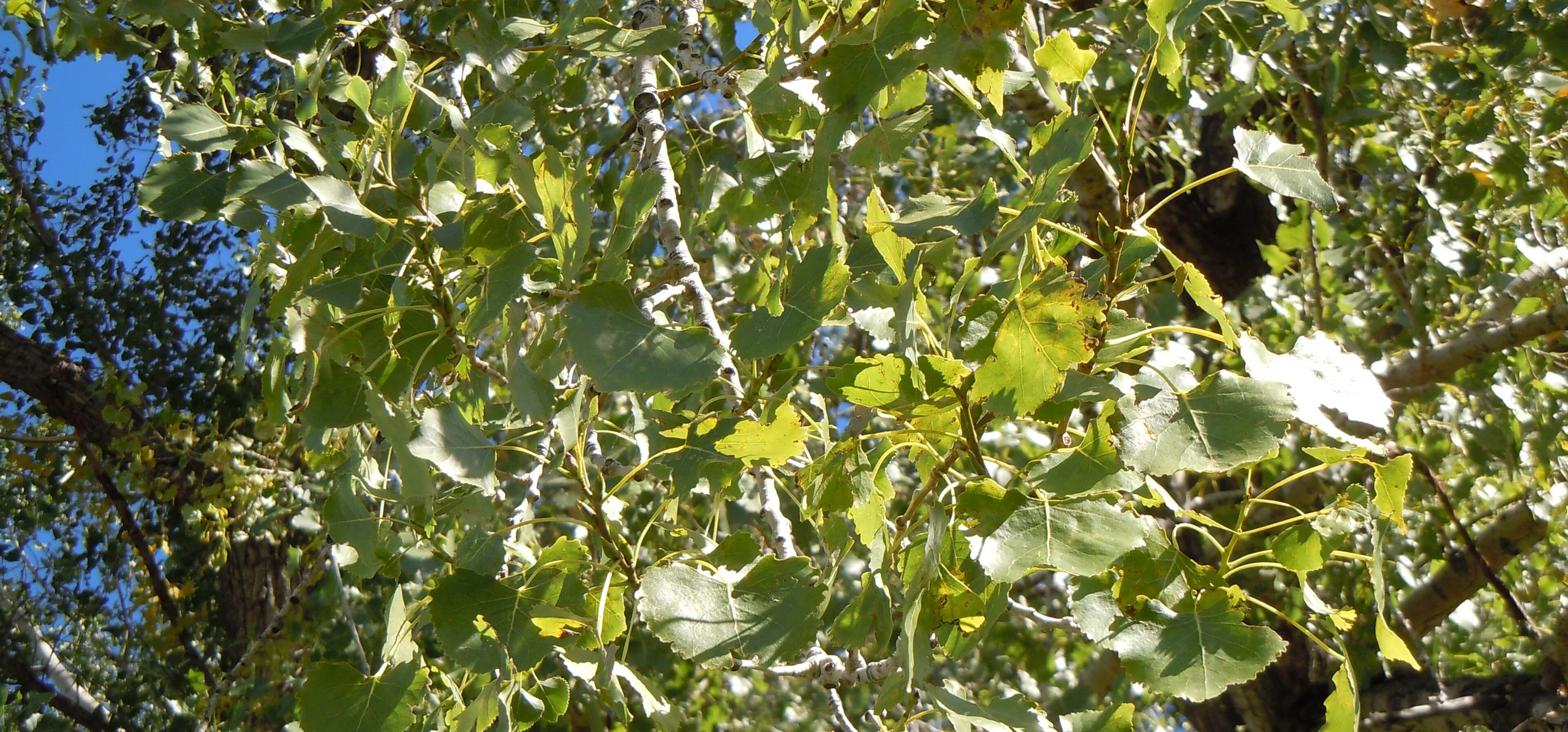
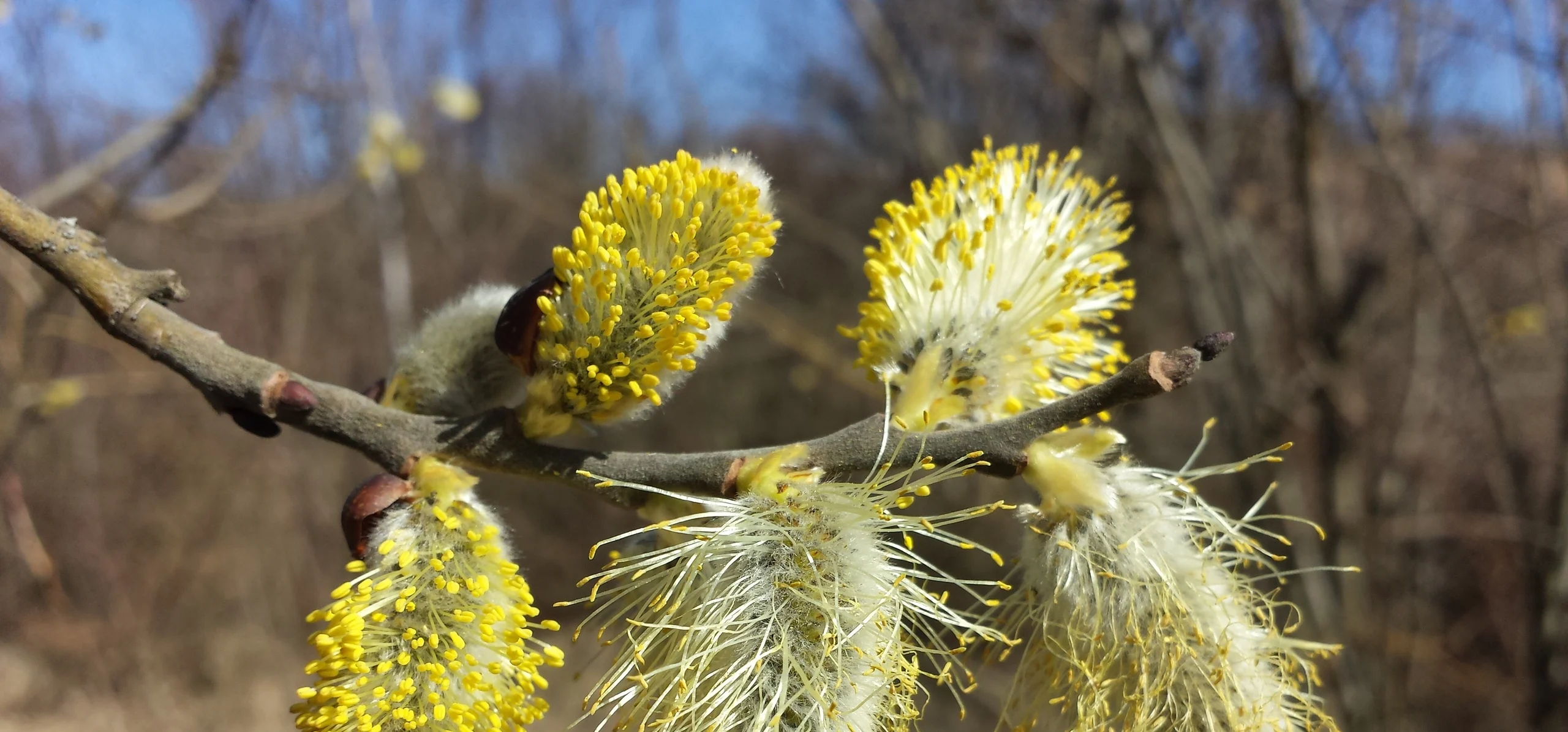
Goat Willow
Salix caprea
Family · Salicaceae
Goat willow opens silvery-grey catkins on male trees in late winter, tolerates wet or average soil, and needs hard pruning every few years to stay shapely.
Salix caprea
Plant profile
- WateringHighWater every 5 days
- Light exposurePartial sun
- Hardiness zoneUSDA 4–8
Growth
- Family
- Salicaceae
- Life cycle
- Perennial
- Growth speed
- 7/10
- Mature size
- 800–1200 cm
- Spread
- 400–800 cm
- Flowering
- Silvery to pinkish-grey catkins in late winter and early spring, before the leaves
- Propagation
- Cutting
Dormancydeciduous, dormant in winter
Time to maturityfull size in 10-20 years
Soil & climate
- Soil types
- clay, loam, sand
- Drought tolerance
- No
Light & Placement
- Where to place it
- streambank or pond margin
- rain garden or wet corner
- hedgerow or windbreak
- woodland edge
OriginEurope to northern Asia, north China to Japan (POWO); naturalised in parts of eastern North America
Safety
- Toxicity
- Not listed by the ASPCA
- Pet safe
- No
Invasive speciesNaturalised and escaped cultivation in parts of eastern North America (Missouri Botanical Garden)
Data fromGBIF Backbone Taxonomy: Salix caprea L.Plants of the World Online (Kew): Salix RHS: Salix caprea (goat willow)Missouri Botanical Garden Plant Finder:
Where it grows
World distribution
Goat Willow is native to 33 countries: Albania, Austria, Belarus, Belgium, Bulgaria, China, Croatia, and Czechia….GBIF records 767,176 documented identifications across 73 countries, with the largest concentrations in United Kingdom, France, and Germany.
- Albania
- Austria
- Belarus
- Belgium
- Bulgaria
- China
- Croatia
- Czechia
- Denmark
- Estonia
- Finland
- France
Show 21 more countriesShow fewer countries
- Georgia
- Germany
- Greece
- Hungary
- Ireland
- Italy
- Japan
- Kazakhstan
- Lebanon
- Netherlands
- Norway
- Poland
- Romania
- Russia
- South Korea
- Spain
- Sweden
- Switzerland
- Türkiye
- Ukraine
- United Kingdom
Yellow to orange dots: concentration of documented identifications per country. Green countries: sourced native range. Source: GBIFNative range from POWO (Kew).
Goat willow, sold in nurseries as pussy willow for its late-winter catkins, is a fast, easygoing shrub or small tree that lights up a bare corner weeks before anything else stirs. Only male trees carry the plump, silvery catkins gardeners actually want; females produce smaller green ones that most people walk straight past. It asks for almost nothing beyond damp ground, tolerating wetter, heavier soil than most other willows and colonising streambanks and ditches on its own. Left alone it reaches 8 to 12 metres, or you cut it hard every few years and keep it as a manageable, catkin-covered shrub.
Origin and Habitat
Plants of the World Online (Kew) places the native range of Salix caprea across Europe to northern Asia, and on into northern China and Japan. Missouri Botanical Garden lists it more broadly as native to Eurasia, and notes it has escaped cultivation and naturalised in parts of eastern North America, where it competes with wetland natives along streambanks and disturbed ground. Wherever it grows wild, it favours the same conditions: damp woodland edges, hedgerows, ditches and riverbanks, ground too wet or too poor for many other trees. That native preference for moisture is why it is one of the few trees that shrugs off a waterlogged garden corner that would kill most other woody plants outright.
Male or Female: Choosing the Right Tree
Salix caprea is dioecious: male and female catkins appear on separate trees, and only one of the two is the reason most gardeners plant it at all. Male trees open pinkish-grey, woolly catkins that ripen into a haze of golden anthers, the classic pussy willow display, while female trees carry smaller, slimmer green catkins that mature into cottony seed heads and shed a fair amount of windblown fluff in early summer. Nurseries selling goat willow for its winter display almost always propagate named male clones, but a plant grown from an unlabelled seedling or cutting could be either sex, so buy while it is in catkin in late winter if you want to see exactly what you are getting. Missouri Botanical Garden notes its catkins are larger and woollier than those of Salix discolor, the willow most often sold as pussy willow in North America, a useful way to tell the two apart at a nursery.


Site, Soil and Position
RHS growing notes list goat willow as tolerant of clay, loam and sand, across acid, neutral and alkaline pH, in soil that is moist but well-drained, though the species also copes with wetter, heavier ground that sets back most trees. Missouri Botanical Garden rates its water need as medium to wet and specifically notes it tolerates somewhat drier soil better than most other willows, which makes it a workable choice for a garden that is damp rather than truly boggy. Give it full sun for the densest catkin display; RHS lists it as tolerant of west, east or south aspects and of both exposed and sheltered sites, and part shade is fine though flowering thins out. The one soil it dislikes is shallow chalk, where free-draining, low-nutrient conditions run against everything the species is built for.
Planting and Spacing
Plant a container-grown goat willow at any time the ground is workable, or a bare-root whip between late autumn and late winter while it is dormant. RHS figures put the ultimate size at 8 to 12 metres tall and 4 to 8 metres wide over 10 to 20 years, so a specimen left to grow freely needs real space, not a gap between a fence and a path. Along a stream, pond margin or the low, wet corner of a rain garden, a use Missouri Botanical Garden lists as standard for the species, that spread is an asset rather than a problem, holding wet banks that would otherwise erode. Where space is tighter, plant it knowing it will be cut back hard on a regular cycle rather than left to reach full size.
Pruning and Coppicing
Missouri Botanical Garden's culture notes call for pruning in late winter to early spring, and add that plants can be cut back to the ground every three to five years to keep them at a smaller, shrubby size instead of letting them grow into a full tree. That hard renewal pruning works because willows resprout vigorously from old wood, and it also solves the species' one real structural weakness: Missouri Botanical Garden flags the wood as weak and prone to cracking, with branches damaged by ice and snow on older, larger specimens. A stooled or coppiced goat willow, cut back near the base every few years, never grows the heavy limbs that break in a winter storm, and it produces more of the young, catkin-bearing wood gardeners want to see each spring.
Propagation from Cuttings
Few trees root as willingly as a willow. RHS recommends softwood or greenwood cuttings taken in early summer, or hardwood cuttings taken in winter while the plant is dormant; both are listed as reliable ways to increase goat willow, and a hardwood section pushed straight into open ground or a pot of damp compost will often root without any rooting hormone at all. Because the species is dioecious, a cutting taken from a named male clone reproduces that exact plant, catkins included, while a seed-grown plant is a genetic gamble on sex and on catkin size alike.
Pests, Diseases and Common Mistakes
RHS lists aphids, caterpillars, leaf beetles, sawflies and willow scale among the insects that visit goat willow, alongside disease problems including willow anthracnose, scab, canker, honey fungus and rust; Missouri Botanical Garden adds powdery mildew, leaf spot and borers to the list. None of these tends to threaten a healthy, well-sited plant outright, and most years the damage stays cosmetic. The two mistakes that cause real trouble are planting too close to drains, foundations or sewer lines, since Missouri Botanical Garden specifically warns that the shallow root system can clog underground pipes, and skipping the renewal pruning that keeps the naturally weak wood from turning into large limbs that split in a storm. The ASPCA's toxic and non-toxic plant database carries no entry for Salix caprea, goat willow or pussy willow by name, so treat it with the same ordinary caution given any unlisted garden plant rather than a confirmed safety claim either way.
Test your plant knowledge
Tap a card to flip it and reveal the answer.
Salix caprea is dioecious, with male and female catkins on separate trees. Tap to reveal ✓ True
Goat willow thrives in dry, sandy soil and dislikes any moisture. Tap to reveal ✕ False
The best time to prune goat willow is in late winter to early spring. Tap to reveal ✓ True
Willow cuttings root poorly and rarely succeed without rooting hormone. Tap to reveal ✕ False
Goat willow wood is naturally weak and prone to cracking on older specimens. Tap to reveal ✓ True
Sources
References consulted for this guide
- GBIF Backbone Taxonomy: Salix caprea L.gbif.org
- Plants of the World Online (Kew): Salix caprea L.powo.science.kew.org
- RHS: Salix caprea (goat willow)rhs.org.uk
- Missouri Botanical Garden Plant Finder: Salix capreamissouribotanicalgarden.org
- Reference entity : Wikipédiaen.wikipedia.org