Wax Begonia
Begonia cucullata
Family · Begoniaceae
Grow wax begonia (Begonia cucullata) by leaf colour: bronze for full sun, green for shade, plus overwintering, cuttings, mildew, and pet toxicity.
Begonia cucullata
Plant profile
- WateringModerateWater every 6 days
- Light exposurePartial sun
- Hardiness zoneUSDA 9–11
Growth
- Family
- Begoniaceae
- Life cycle
- Perennial
- Growth speed
- 7/10
- Mature size
- 15–30 cm
- Spread
- 15–30 cm
- Flowering
- Spring until the first frost
- Propagation
- Seed
- Cutting
Dormancynone in frost-free climates; grown as a bedding annual and killed by frost elsewhere
Time to maturityflowers within weeks of planting out, continuously from spring to frost
Soil & climate
- Soil types
- loam, well-drained, humus-rich
- Drought tolerance
- Yes
Light & Placement
- Origin
- Bolivia to Brazil and northern Argentina
- Where to place it
- bright window with filtered light for overwintering
- sunny border for bronze-leaved varieties
- morning sun and afternoon shade for green-leaved varieties
- hanging baskets and window boxes with drainage holes
Safety
- Toxicity
- CatsToxic
- DogsToxic
- HorsesToxic
Data fromGBIF: Begonia cucullata Willd.POWO (Kew): Begonia cucullata Willd.ASPCA: Begonia toxicity to cats, dogs anNC State Extension: Begonia, Wax TypesClemson HGIC: Begonia
Where it grows
World distribution
Wax Begonia is native to 5 countries: Argentina, Bolivia, Brazil, Paraguay, and Uruguay.GBIF records 5,633 documented identifications across 66 countries, with the largest concentrations in Brazil, Paraguay, and Argentina.
- Argentina
- Bolivia
- Brazil
- Paraguay
- Uruguay
Yellow to orange dots: concentration of documented identifications per country. Green countries: sourced native range. Source: GBIFNative range from POWO (Kew).
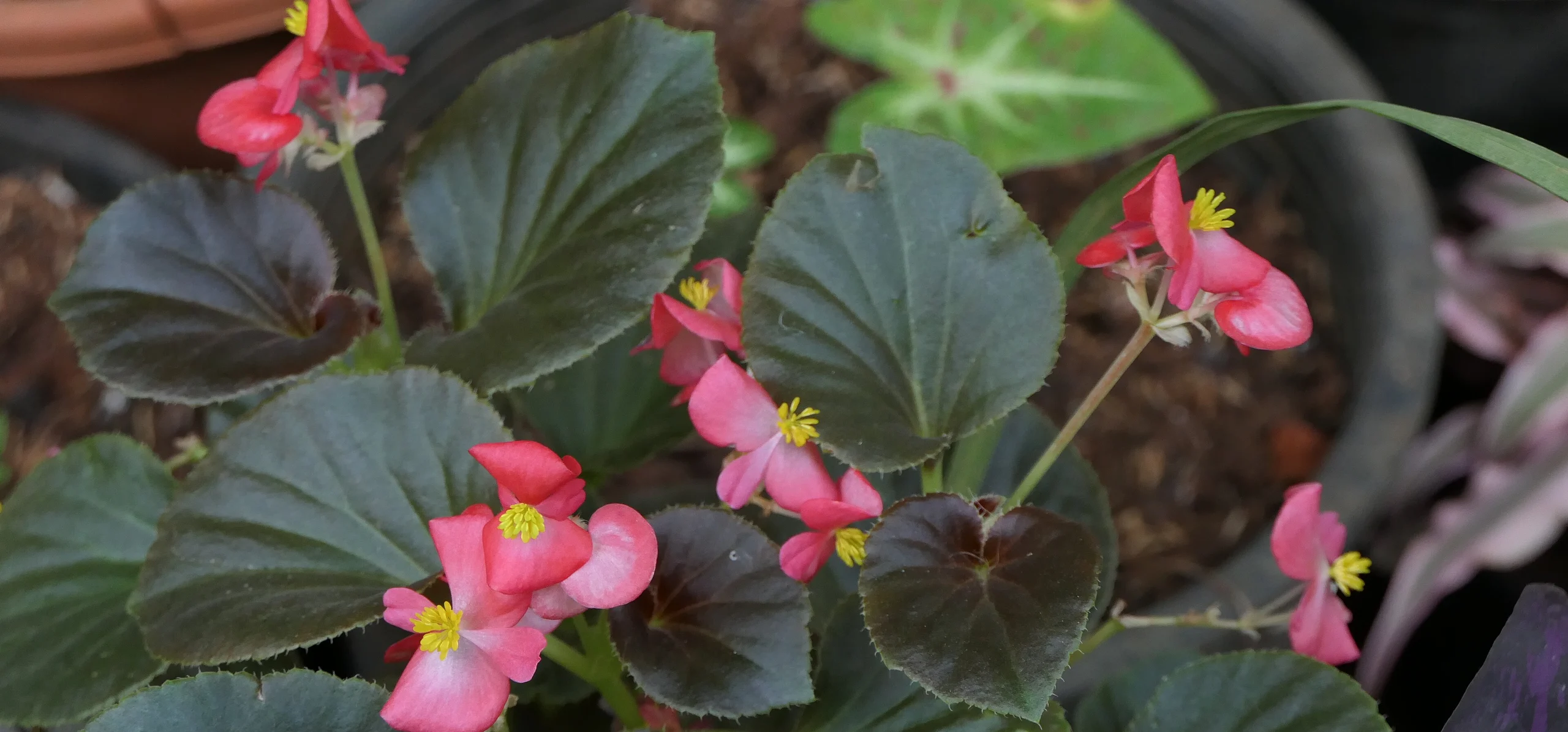
That mounding bedding plant with waxy, rounded leaves and small clusters of white, pink, or red flowers is Begonia cucullata, sold almost everywhere as wax begonia and, on older seed packets, as Begonia semperflorens. It flowers from spring until the first frost with no deadheading needed, which is why it fills municipal borders, window boxes, and hanging baskets in warm climates. The fastest way to know what light it wants is to look at the leaf colour: bronze or reddish foliage marks a plant bred for full sun, while glossy green foliage wants some afternoon shade. It is native to a band of South America running from Bolivia through Brazil into northern Argentina, and it survives outdoors as a perennial only in USDA zones 9 to 11, elsewhere it is grown as a bedding annual or lifted before the cold arrives.
Bronze Leaves or Green Leaves: Choosing by Sun Exposure
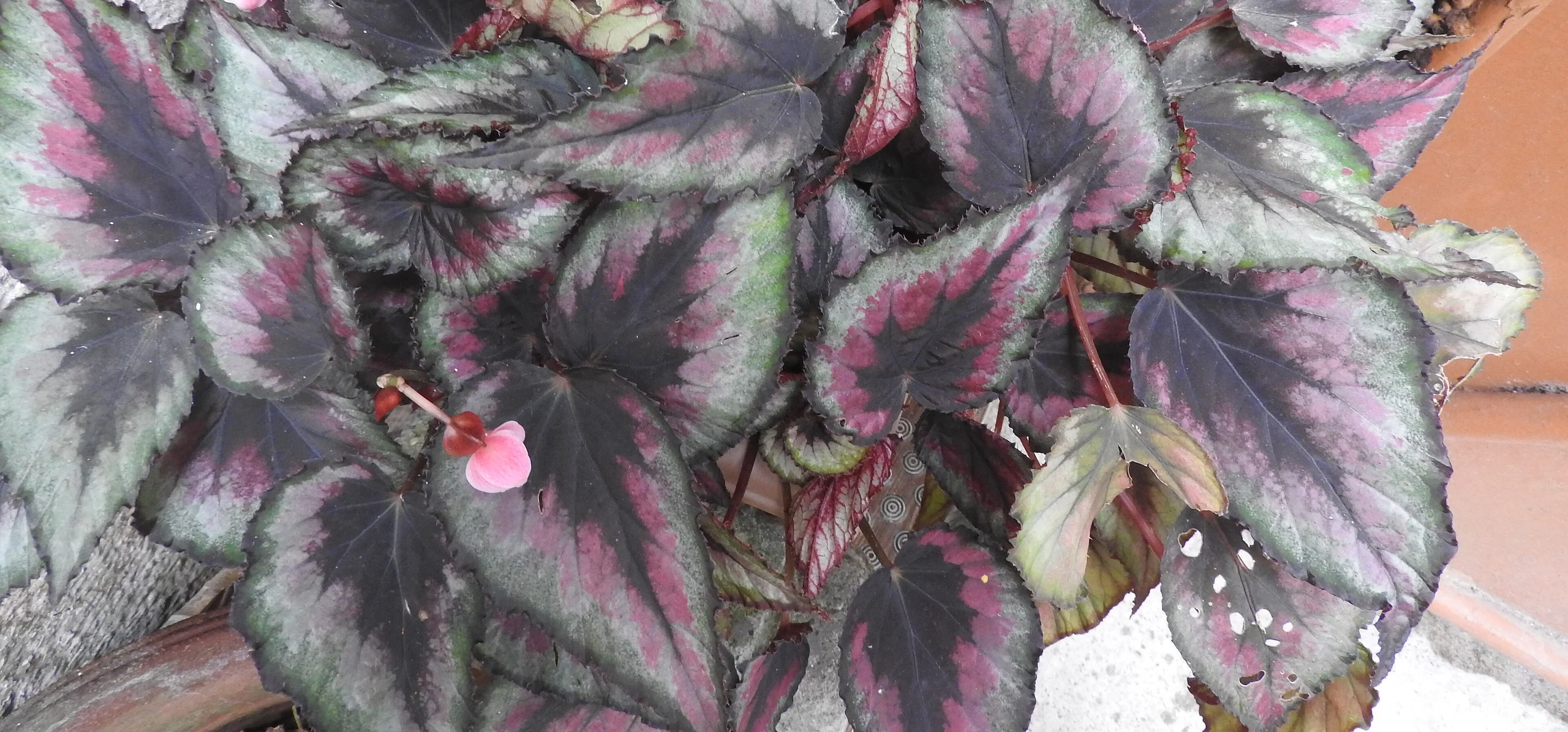
Nurseries sell wax begonia in two broad leaf colours, and the colour is a genuine growing instruction, not just a cosmetic choice. Bronze and reddish-leaved cultivars carry more pigment, which acts like built-in sun protection, so they hold up in a full-sun border where a green-leaved plant would scorch. Green-leaved cultivars look fresher and glossier but need morning sun with afternoon shade, or dappled light all day, to avoid bleached or crisped patches. If you are buying for a spot that gets sun most of the day, pick bronze foliage first and treat green-leaved plants as the ones for the shadier side of the bed.
Light and Placement
Once you have matched leaf colour to exposure, wax begonia is genuinely adaptable and tolerates everything from a sunny patio pot to a spot with less than two hours of direct light a day. Indoors, a bright window with filtered rather than direct light suits it well, which is also the setup you need later for bringing plants through winter. Outdoors it is a workhorse for borders, window boxes, and hanging baskets, and its compact, mounding habit keeps it tidy without staking or pinching.
Soil and Watering
Give it a humus-rich, fertile, well-drained soil that holds some moisture without staying soggy. Water well and keep the soil evenly moist through the growing season; the thick, waxy leaves give it some tolerance for short dry spells, but prolonged drought stalls flowering. The one watering habit to avoid is soaking the foliage while the sun is directly on it, since wet leaves in strong sun scorch and wet leaves in general encourage the fungal problems described further down. Drip irrigation or a soaker hose run early in the morning keeps the crown dry and the flowers coming.


Feeding
A balanced, water-soluble fertiliser applied every few weeks through spring and summer keeps the continuous bloom going, since a plant flowering non-stop from spring to frost draws down soil nutrients faster than most bedding plants. Container and hanging-basket plants exhaust their potting mix sooner than plants in open beds, so they benefit from slightly more frequent, diluted feeding. Ease off in early autumn as growth slows, whether the plant is staying outdoors for its last weeks or being prepared to move indoors.
Overwintering Indoors
Where winters bring frost, lift the plant or take it in from its pot before the first cold night rather than after. Set it in a bright window with filtered light, water enough to keep the soil from drying out completely without keeping it wet, and hold off on fertiliser until new growth resumes. It needs to stay reasonably warm, roughly the temperature of an average living room, since cold windowsills and draughts cause leaf drop and stalled growth over winter. Cut it back lightly if it gets leggy indoors; that same trim gives you the stem cuttings described next.
Propagation from Cuttings
Wax begonia roots easily from both stem and leaf cuttings, which is the reliable way to save a specific colour or leaf pattern rather than trusting seed-grown offspring to match. Take a 8 to 10 cm stem tip with at least two leaf nodes, strip the lower leaves so nothing sits below the rooting medium, and set it in water or a light, moist potting mix. Roots typically appear within a couple of weeks, faster in water where you can watch them form before potting up. Spring and autumn are the two easiest windows: spring cuttings build a full plant for the summer bed, autumn cuttings are a compact way to overwinter new stock without hauling in a whole mature plant.
Powdery Mildew and Other Problems
Powdery mildew is the disease most associated with wax begonia, appearing as a grey-white dusting on leaves in crowded, humid, poorly ventilated plantings. Space plants so air moves between them and give bronze-leaved types their preferred sun, both of which cut the humid, still conditions the fungus needs. Root and stem rot follow overly wet, poorly drained soil, though some modern cultivars show good resistance to pythium root rot specifically. On the pest side, watch for mealybugs, spider mites, thrips, and scale on the stems and leaf undersides, and slugs or snails on young growth at soil level, especially in damp spring weather.
Toxicity to Cats, Dogs, and Horses
The ASPCA lists Begonia as toxic to dogs, cats, and horses, with soluble calcium oxalates as the toxic principle and the underground parts, the tubers and roots, carrying the highest concentration. A dog or cat that chews the foliage typically shows drooling and vomiting from the oxalate crystals irritating the mouth and gut, while horses or other grazing animals that reach the roots risk more serious kidney injury. Keep pots out of reach of chewing pets, and if a tuber or root section is dug up and eaten, treat it as a call to your vet or the ASPCA Animal Poison Control Center rather than something to wait out.
Test your plant knowledge
Tap a card to flip it and reveal the answer.
Bronze-leaved wax begonias tolerate more direct sun than green-leaved varieties. Tap to reveal ✓ True
Wax begonia only flowers for a few weeks and cannot be propagated from cuttings. Tap to reveal ✕ False
The ASPCA lists Begonia as toxic to cats, dogs, and horses, with the underground parts the most dangerous. Tap to reveal ✓ True
Good air circulation and full sun help prevent powdery mildew on wax begonia foliage. Tap to reveal ✓ True
Wax begonia is fully frost-hardy and can stay outdoors year-round in cold-winter climates. Tap to reveal ✕ False
Sources
References consulted for this guide
- GBIF: Begonia cucullata Willd.gbif.org
- POWO (Kew): Begonia cucullata Willd.powo.science.kew.org
- ASPCA: Begonia toxicity to cats, dogs and horsesaspca.org
- NC State Extension: Begonia, Wax Typesplants.ces.ncsu.edu
- Clemson HGIC: Begoniahgic.clemson.edu
- Reference entity : Wikipédiaen.wikipedia.org