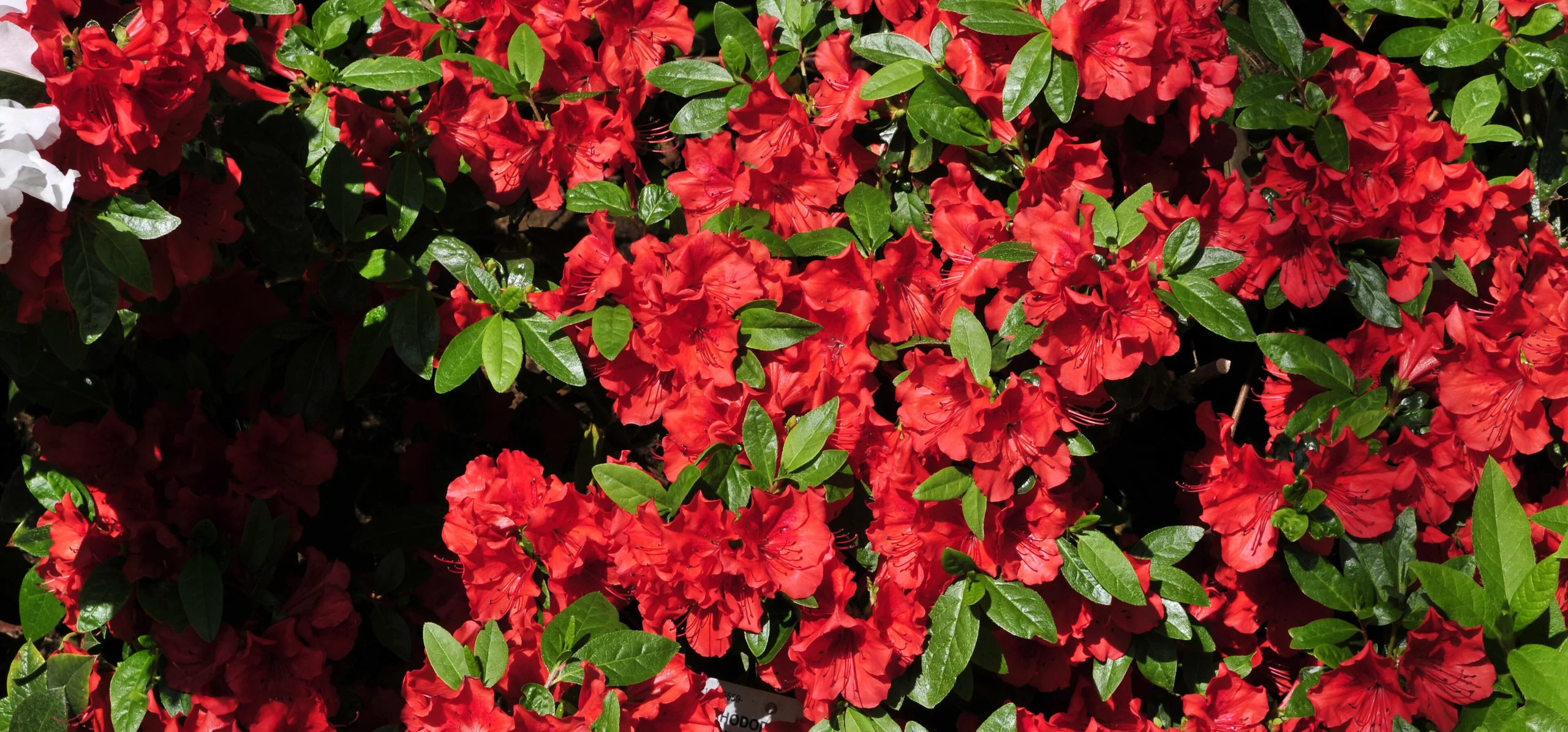
Indian Azalea
Rhododendron indicum
Family · Ericaceae
Rhododendron indicum (Satsuki azalea) care: acidic soil at pH 4.6-6, watering rhythm, pruning right after flowering, lace bug control, and toxicity to pets.
Rhododendron indicum
Plant profile
- WateringHighWater every 7 days
- Light exposureIndirect light
- Hardiness zoneUSDA 7–8
Growth
- Family
- Ericaceae
- Life cycle
- Perennial
- Growth speed
- 3/10
- Mature size
- 61–91 cm
- Spread
- 61–91 cm
- Flowering
- Dense flush of funnel-shaped flowers in late spring
- Propagation
- Cutting
- Layering
- Grafting
DormancyEvergreen to semi-evergreen, no true winter dormancy
Time to maturitySeveral years, slow growth
Soil & climate
- Soil pH
- pH 4.6–6
- Soil types
- loam
- Drought tolerance
- No
Light & Placement
- Origin
- Japan (western and central Honshu, Kyushu)
- Where to place it
- Not a houseplant; only brief indoor display for bonsai shows
- Partial shade under taller trees
- Sheltered east-facing spot, out of afternoon sun and drying wind
- Bonsai training pot or tray with strong drainage
- Large container filled with acidic, well-draining mix
Safety
- Toxicity
- CatsToxic
- DogsToxic
- HorsesToxic
- HumansToxic
Data fromGBIF Backbone Taxonomy: Rhododendron indPlants of the World Online (Kew): RhododASPCA: Toxic and Non-Toxic Plants, AzaleNC State Extension Gardener Plant ToolboMississippi State University Extension: University of Georgia Extension: Azalea
Where it grows
World distribution
Indian Azalea is native to a single country: Japan.GBIF records 2,521 documented identifications across 43 countries, with the largest concentrations in Japan, Portugal, and Brazil.
- Japan
Yellow to orange dots: concentration of documented identifications per country. Green countries: sourced native range. Source: GBIFNative range from POWO (Kew).
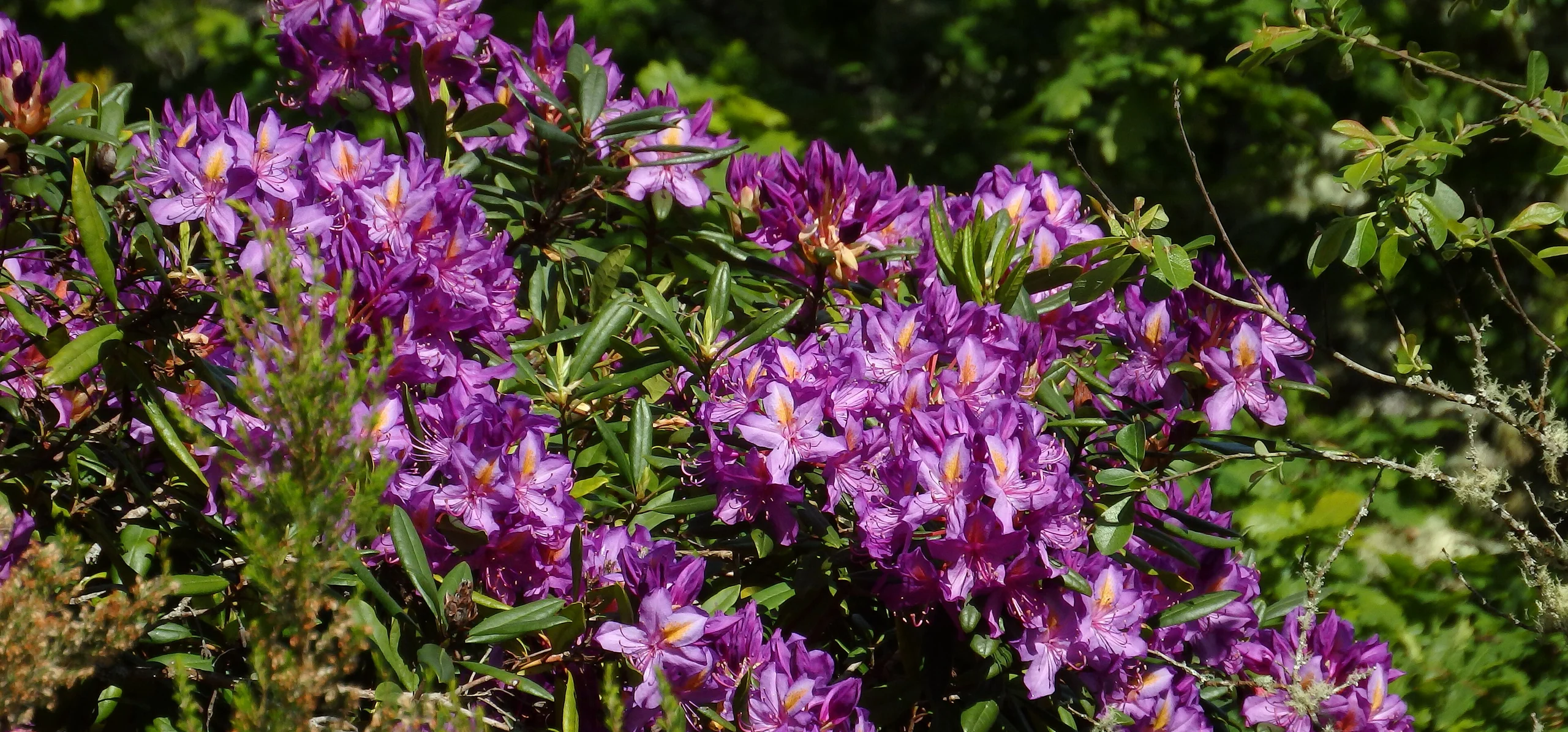
Rhododendron indicum reaches most Western gardens and bonsai benches under an older name, Satsuki azalea, and stays low and dense: an evergreen to semi-evergreen shrub rarely taller than a metre, with small glossy leaves and a single, dense flush of funnel-shaped flowers in late spring. Two things decide whether it thrives: acidic soil that never fully dries out, and a pruning cut made within weeks of the last flower fading, not months later. It is the azalea bonsai growers reach for first, prized for backbudding on old wood and for flowers that can smother the whole canopy for two weeks. It is also one of the azaleas the ASPCA lists as toxic to cats, dogs, and horses, so site it where pets cannot graze on fallen petals or pruned branches.
A Japanese Species Behind the Trade Names
GBIF records the accepted name as Rhododendron indicum (L.) Sweet, in the heath family Ericaceae, and Plants of the World Online places its native range in Japan, on western and central Honshu and on Kyushu. Nurseries and older bonsai literature also call it Satsuki azalea (satsuki refers to the fifth lunar month, when it flowers), Southern Indian azalea, or Indian azalea, and GBIF logs Azalea indica L. among its many historic synonyms; azalea and rhododendron were treated as separate genera until the nineteenth century, which is why so many of its names still start with Azalea rather than Rhododendron.
Soil That Stays Acidic and Never Dries Out
Mississippi State University Extension puts the target range at pH 4.6 to 6.0, and this is not a detail to skip: in neutral or alkaline soil the roots cannot take up iron and the leaves yellow between the veins within a season. Work in an acidic, high-organic mix, pine bark fines, leaf mould, or a peat-based bonsai substrate for potted specimens, and keep it consistently moist. NC State Extension notes the species tolerates neither heavy, waterlogged soil nor drought: a rootball that dries out even once can scorch leaf edges and cut short the next flower flush, while standing water invites Phytophthora root rot.
Light and Placement
NC State Extension rates it for partial shade, roughly two to six hours of direct sun a day; morning sun with afternoon shade produces the densest flowering without scorching the foliage. Full, unbroken sun in hot summer climates bleaches the flower colour and stresses the shallow, fibrous roots, while deep shade thins the canopy and cuts bloom count. Under taller trees or against an east-facing wall, sheltered from drying wind, is the classic Satsuki spot in both Japanese gardens and Western ones.


Watering Through the Seasons
Mississippi State Extension figures roughly one inch of rainfall equivalent every seven to ten days as a baseline, applied deeply and infrequently rather than little and often. In containers or as bonsai the rootball is smaller and dries faster, so check it every one to two days through summer heat, and use soft or rain water where possible: this species is sensitive to the chlorine and dissolved minerals in hard tap water, which build up in an acidic mix over a season and push the pH back up. Cut back sharply once autumn cools the days, watering only enough to keep the mix from fully drying.
Feeding an Acid Lover
Use a fertiliser formulated for acid-loving plants, the same product sold for camellias and blueberries works, applied lightly from the flush of new growth after flowering through mid-summer, then stopped so the wood can harden before autumn. A plant fed hard or fed late pushes soft new growth that lace bugs and frost both exploit. Bonsai in small pots benefit from a weaker, more frequent dose rather than the full-strength label rate, since there is far less soil to buffer a mistake.
Pruning and Bonsai Training Right After Flowering
Flower buds for next spring form on this year's new wood during summer, so the pruning window is narrow: cut back and shape within two to three weeks of the last flower dropping, never in autumn or winter. A late cut removes next year's buds along with the wood, and the plant simply skips a season of bloom. This is also the moment Satsuki bonsai growers wire and structure new shoots, since the tree backbuds reliably along old wood after a hard prune, one reason it remains a staple training species even for growers who never let it flower on schedule.
Lace Bug and Other Problems
The azalea lace bug, Stephanitis pyrioides, feeds on the underside of leaves and leaves a tell-tale pattern on top: fine white stippling, with black flecks of frass visible once the leaf is turned over. University of Georgia Extension notes it runs several generations a year in warm climates, with damage building from spring through summer, so check leaf undersides regularly rather than waiting for stippling to become obvious from above. NC State Extension also lists leafminers, scale, mites, aphids, borers, and whiteflies as recurring pests, alongside Phytophthora root rot, crown rot, canker, powdery mildew, and leaf spot, most of which trace back to soil that stays too wet or too dry.
Toxic to Cats, Dogs, and Horses
The ASPCA lists azalea as toxic to dogs, cats, and horses, the toxic principle being grayanotoxin, present in the leaves, flowers, bark, and sap. Reported signs include vomiting (not seen in horses), diarrhoea, weakness, and in severe cases cardiac failure. NC State Extension classes it as a low-severity poisoning risk for people, meaning a small accidental taste is unlikely to cause serious harm, but keep fallen flowers and pruned cuttings out of reach of pets and small children regardless, and call a vet or the ASPCA poison line if a pet chews on more than a leaf or two.
Test your plant knowledge
Tap a card to flip it and reveal the answer.
Rhododendron indicum needs strongly acidic soil, roughly pH 4.6 to 6.0, to grow well. Tap to reveal ✓ True
Satsuki azalea bonsai should be pruned in late autumn or winter, once the plant has slowed down. Tap to reveal ✕ False
This azalea tolerates dry soil well and can go without water for extended periods. Tap to reveal ✕ False
Azalea lace bugs feed on the underside of leaves, leaving white stippling visible on top. Tap to reveal ✓ True
The ASPCA lists azalea as toxic to cats, dogs, and horses. Tap to reveal ✓ True
Sources
References consulted for this guide
- GBIF Backbone Taxonomy: Rhododendron indicum (L.) Sweetgbif.org
- Plants of the World Online (Kew): Rhododendron indicumpowo.science.kew.org
- ASPCA: Toxic and Non-Toxic Plants, Azaleaaspca.org
- NC State Extension Gardener Plant Toolbox: Rhododendron indicum (Southern Indian Azalea)plants.ces.ncsu.edu
- Mississippi State University Extension: Azaleas for the Landscapeextension.msstate.edu
- University of Georgia Extension: Azalea Lace Bug (Stephanitis pyrioides)extension.uga.edu
- Reference entity : Wikipédiaen.wikipedia.org