Pineapple
Ananas comosus
Family · Bromeliaceae
Root a pineapple crown, choose full sun or bright light, expect 14 to 24 months to flowering, and force fruiting with the ripe-apple ethylene trick.
Ananas comosus
Plant profile
- WateringModerateWater every 7 days
- Light exposurePartial sun
- Ideal temperature10–32 °C
- Hardiness zoneUSDA 10–12
Growth
- Family
- Bromeliaceae
- Life cycle
- Perennial
- Growth speed
- 3/10
- Mature size
- 90–120 cm
- Spread
- 90–120 cm
- Flowering
- Summer, one spike then a single fruit per rosette
- Propagation
- Cutting
- Offsets
Dormancyevergreen rosette, little true dormancy, growth slows in cool weather
Time to maturity14-24 months to first flower, plus 5-7 months for the fruit to ripen
Soil & climate
- Soil pH
- pH 4.5–6.5
- Soil types
- sand, loam
- Saline soil
- Partially tolerated
- Drought tolerance
- No
Light & Placement
- Origin
- Costa Rica to South Tropical America
- Where to place it
- Sunny south- or west-facing window
- Bright spot out of harsh midday sun
- Full sun bed in a frost-free garden
- Sheltered sunny patio in summer
- 3 to 7 gallon free-draining container
Safety
- Toxicity
- HumansToxic
Invasive speciesnot reported as invasive; propagates locally by suckers rather than spreading widely
Data fromAnanas comosus (L.) Merr., GBIF BackboneAnanas comosus (L.) Merr., Plants of theNC State Extension Gardener Plant ToolboUF/IFAS EDIS MG055: Pineapple Growing inRHS: Ananas comosus var. variegatus (var
Where it grows
World distribution
Pineapple is native to 13 countries: Argentina, Bolivia, Brazil, Colombia, Costa Rica, Ecuador, French Guiana, and Guyana….GBIF records 9,277 documented identifications across 132 countries, with the largest concentrations in Brazil, Colombia, and Venezuela.
- Argentina
- Bolivia
- Brazil
- Colombia
- Costa Rica
- Ecuador
- French Guiana
- Guyana
- Panama
- Paraguay
- Peru
- Suriname
- Venezuela
Yellow to orange dots: concentration of documented identifications per country. Green countries: sourced native range. Source: GBIFNative range from POWO (Kew).
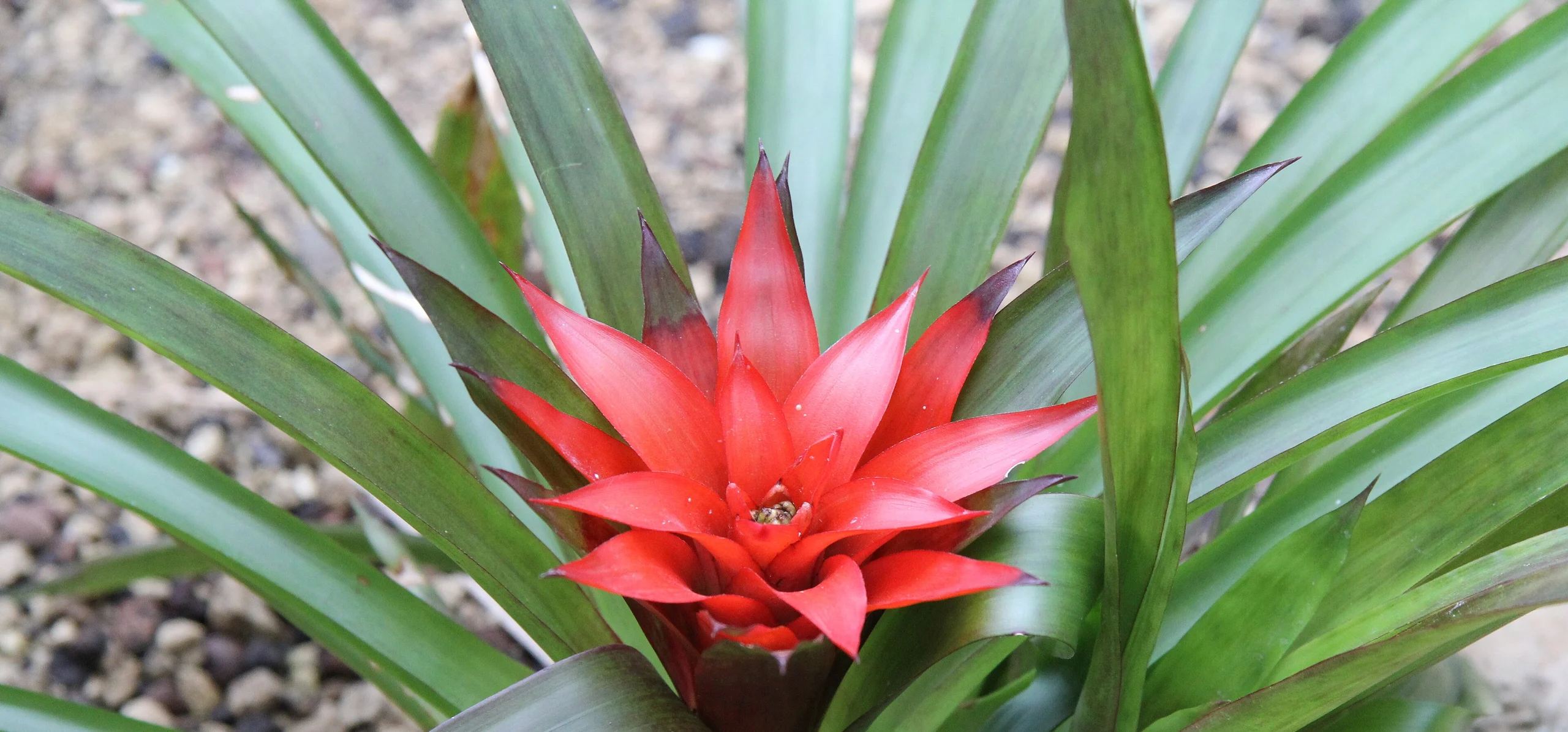
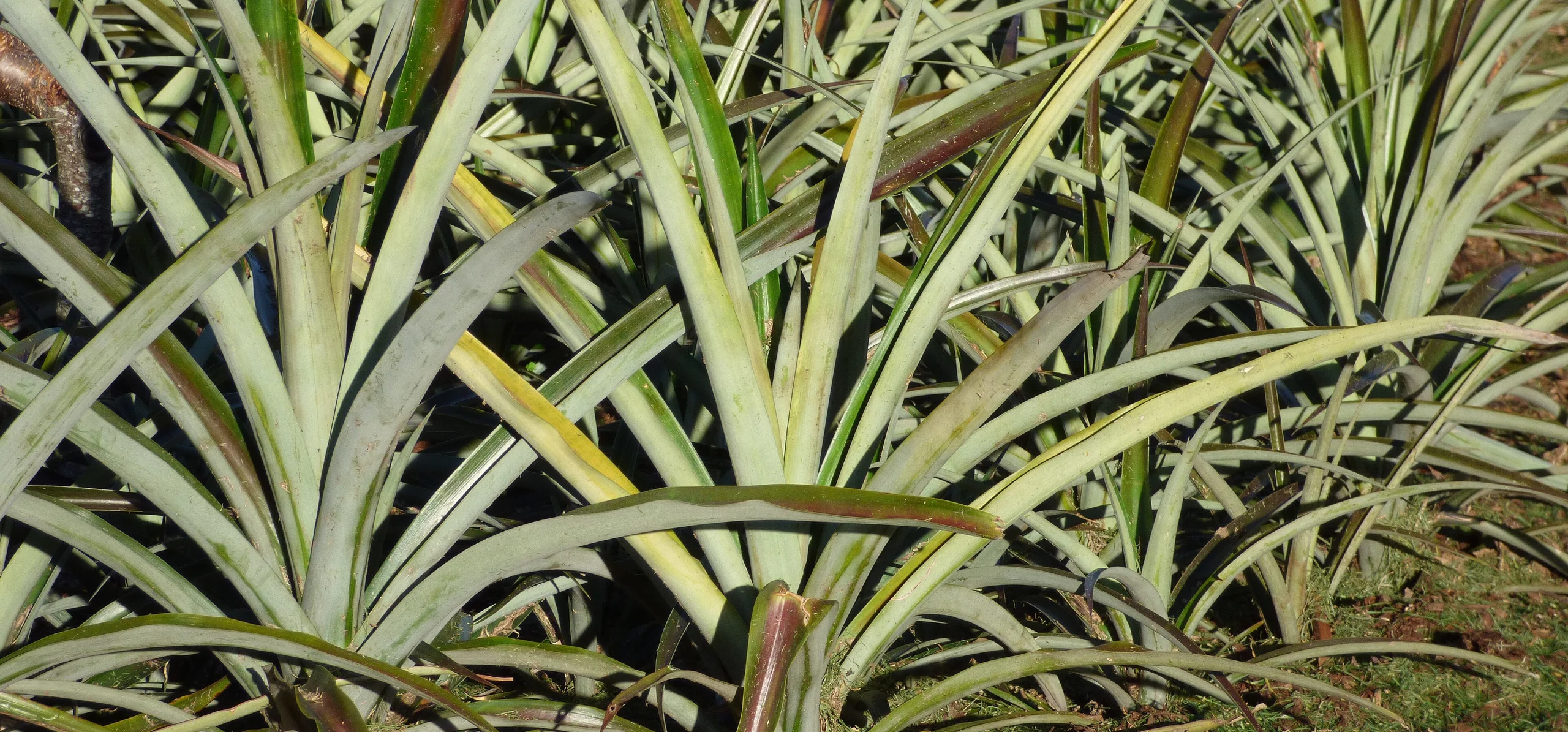
A pineapple (Ananas comosus) grown from the leafy crown of a supermarket fruit is a real plant, not a novelty: given full sun or bright light, well-drained soil, and patience, that crown roots within a few weeks and can flower and fruit in 14 to 24 months. It is a bromeliad, so it tolerates missed waterings far better than constant sogginess, and it will not survive a frost. The first sign of success is not a fruit but a new spear-shaped leaf pushing pale green from the center of the rosette, hardening and darkening over the following weeks. Everything below covers how to start one, keep it alive through the wait, and push it into flower on your own schedule instead of waiting on the plant's.
Starting a New Plant from the Crown
Twist or cut the leafy top off a ripe pineapple, leaving a little flesh, then trim that flesh away so no pulp remains to rot. Strip the bottom inch or two of leaves to expose a ring of root buds, and let the cut end air-dry and callus for two to three days in a shaded spot, since planting it wet invites rot. Set it in water with just the base submerged, or straight into a small pot of free-draining, slightly acidic mix, and keep it warm and out of direct sun until roots and a new central leaf appear, usually within four to eight weeks. Suckers taken from the base of a mature plant, or the smaller "slips" that grow along the fruit stalk, root faster than a crown and shorten the wait to a first fruit.
How Long to Fruit, and Forcing Flowering
Left to its own pace, a pineapple grown from a crown needs roughly 14 to 24 months of steady growth before it flowers on its own, usually triggered by the cooler, shorter days of autumn or a spell of drought. Plants started from suckers or slips, which begin larger, generally fruit somewhat sooner. Once a flower spike does appear, the fruit itself takes another five to seven months to ripen. Growers who do not want to wait can force flowering with ethylene gas: enclose the whole plant in a clear plastic bag with a ripe apple, or a few apple slices, tucked into the center of the rosette for about a week, kept out of direct sun. Remove the bag afterward and resume normal care; a flower spike typically follows within about two months if the plant is mature and healthy enough to respond.
Light and Placement
Outdoors, full sun gives the strongest growth and the sweetest fruit. Indoors, a south- or west-facing window with bright light works better than harsh midday sun straight through glass, which can scorch the leaf tips; a spot with bright, indirect light for most of the day is safer for a windowsill plant. A potted pineapple appreciates a summer outdoors, but acclimate it gradually over a week or two rather than moving it straight from indoor shade into full midday sun.


Soil and Potting
Pineapples want sandy or organically rich soil that drains fast and sits on the acidic side, roughly pH 4.5 to 6.5; heavier, poorly drained ground is the single most common reason a homegrown plant rots at the base instead of fruiting. A 3- to 7-gallon container is enough for a full-size plant, and repotting is rarely needed, since each rosette flowers once and is then replaced by its own suckers rather than growing indefinitely in the same pot.
Watering and Feeding
Keep the soil consistently moist through active growth, but let the top couple of centimeters dry before watering again. A pineapple left sitting in wet, airless soil develops heart rot or base rot long before it develops a fruit, so err toward slightly dry rather than saturated. Feed a diluted, balanced fertilizer roughly every six to eight weeks during the growing season, increasing the amount gradually as the plant matures and easing off once a flower spike is visible.
Growing Outdoors in Frost-Free Gardens
Pineapple is reliably hardy only in USDA zones 10 to 12. Anywhere colder, treat it as a container plant that summers outside and comes back in before nights drop toward 50 °F (10 °C), since growth stalls in the cold and a hard frost near 28 °F (-2 °C) kills the plant outright. In the ground, space plants roughly 1 to 3 feet apart, more for larger fruiting types grown for maximum fruit size. A plant also usually throws a second, smaller "ratoon" crop from its own sucker after the first fruit is cut, so a bed planted once can keep producing for a few more years.
Ornamental Varieties
Most homegrown crowns come from a plain fruiting type such as 'Smooth Cayenne' or the modern, nearly spineless 'MD-2', both grown for the fruit rather than the foliage. For a plant grown mainly to look at, Ananas comosus var. variegatus carries broad cream stripes down each spiny leaf, flushing pink in strong light, and produces a smaller, deep red fruit that is still edible; it stays more compact than a standard pineapple and suits a large decorative pot better than open ground.
Pests and Diseases
Watch for mealybugs and scale clustering in the leaf axils and around a developing fruit, along with spider mites in dry indoor air and root-feeding nematodes outdoors; a strong stream of water or insecticidal soap handles light infestations before they spread. The diseases actually worth worrying about, heart rot, black rot, and base rot, are all wet-soil problems, so good drainage, spacing for airflow, and clean, sterile tools when dividing suckers prevent far more trouble than any spray applied after the fact.
Test your plant knowledge
Tap a card to flip it and reveal the answer.
A pineapple grown from a crown typically takes well over a year to produce its first fruit. Tap to reveal ✓ True
Sealing a pineapple plant in a bag with a ripe apple can help trigger flowering. Tap to reveal ✓ True
Pineapples grow best in constantly soggy, waterlogged soil. Tap to reveal ✕ False
Pineapple is officially listed as toxic to cats and dogs by the ASPCA. Tap to reveal ✕ False
A hard frost can kill a pineapple plant outright. Tap to reveal ✓ True
Sources
References consulted for this guide
- Ananas comosus (L.) Merr., GBIF Backbone Taxonomygbif.org
- Ananas comosus (L.) Merr., Plants of the World Online (Kew)powo.science.kew.org
- NC State Extension Gardener Plant Toolbox: Ananas comosusplants.ces.ncsu.edu
- UF/IFAS EDIS MG055: Pineapple Growing in the Florida Home Landscapeask.ifas.ufl.edu
- RHS: Ananas comosus var. variegatus (variegated pineapple)rhs.org.uk
- Reference entity : Wikipédiaen.wikipedia.org