Cherry Plum
Prunus cerasifera
Family · Rosaceae
Grow cherry plum for its early spring blossom and purple-leaved cultivars: full sun, summer-only pruning, and small plum-like fruit ready by late summer.
Prunus cerasifera
Plant profile
- WateringModerateWater every 10 days
- Light exposurePartial sun
- Ideal temperature-20–-15 °C
- Hardiness zoneUSDA 5–8
Growth
- Family
- Rosaceae
- Life cycle
- Perennial
- Growth speed
- 7/10
- Mature size
- 400–1200 cm
- Spread
- 400–800 cm
- Flowering
- Early spring, white or pale pink blossom as the leaves open
- Propagation
- Seed
- Cutting
- Grafting
Dormancydeciduous, dormant in winter
Time to maturityreaches ultimate size in about 20 to 50 years (RHS); flowers within a few years of planting
Soil & climate
- Soil types
- chalk, clay, loam, sand
- Drought tolerance
- No
Light & Placement
- Origin
- SE Europe to Central Asia and the Himalaya
- Where to place it
- open sunny garden or lawn specimen
- informal or clipped hedge
- sheltered border away from strong wind
- large container while young, before it outgrows one
Safety
- Toxicity
- Not listed by the ASPCA; Prunus leaves and pits contain cyanogenic compounds
- Pet safe
- No
Invasive speciesnot officially listed as invasive; Missouri Botanical Garden notes it has escaped cultivation and naturalized in parts of the northeastern and western United States
Data fromGBIF Backbone Taxonomy: Prunus cerasiferPlants of the World Online (Kew): PrunusRHS: Prunus cerasifera (cherry plum)Missouri Botanical Garden Plant Finder: RHS: Silver leaf
Where it grows
World distribution
Cherry Plum is native to 23 countries: Afghanistan, Albania, Bhutan, Bulgaria, China, Croatia, Georgia, and Greece….GBIF records 150,310 documented identifications across 86 countries, with the largest concentrations in United Kingdom, Denmark, and France.
- Afghanistan
- Albania
- Bhutan
- Bulgaria
- China
- Croatia
- Georgia
- Greece
- India
- Iran
- Iraq
- Kazakhstan
Show 11 more countriesShow fewer countries
- Kyrgyzstan
- Lebanon
- Nepal
- Pakistan
- Romania
- Russia
- Tajikistan
- Türkiye
- Turkmenistan
- Ukraine
- Uzbekistan
Yellow to orange dots: concentration of documented identifications per country. Green countries: sourced native range. Source: GBIFNative range from POWO (Kew).
Buy a tree labeled Prunus cerasifera at most nurseries and you are usually getting a purple-leaved cultivar such as 'Nigra' or 'Pissardii', not the plain green wild cherry plum native from southeastern Europe through Central Asia. Both forms share the same fast, tough constitution: a small, sometimes spiny deciduous tree that flowers before most of the garden has woken up, tolerates almost any soil short of a waterlogged one, and asks for very little feeding. The one habit that catches new owners out is pruning timing, since a winter cut invites the same bark diseases that trouble every stone fruit.
Straight Species and Purple-Leaved Cultivars
The wild species, native from southeastern Europe through Central Asia and the Himalaya, is a green-leaved, sometimes thorny tree grown today mostly in hedgerows and windbreaks. Missouri Botanical Garden notes that the plain species is uncommon in commerce compared with its ornamental offspring: 'Nigra' (black cherry plum) and 'Pissardii' carry deep purple to near-black foliage through the whole season, opening bronze-red in spring before darkening, and both flower pale pink rather than the pure white of the species. Because these cultivars are grafted clones, any shoot pushing up from below the graft union reverts to plain green leaves; remove it as soon as you spot it or it will eventually outcompete the purple top growth.
Site, Soil and Planting
Give it full sun for the best flowering and the deepest leaf color on purple cultivars, though it also tolerates a degree of shade. It is genuinely unfussy about soil: the RHS lists chalk, clay, loam and sand as all suitable, with acid, neutral or alkaline pH, provided drainage is reasonable rather than waterlogged. Plant a bare-root or containerized tree during the dormant season, from late autumn to late winter, in a spot sheltered from strong, drying wind. As a free-standing specimen it can eventually reach 8 to 12 m with a spread the RHS records as wider than 8 m, though most garden specimens stay closer to 4 to 9 m; trimmed hard as a hedge it can be kept at a fraction of that size and still flowers along the clipped stems.
Blossom and Pollination
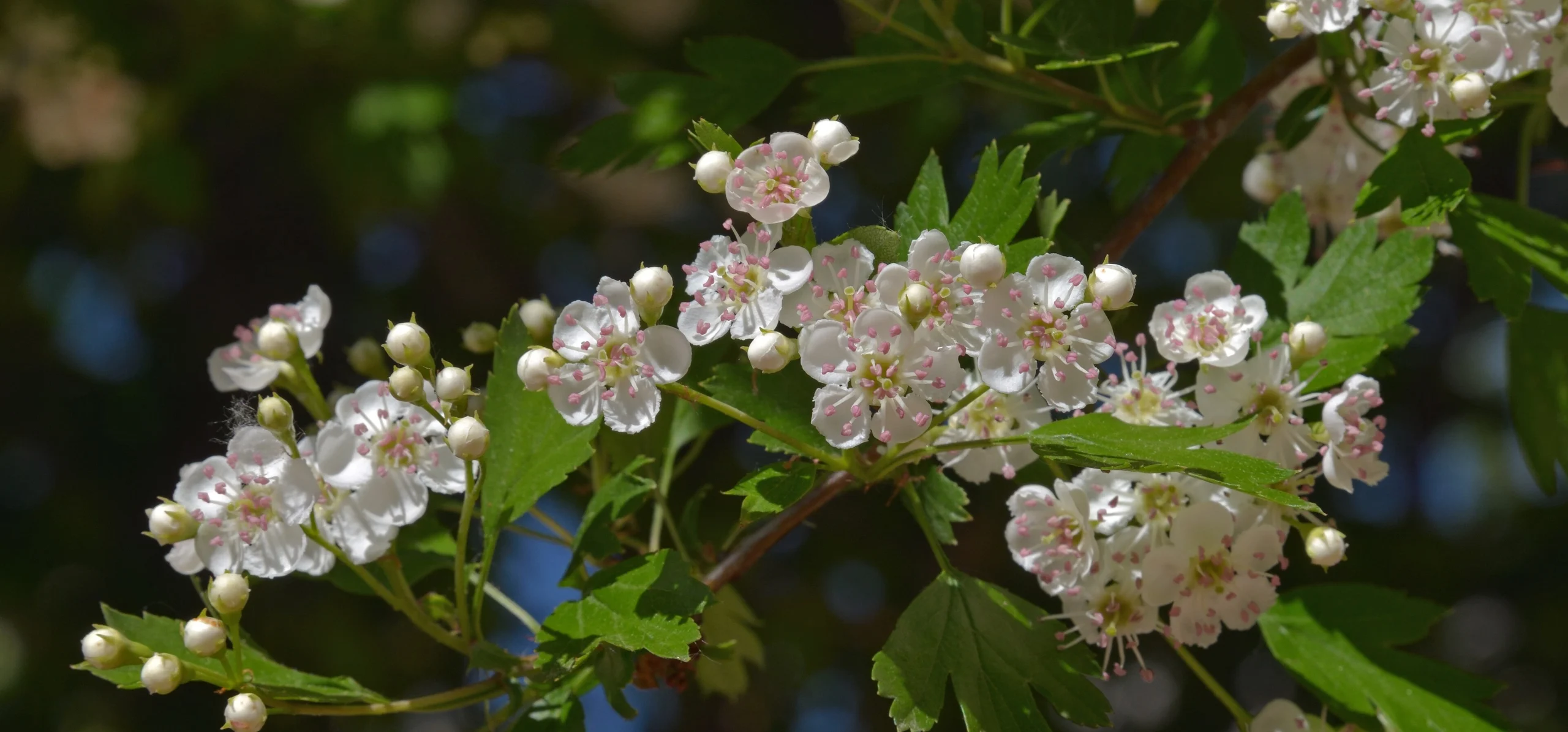
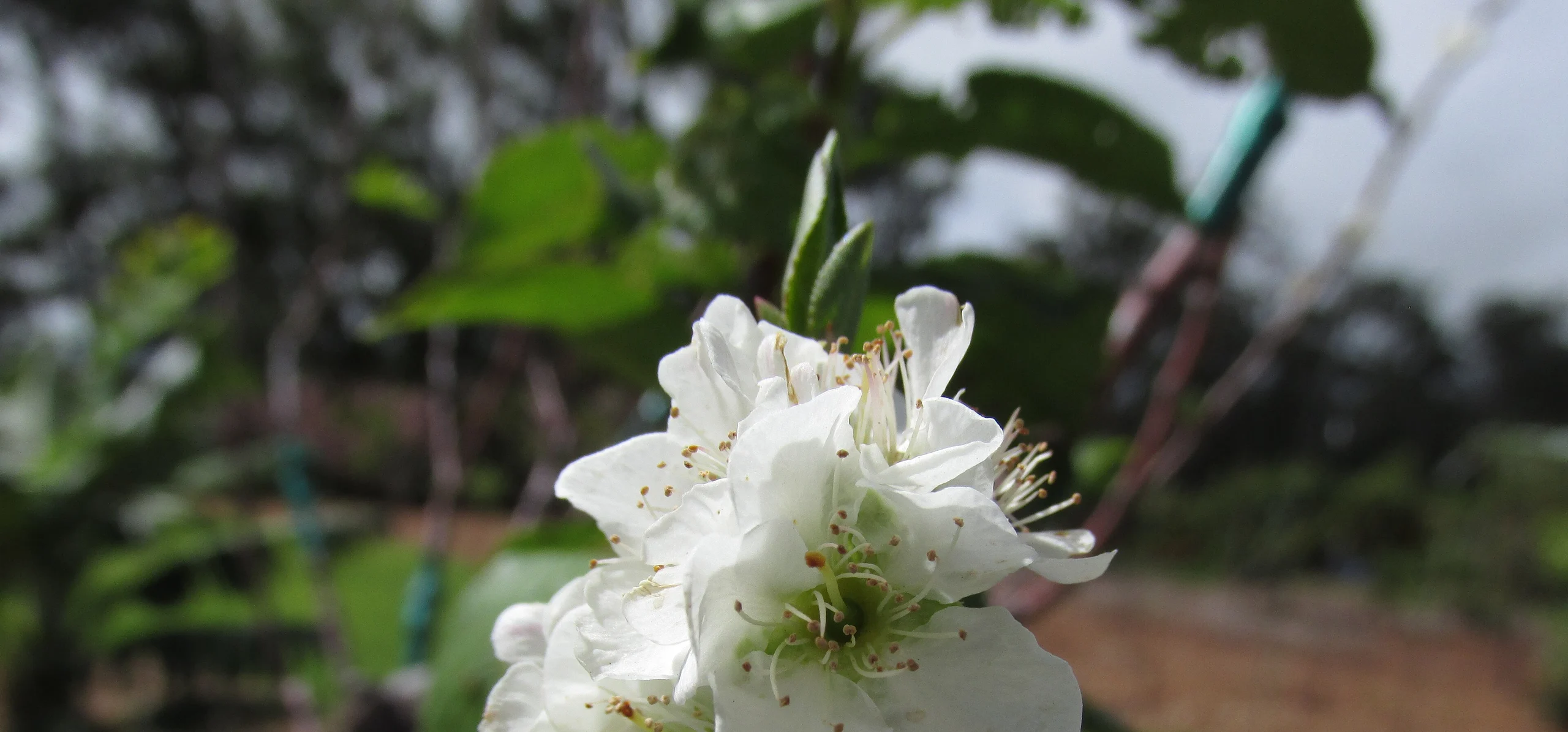
Flowering happens in early spring, with small, fragrant, mostly solitary white flowers opening as the first leaves unfurl, per RHS records; on purple-leaved cultivars the pale pink blossom stands out sharply against the dark, newly opening foliage. The RHS lists it among plants recommended for pollinators, and a tree in flower on a mild day draws in some of the first foraging bees of the year, when little else nearby is blooming yet. A cold snap during the bloom window can knock back that year's fruit set on the species and other fruiting forms, though the purple ornamental cultivars are grown mainly for flower and foliage rather than for a fruit crop.


Watering and Feeding
A newly planted tree needs a deep soak roughly once a week through its first one or two summers while the roots establish. After that, Missouri Botanical Garden rates its water need as medium, meaning it largely manages on rainfall in an average temperate climate and only needs supplemental water in an extended dry spell or while fruit is swelling on fruiting forms. Feeding needs are light: a spring mulch of garden compost around, not against, the trunk supplies most of what it needs, and heavy nitrogen feeding mainly produces soft growth that draws aphids and can worsen canker infection at pruning cuts.
Pruning: Summer Only, Never Winter
Like every Prunus, cherry plum is vulnerable to silver leaf and bacterial canker, both of which infect the tree through fresh cuts during cool, damp weather. Prune between roughly June and August, when wounds callus over fastest and airborne spores are scarcest, and avoid cutting between autumn and early spring altogether. The RHS places it in pruning group 1, meaning a young tree needs only light formative shaping, removing dead, damaged or crossing wood, while an established specimen or hedge needs little beyond an annual summer trim to hold its shape. Bacterial canker shows as sunken, gummy patches on the bark and small round holes in the leaves known as shothole; cut affected wood back into clean tissue as soon as you see it, since no chemical cure is available to home gardeners.
Fruit: From Blossom to Kitchen
Where the tree sets fruit, small plum-like fruits about 2.5 cm across ripen through summer in shades of red, orange or yellow, according to the RHS. Missouri Botanical Garden describes the wild species' fruit as sweet but fairly bland, one reason breeders favored the ornamental purple forms over the plain species for most garden use. Fruit is ready to pick once it has colored fully and gives slightly under gentle pressure; on a tree carrying a heavy set, thinning small or damaged fruitlets in early summer improves the size and flavor of what remains. The ripe fruit suits jams, cordials and the hedgerow-foraged plum gins that use its other common name, myrobalan plum.
Pests and Diseases
Beyond canker and silver leaf, Missouri Botanical Garden lists a long roster of possible problems: black knot, leaf spot, dieback, peach leaf curl, powdery mildew, root rot and fireblight among the diseases, and borers, aphids, scale, leafhoppers, caterpillars, tent caterpillars, Japanese beetles and spider mites among the insect pests. Few trees suffer from all of these at once, but a specimen already stressed by waterlogged soil or a badly timed pruning cut is far more likely to pick up several together. Good drainage, a summer-only pruning schedule and reasonable spacing for air movement through the canopy head off most of the list before it starts.
Toxicity: Leaves, Pits and Pets
The ASPCA does not carry a listing specifically for Prunus cerasifera or cherry plum. That is not the same as a clean bill of health: across the wider Prunus genus, wilting leaves and the kernel inside the fruit pit contain cyanogenic compounds that release cyanide when damaged or chewed, and the ASPCA does list several close relatives, including cultivated plum, as toxic on that basis. Treat fallen leaves after a storm and any dropped fruit pits the same way you would for other stone fruit: raked up and kept away from dogs, horses and grazing pets rather than left under the tree.
Test your plant knowledge
Tap a card to flip it and reveal the answer.
Cherry plum is usually pruned in summer rather than winter. Tap to reveal ✓ True
Prunus cerasifera flowers only after all its leaves have fully opened. Tap to reveal ✕ False
The ASPCA lists Prunus cerasifera by name as toxic to dogs and cats. Tap to reveal ✕ False
Purple-leaved cultivars such as 'Nigra' and 'Pissardii' are grown far more often than the plain green wild species. Tap to reveal ✓ True
Cherry plum tolerates a wide range of soils, from chalk and clay to sand. Tap to reveal ✓ True
Sources
References consulted for this guide
- GBIF Backbone Taxonomy: Prunus cerasifera Ehrh.gbif.org
- Plants of the World Online (Kew): Prunus cerasifera Ehrh.powo.science.kew.org
- RHS: Prunus cerasifera (cherry plum)rhs.org.uk
- Missouri Botanical Garden Plant Finder: Prunus cerasiferamissouribotanicalgarden.org
- RHS: Silver leafrhs.org.uk
- Reference entity : Wikipédiaen.wikipedia.org