Black Locust
Robinia pseudoacacia
Family · Fabaceae
Black locust tolerates poor soil and drought but suckers hard: how to site it, prune it, harvest the honey flow, and keep bark and seeds away from pets.
Robinia pseudoacacia
Plant profile
- WateringVery littleWater every 14 days
- Light exposureFull sun
- Hardiness zoneUSDA 3–8
Growth
- Family
- Fabaceae
- Life cycle
- Perennial
- Growth speed
- 8/10
- Mature size
- 900–2500 cm
- Spread
- 600–1100 cm
- Flowering
- Fragrant white racemes in late spring, a major honey source
- Propagation
- Seed
- Cutting
- Division
Dormancydeciduous, bare in winter
Time to maturityflowers within 5-6 years from seed
Soil & climate
- Soil types
- sand, loam, clay, poor or disturbed soils
- Drought tolerance
- Yes
Light & Placement
- Origin
- Appalachian Mountains and Interior Highlands, eastern USA
- Where to place it
- open field
- bank or slope
- roadside
- reclaimed or disturbed ground
Safety
- Toxicity
- CatsToxic
- DogsToxic
- HorsesToxic
- HumansToxic
Invasive speciesspreads aggressively by root suckers; classed as invasive across much of Central and Western Europe
Data fromGBIF Backbone Taxonomy: Robinia pseudoacPlants of the World Online (Kew): RobiniMissouri Botanical Garden Plant Finder: ASPCA: Locust toxicity to pets and horseCABI Invasive Species Compendium: Robini
Where it grows
World distribution
Black Locust is native to a single country: United States.GBIF records 512,323 documented identifications across 93 countries, with the largest concentrations in France, Germany, and United States.
- United States
Yellow to orange dots: concentration of documented identifications per country. Green countries: sourced native range. Source: GBIFNative range from POWO (Kew).
A young black locust (Robinia pseudoacacia) planted in poor, disturbed soil can reach several meters in five years and start flowering soon after, which is exactly why it has been planted on slopes, mine spoil and roadsides worldwide for two centuries. It asks for almost nothing once established: full sun, no feeding, no watering. What it does ask of you is restraint with the pruning saw and a plan for the root suckers, because this is a tree that spreads on its own terms if you let it.
Origin: A Tree of the Appalachian Coves
Robinia pseudoacacia is native to a narrow band of the eastern United States, the southern and central Appalachians and the Interior Highlands, from Pennsylvania and southern Ohio south to Georgia and Alabama. It was carried to Europe at the start of the 17th century, first planted in the Jardin des Plantes in Paris in 1601, and has since naturalized across much of the temperate world. In Central Europe it is now classed among the most successful invasive woody plants on the continent, prized for timber and bees in the same regions where conservationists work to keep it out of dry grassland.
Siting and Planting
Give it full sun and do not waste good soil on it: black locust does best on average to poor, well-drained ground and struggles in wet, compacted clay. It tolerates sand, gravel slopes and even acidic strip-mine spoil that would kill most other trees, largely because, like other members of the pea family (Fabaceae), it fixes its own nitrogen through bacteria in its root nodules. Plant bare-root trees while dormant in late winter, container-grown trees any time the ground is workable, and keep them well clear of paths, patios and drains, both for the eventual canopy and for the suckers described below. Young trees carry paired thorns at the leaf nodes, so site them away from foot traffic until the bark matures and most of the thorns are shed.
Watering and Establishment
Water a newly planted tree deeply once a week through its first growing season, then taper off. After that, black locust is one of the most drought-tolerant shade trees available and rarely needs irrigation outside an exceptional dry spell. Overwatering on heavy soil does far more damage than underwatering ever will.
How often to water your Black Locust
Pruning, Suckers and Keeping It Contained
Prune only to remove dead, damaged or crossing wood, and do it while the tree is dormant; heavy pruning in the growing season tends to trigger a fresh flush of root suckers rather than prevent them. That suckering habit is the trait to plan around. Missouri Botanical Garden advises removing suckers as soon as they appear unless naturalization is actually the goal, since established trees send up new shoots from roots that can run for meters from the trunk, especially once those roots are cut or disturbed by nearby digging. This same habit has put Robinia pseudoacacia on invasive species lists across Central and Western Europe: it forms dense root-sucker clones that shade out native grassland and dry meadow flora, so land managers there increasingly fell and grub out the roots rather than coppice. If you are planting one on purpose, choose an open site where regular mowing around the base can keep suckers in check.
Flowers and the Honey Trade
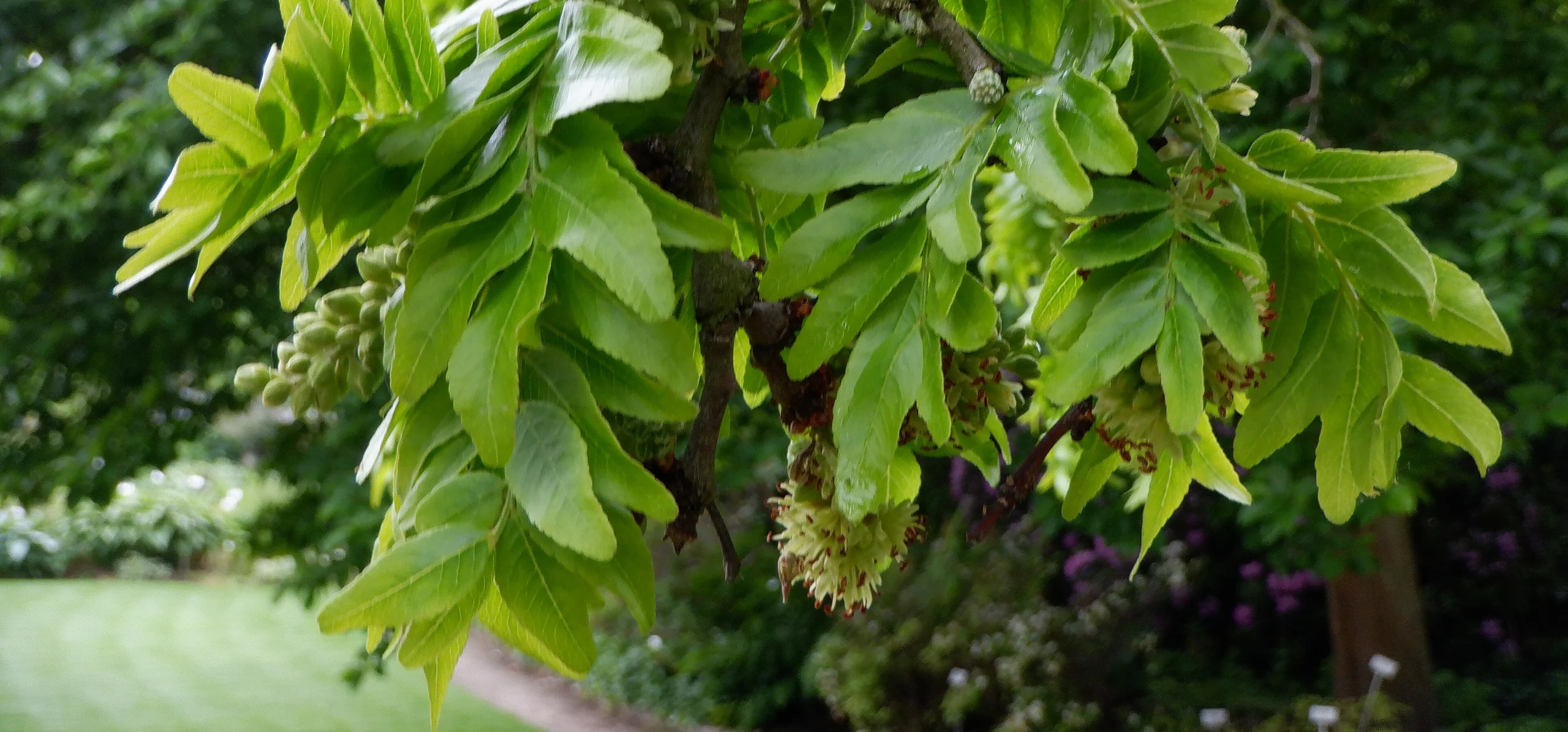
In late spring the tree opens pendant racemes of white, wisteria-like flowers with a strong, sweet scent. The bloom lasts only one to two weeks but it is intense: black locust is one of the most important nectar trees for beekeepers in both Europe and North America, and the pale, slow-crystallizing honey sold as acacia honey in French and Italian markets comes almost entirely from this species rather than from a true acacia.
Pests and Diseases
The locust borer (Megacyllene robiniae) is the tree's main enemy in North America: its larvae tunnel through trunk and branches, weakening wood that later snaps in wind, and stressed or crowded trees are hit hardest. Locust leafminer can turn a whole canopy brown by midsummer without seriously harming a healthy tree. Watch for cankers and dieback on trees planted in wet soil or deep shade, both conditions this species was never built to tolerate.
Toxicity: Bark, Seeds and Leaves
Every part of Robinia pseudoacacia except the flowers carries toxalbumins, chiefly robin and phasin, concentrated in the bark, seeds and foliage. The ASPCA lists locust as toxic to dogs, cats and horses, with signs that include vomiting, depression, weakness, laboured breathing and bloody diarrhea. The same compounds poison people: children have been sickened after chewing the bark or eating the pea-like seed pods, and cooking does not reliably neutralize the toxins. Keep horses and grazing livestock away from fallen bark and prunings, rake up seed pods before they are mistaken for edible peas, and never use the wood chips or bark as animal bedding or fodder.
Common Mistakes
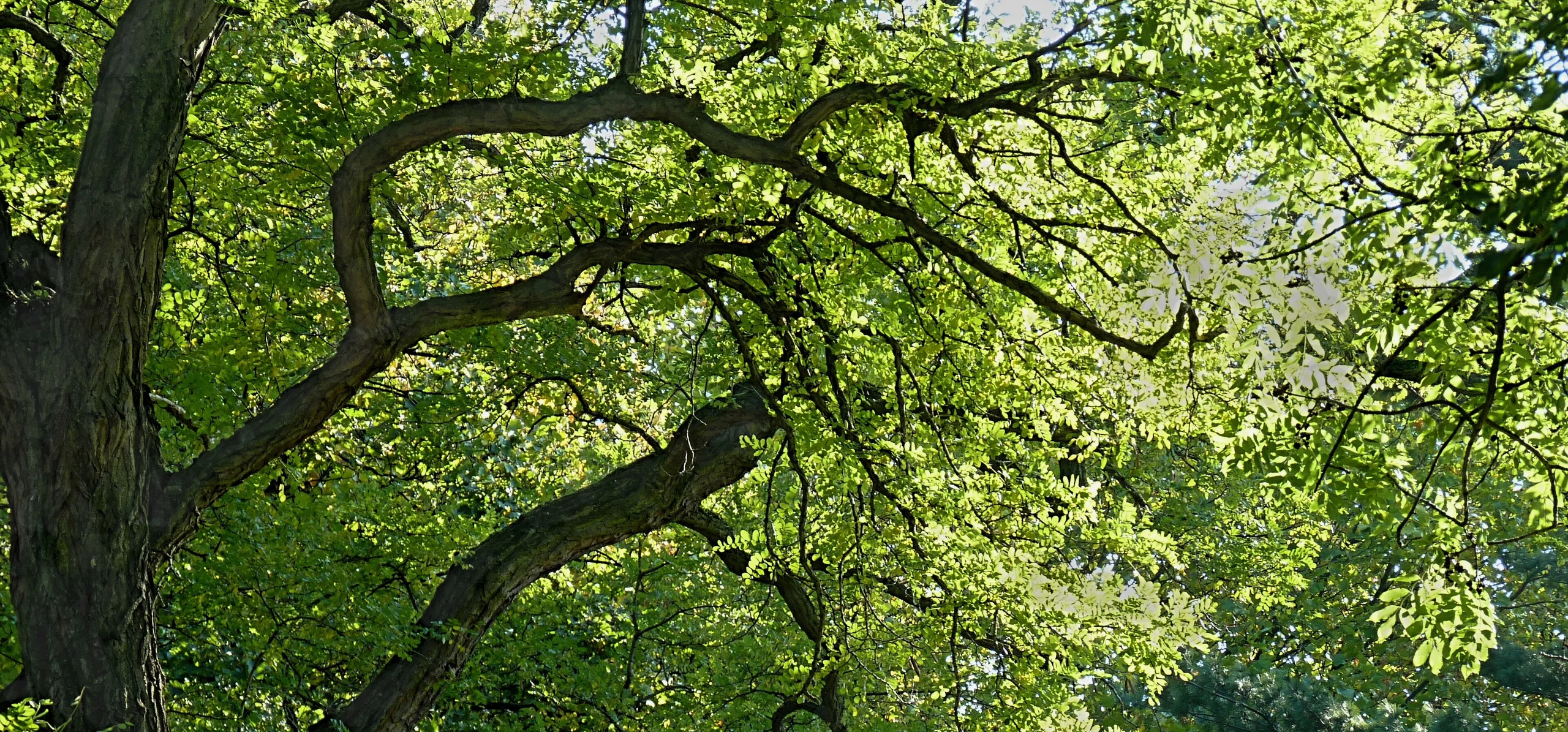
The biggest mistake is planting black locust as a specimen tree in a small, manicured garden and then fighting the suckers for the next twenty years; it belongs on a bank, a boundary or a reclamation site where its spread is an asset, not a liability. The second is pruning it hard during the growing season, which invites both borer attack on fresh wounds and a new ring of suckers. The third is assuming a young tree's thorny, weedy look is permanent: mature bark on older wood loses most of its thorns, and the tree develops a rounded, open crown that casts light, dappled shade rather than the dense cover of a maple or oak.


Test your plant knowledge
Tap a card to flip it and reveal the answer.
Black locust fixes atmospheric nitrogen through bacteria in its root nodules. Tap to reveal ✓ True
Robinia pseudoacacia is native to Europe. Tap to reveal ✕ False
The bark, seeds and leaves of black locust are toxic and should never be eaten. Tap to reveal ✓ True
Cutting or disturbing a black locust's roots can trigger a thicket of new suckers nearby. Tap to reveal ✓ True
Black locust needs full shade and constant moisture to thrive. Tap to reveal ✕ False
Sources
References consulted for this guide
- GBIF Backbone Taxonomy: Robinia pseudoacacia L.gbif.org
- Plants of the World Online (Kew): Robinia pseudoacacia L.powo.science.kew.org
- Missouri Botanical Garden Plant Finder: Robinia pseudoacaciamissouribotanicalgarden.org
- ASPCA: Locust toxicity to pets and horsesaspca.org
- CABI Invasive Species Compendium: Robinia pseudoacacia (black locust)cabi.org
- Reference entity : Wikipédiaen.wikipedia.org