Eastern Arborvitae
Thuja occidentalis
Family · Cupressaceae
Thuja occidentalis, the eastern arborvitae, is hardy in zone 2-7: pick a columnar or globe cultivar, plant in moist, alkaline soil, and guard hedges from deer.
Thuja occidentalis
Plant profile
- WateringModerateWater every 10 days
- Light exposurePartial sun
- Hardiness zoneUSDA 2–7
Growth
- Family
- Cupressaceae
- Life cycle
- Perennial
- Growth speed
- 3/10
- Mature size
- 610–1219 cm
- Spread
- 305–457 cm
- Flowering
- Non-flowering conifer; small cones, not grown for bloom
- Propagation
- Seed
- Cutting
Dormancyevergreen, minimal winter dormancy
Time to maturity10 to 20 years for common cultivars
Soil & climate
- Soil pH
- pH 6–8
- Soil types
- clay, loam, silt
- Drought tolerance
- No
Light & Placement
- Origin
- Central and eastern Canada to north-central and eastern USA
- Where to place it
- hedge or privacy screen row
- foundation planting
- windbreak or boundary line
- large container for dwarf cultivars while young
Safety
- Toxicity
- Not listed by the ASPCA; toxicity undetermined
- Pet safe
- No
Data fromGBIF Backbone Taxonomy: Thuja occidentalPlants of the World Online (Kew): Thuja Missouri Botanical Garden Plant Finder: NC State Extension Gardener Plant ToolboRHS: Thuja occidentalis 'Smaragd'
Where it grows
World distribution
Eastern Arborvitae is native to 2 countries: Canada and United States.GBIF records 51,580 documented identifications across 67 countries, with the largest concentrations in Canada, United States, and Germany.
- Canada
- United States
Yellow to orange dots: concentration of documented identifications per country. Green countries: sourced native range. Source: GBIFNative range from POWO (Kew).
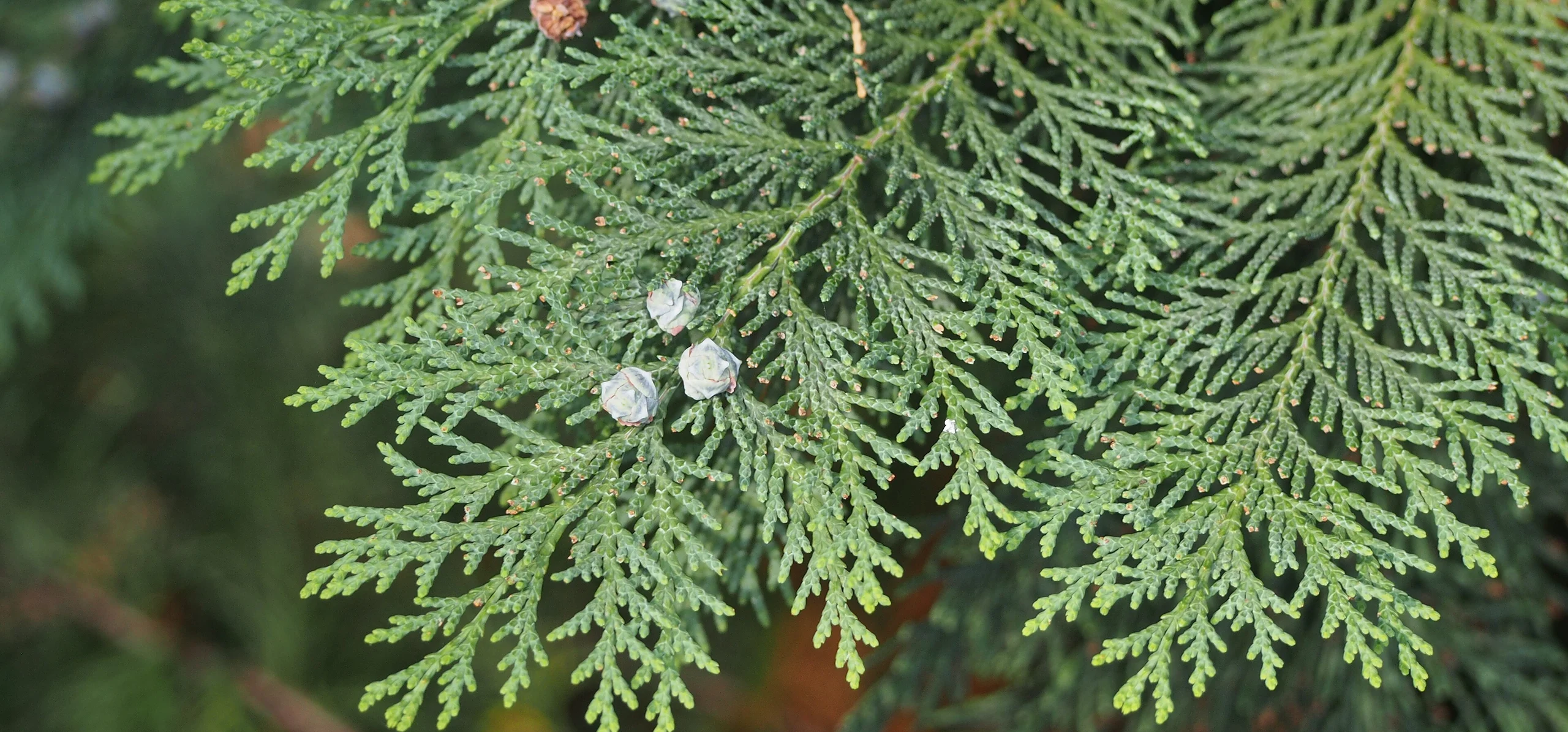
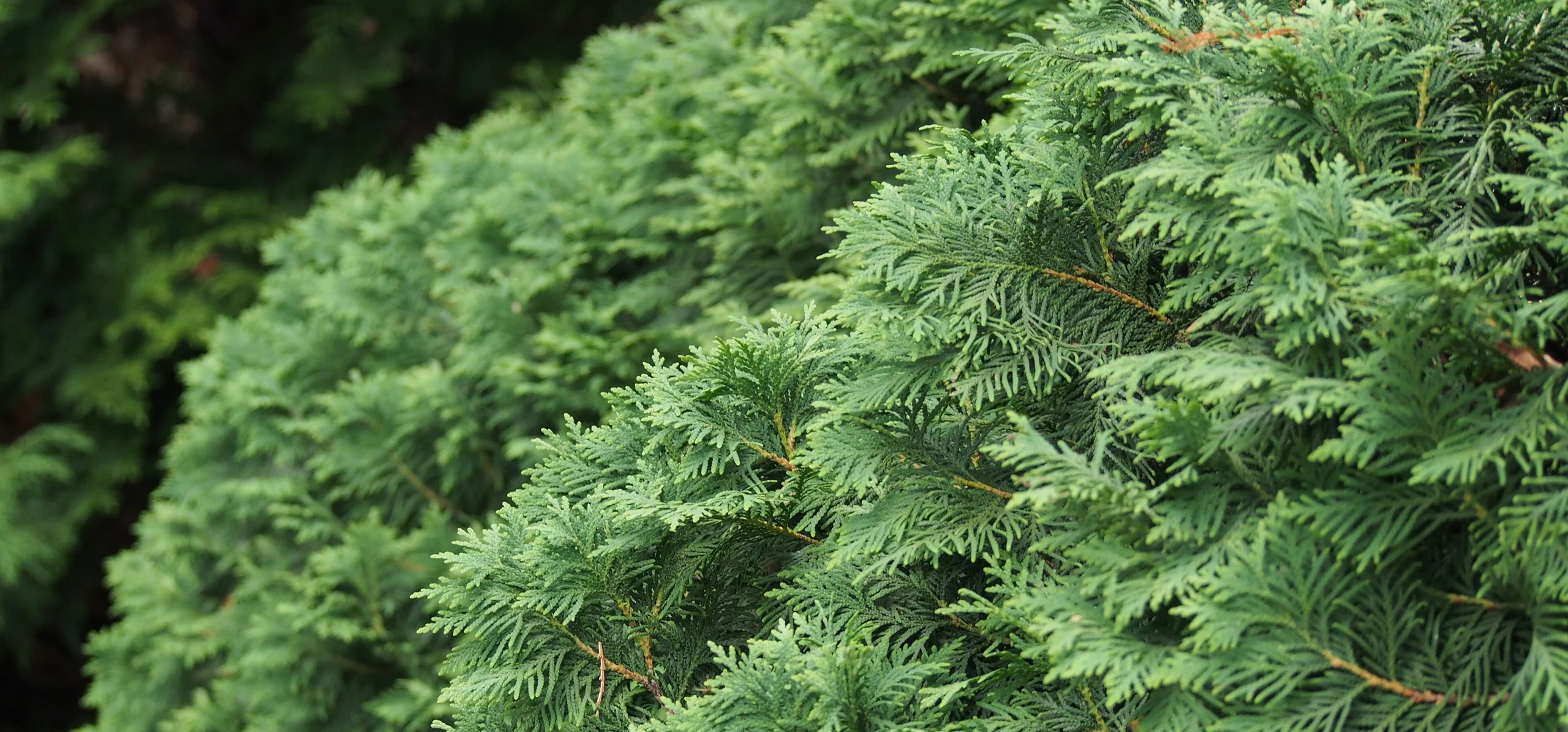
Thuja occidentalis, sold under the common names eastern arborvitae, northern white cedar and American arbor-vitae, is an evergreen conifer in the cypress family, Cupressaceae, not a true cedar of the genus Cedrus. It is one of the most cold-hardy landscape evergreens available, thriving from USDA zone 2 through zone 7, and it asks for little beyond consistently moist, well-drained soil and a spot that is not deep shade. Most garden specimens are named cultivars rather than the wild species: a narrow column like 'Smaragd' for a hedge, or a rounded dwarf like 'Globosa' for a foundation bed. The one thing to get right early is water, since young plants that dry out even once while establishing rarely recover their shape.
A Tree of Life That Is Not a True Cedar
The genus name Thuja comes from the Greek thyia, originally used for an unrelated fragrant evergreen; the species name occidentalis simply means of the western world. The common name arborvitae, tree of life, dates back to early French settlers in North America, who learned from Native Americans that the foliage could be brewed to treat scurvy during a hard Canadian winter. Botanically the tree sits in Cupressaceae alongside junipers and true cypresses, several branches removed from Cedrus, the genus of true cedars such as Cedar of Lebanon. That confusion is worth clearing up before you plant one, because nurseries market it under half a dozen names, including white cedar, swamp cedar and northern white cedar, that all describe the same species.
Native Range: Cold Swamps to Limestone Bluffs
Plants of the World Online lists the native range as central and eastern Canada through north-central and eastern United States. The Missouri Botanical Garden narrows that further: eastern and central Canada south to northern Illinois, Ohio and New York, with outlying populations in the Appalachians as far south as North Carolina. In the wild it favors two very different sites, the wet, mineral-rich ground of a cedar swamp and the thin soil of an exposed limestone cliff, which explains why a garden plant tolerates both a boggy corner and a dry, rocky bank once established. Over decades in the wild it can reach 12 to 18 m (40 to 60 ft), though cultivated specimens more commonly settle around 6 to 12 m (20 to 40 ft) with a 3 to 4.5 m (10 to 15 ft) spread.


Choosing a Form
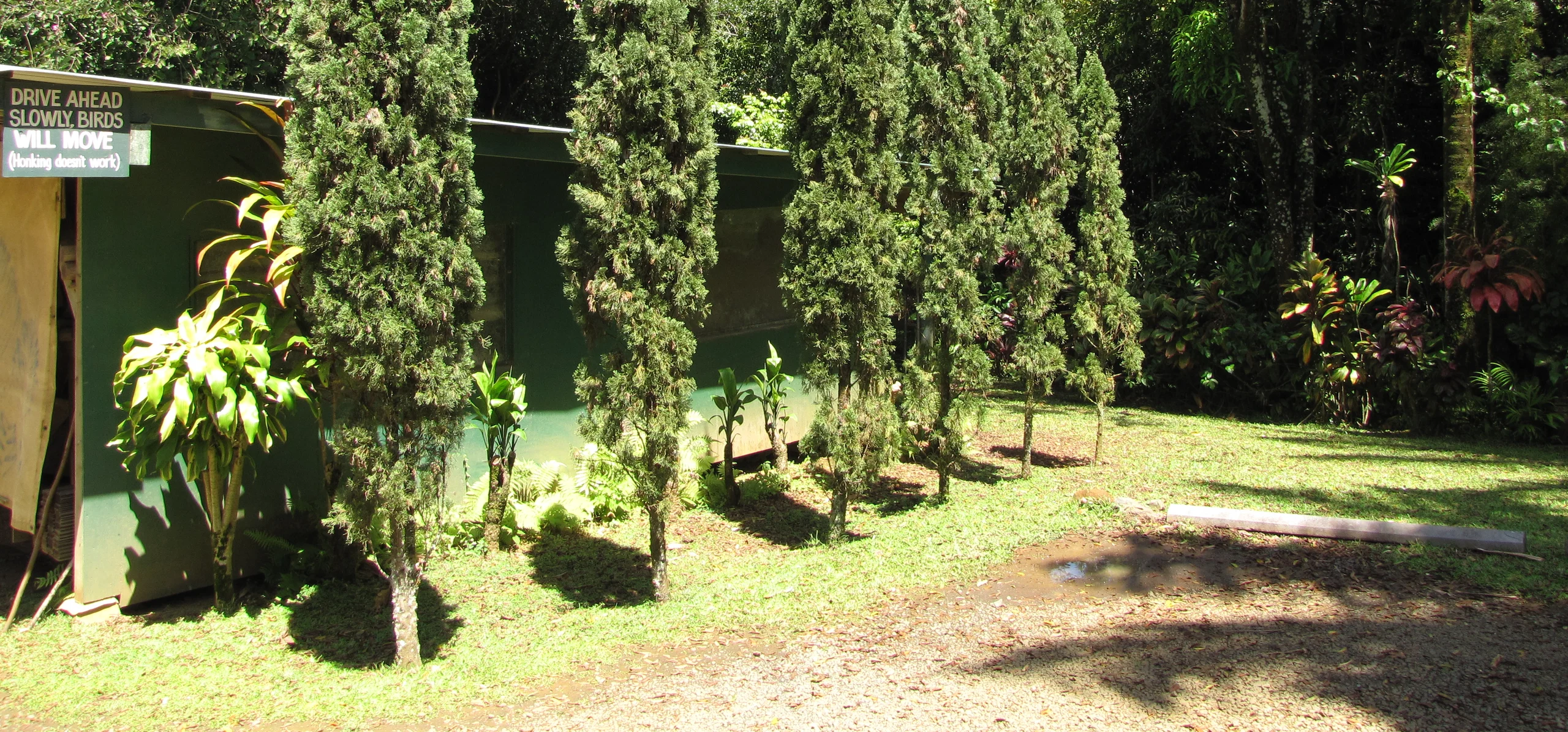
Very few gardeners plant the straight species; the nursery trade runs on cultivars bred for size and habit. 'Smaragd', sold as Emerald Green, keeps a tight, narrow column of bright green foliage that holds its color through winter, reaches only 1.5 to 2.5 m in 10 to 20 years, and is rated RHS H7 for the coldest continental winters, which makes it the default choice for a low hedge or privacy screen. At the other end of the range sit rounded, globe-shaped cultivars such as 'Globosa', grown as a specimen shrub or foundation planting rather than a screen. Whichever form you choose, check the tag for mature size before planting close to a wall or path: arborvitae rarely need corrective pruning if you buy the right cultivar for the space, but they sulk badly if you have to cut one back hard later.
Light, Soil and Water
Give it full sun for the densest foliage; part shade is tolerated, and in regions with hot, intense summer sun a little afternoon shade is actually welcome, but full shade thins the canopy within a season or two. Soil should be moist, well-drained and neutral to alkaline, roughly pH 6.0 to 8.0, though the species also tolerates clay and periodically wet ground better than most conifers. What it will not forgive is drought: this is a medium-water plant, not a xeriscape one, and prolonged dry spells show up quickly as browning tips. Water deeply and regularly through the first one to two growing seasons while the root system establishes, then settle into a routine of watering through extended dry weather rather than letting the plant fend for itself.
Winter Hardiness, Bronzing and Deer
Cold is rarely the problem: the species is rated hardy from USDA zone 2 to zone 7, tolerating winters far colder than most broadleaf evergreens survive. Wind and exposure are the real risk. In an open, unsheltered site the foliage can bronze to a dull yellow-brown over winter, a condition growers call winter burn, and heavy snow or ice loads can splay or snap branches on upright cultivars. Where deer are common, arborvitae is high on their browse list; NC State Extension flags deer damage as a routine problem for the species, and an unprotected young hedge can be stripped of foliage within a single winter. Fencing or repellent through the dormant season is worth planning for before you plant, not after the first bare patch appears.
Pruning and Use as a Hedge or Screen
Most cultivars need very little pruning to keep their shape; a light trim in late spring or early summer, after the flush of new growth has hardened slightly, is enough to keep a hedge tidy. The one rule that matters: cut only into green, leafy growth. Thuja does not reliably resprout from bare, older wood the way yew does, so a hedge sheared back past its green shell is left with a permanent brown hole. Its dense, low-maintenance habit and tolerance of shearing are exactly why it remains a standard foundation and boundary plant, used for windbreaks, privacy screens and formal hedging far more often than as a stand-alone specimen tree.
Pests, Diseases and a Word on Toxicity
Watch for leaf miner damaging tips, bagworms building their spindle-shaped cases in the foliage, and scale, mealybug or spider mite building up in a dense, poorly ventilated hedge. Leaf blight can spot and drop foliage in a wet season, and a hedge under stress from drought or poor drainage becomes more vulnerable to canker and, in older plantings, honey fungus at the root collar. On toxicity, the ASPCA has not published a listing for Thuja occidentalis, so no cat, dog or horse status can be stated with confidence either way. Treat that gap as a reason for caution rather than reassurance: keep pets from chewing on fallen foliage or cones, and do not rely on the absence of a listing as proof the plant is safe.
Test your plant knowledge
Tap a card to flip it and reveal the answer.
Thuja occidentalis is a true cedar in the genus Cedrus. Tap to reveal ✕ False
Thuja occidentalis tolerates winters as cold as USDA zone 2. Tap to reveal ✓ True
This plant grows best in full, deep shade. Tap to reveal ✕ False
Deer commonly browse arborvitae foliage in winter. Tap to reveal ✓ True
A sheared hedge will resprout even if cut back into bare, older wood. Tap to reveal ✕ False
Sources
References consulted for this guide
- GBIF Backbone Taxonomy: Thuja occidentalis L.gbif.org
- Plants of the World Online (Kew): Thuja occidentalis L.powo.science.kew.org
- Missouri Botanical Garden Plant Finder: Thuja occidentalismissouribotanicalgarden.org
- NC State Extension Gardener Plant Toolbox: Thuja occidentalisplants.ces.ncsu.edu
- RHS: Thuja occidentalis 'Smaragd'rhs.org.uk
- Reference entity : Wikipédiaen.wikipedia.org