Summer Squash
Cucurbita pepo
Family · Cucurbitaceae
One Cucurbita pepo plant can feed a family: sow it into warm soil, water at the base, hand-pollinate if fruit rots at the tip, and pick courgettes small.
Cucurbita pepo
Plant profile
- WateringHighWater every 4 days
- Light exposureFull sun
Growth
- Family
- Cucurbitaceae
- Life cycle
- Annual
- Growth speed
- 8/10
- Mature size
- Bush or vining annual; bush types compact, pumpkin and winter types sprawl widely
- Flowering
- Separate yellow male and female flowers on the same plant, insect-pollinated
- Propagation
- Seed
DormancyNone; a frost-tender annual killed outright by the first autumn frost
Time to maturityAbout 55 days from seed to first harvest for summer types (Clemson HGIC); pumpkins and other winter types stay on the vine for many more weeks until the rind hardens fully
Soil & climate
- Soil types
- well-drained, moisture-retentive, rich in organic matter
- Drought tolerance
- No
Light & Placement
- Origin
- Mexico, as a cultigen not known in the wild (POWO)
- Where to place it
- sunny vegetable bed
- hills spaced 3-4ft apart for vining types
- 20in (50cm)+ container for bush-type summer squash
Safety
- Toxicity
- CatsSafe
- DogsSafe
- HorsesSafe
Invasive speciesNot invasive; a cultivated annual vegetable that does not persist or spread outside cultivation.
Data fromGBIF: Cucurbita pepo L.ASPCA: Toxic and Non-Toxic Plants, AcornClemson Cooperative Extension HGIC: SummClemson Cooperative Extension HGIC: CucuClemson Cooperative Extension HGIC: Pump
Where it grows
World distribution
Summer Squash is native to a single country: Mexico.GBIF records 24,342 documented identifications across 160 countries, with the largest concentrations in United States, Sweden, and Spain.
- Mexico
Yellow to orange dots: concentration of documented identifications per country. Green countries: sourced native range. Source: GBIFNative range from POWO (Kew).
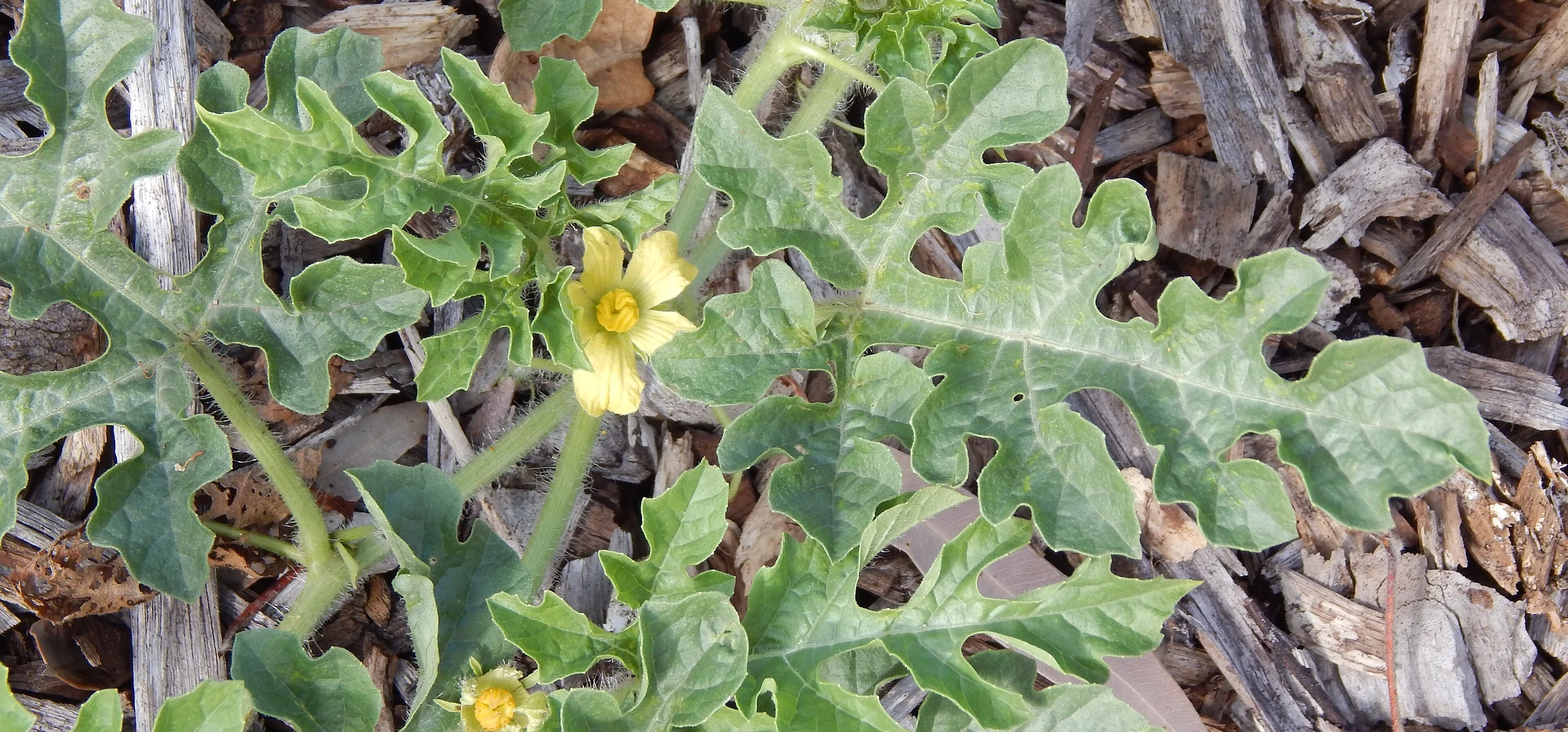
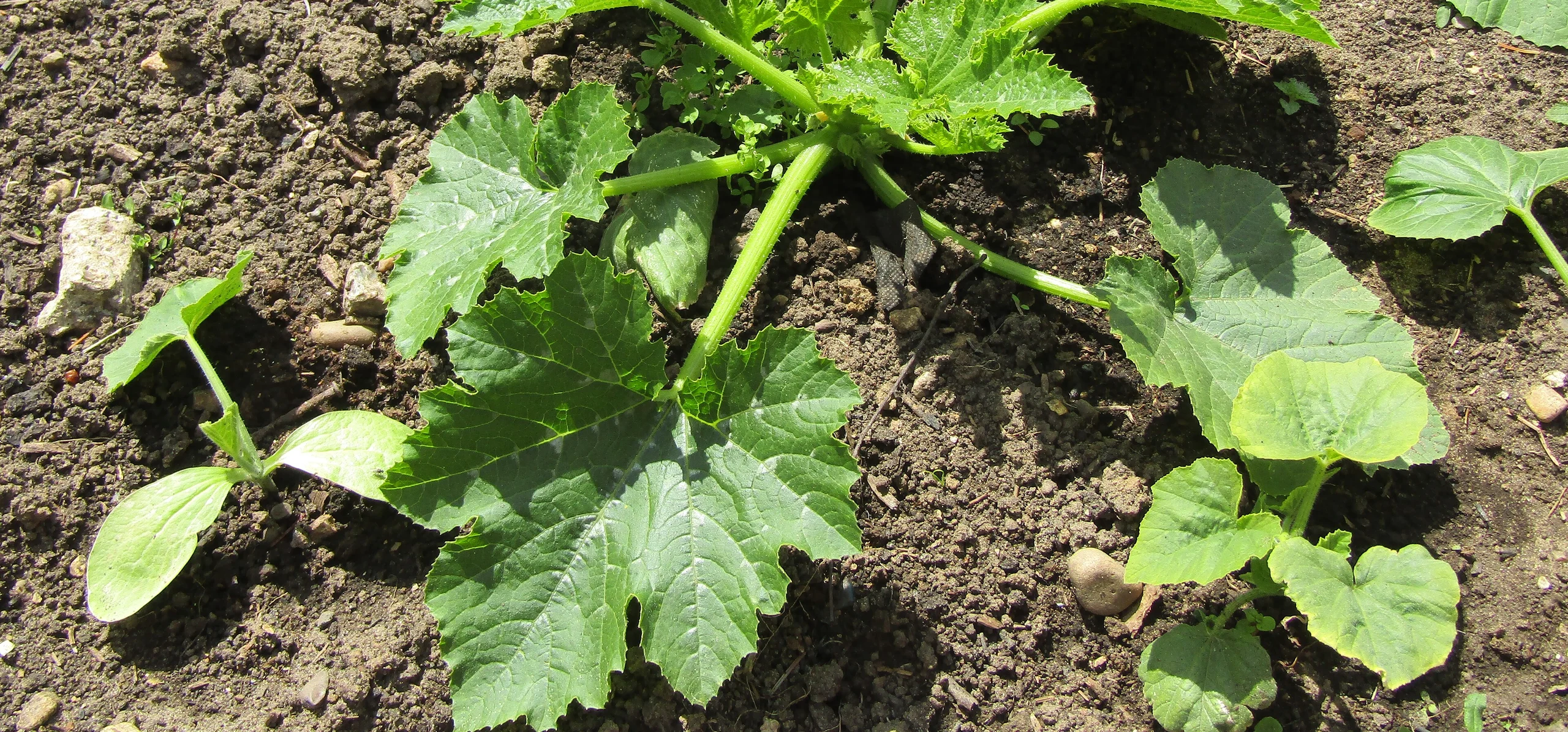
A squash seedling barely looks like anything for its first couple of weeks, just two round seed leaves sitting on a thick, hairy stem, and then the true leaves take over and the plant doubles in size every few days. Whatever the seed packet calls it, courgette, zucchini, marrow, pumpkin or acorn squash, it is almost certainly the same plant, Cucurbita pepo, behaving the same way at every stage: warm soil to germinate, separate male and female flowers that depend on bees to set fruit, and a narrow window between a squash that is perfect and one left to swell into a seedy club on the vine. One healthy plant, checked and picked every day or two, produces far more than most households can eat fresh.
One Species Behind Courgettes, Pumpkins and Acorn Squash
According to GBIF, Cucurbita pepo L. sits in the family Cucurbitaceae, genus Cucurbita, order Cucurbitales, alongside older synonyms such as Cucurbita aurantia and Cucumis pepo that reflect two centuries of botanists renaming the same plant. Plants of the World Online (Kew) records it as a cultigen from Mexico, meaning it has been cultivated so long that it is not known growing wild anywhere; its closest wild relatives are found across Mexico and the southern United States. The courgettes and yellow crooknecks picked young and the pumpkins and acorn squash left on the vine to harden into a thick rind are not different species, just the same plant grown to a different point and, in the case of pumpkins, a different shape of fruit. The fruit itself is also unremarkable from a safety standpoint: the ASPCA lists squash as non-toxic to cats, dogs and horses, unlike some other cucurbits sold as ornamental gourds.
Sowing Warm and Planting Out After the Last Frost
Clemson Cooperative Extension HGIC puts the minimum soil temperature for sowing squash at 60°F measured four inches down, well above what most spring soil offers in early season; sowing into cold, wet ground simply stalls the seed rather than killing it outright. Seed goes in about half an inch deep, spaced four to six inches apart in the row, then thinned to twelve to fifteen inches once the seedlings show their first true leaves, or set as transplants fifteen inches apart; rows run about three feet apart, or, for the sprawling pumpkin and winter types, hills spaced three to four feet apart with four to six feet between rows. None of this should happen before the last frost date, since a squash seedling caught by a late cold snap sits pale and stunted for weeks rather than recovering quickly.


Watering at the Base, Not Over the Leaves
Squash roots need moisture to about six inches deep, and Clemson's guidance is to water at the base of the plant rather than overhead, keeping the critical fruit-set and fruit-development stage from ever drying out. During dry spells, an inch of water a week is the extension's benchmark for preventing blossom-end rot, the dark, dry rot that forms at the flower end of the fruit when inconsistent watering leaves too little calcium reaching the developing squash. A soil test corrected toward pH 6.5, a layer of mulch to slow evaporation, and steady rather than feast-or-famine watering do more for this problem than any spray.
Powdery Mildew and the Two Kinds of Blossom-End Rot
Powdery mildew shows up as a white, dusty coating on the upper leaf surface and stems, stunting and distorting the foliage it covers; Clemson notes it develops fastest between 50 and 90°F during dry spells combined with high humidity, and that squash planted late in the season is hit hardest. There is no cure once leaves are covered, only prevention: resistant varieties, a preventive fungicide such as chlorothalonil or copper applied before symptoms appear, and clearing infected plants after harvest rather than leaving them to carry the fungus into next year. The calcium-deficiency blossom-end rot described above is not the only reason a small squash rots from the tip and drops. Because every Cucurbita pepo fruit needs a bee to carry pollen from a male flower to a female one, a flower that gets too few visits sets too few seeds; the tiny fruit behind it stalls, yellows and rots from the blossom end within days, and no amount of watering or calcium fixes that version.
Squash Vine Borer and Cucumber Beetles
The squash vine borer is a North American pest, largely unknown to European growers, but a serious one where it occurs: Clemson describes a white, heavy-bodied larva over an inch long that tunnels inside the stem, so that a vine wilting suddenly with sawdust-like frass piled at a hole in the stem is the giveaway, long before the moth itself is ever seen. In South Carolina it runs two generations a year, with moths emerging in late May; tilling the soil in late winter to expose overwintering pupae, rotating where squash is planted, and pulling out an infested vine promptly all help break the cycle, and Clemson notes that butternut and Green-Striped Cushaw squash are practically immune. Cucumber beetles are a different problem: spotted (eleven black spots, black head), striped (three black stripes) or banded (three green stripes), they feed on every part of the plant and spread bacterial wilt as they go, while their larvae attack roots underground. Row covers of spun-bonded polyester keep them off young plants, but Clemson is clear that covers must come off once flowering starts or the plant loses its pollinators along with its pests.
Hand-Pollinating When Bees Are Scarce
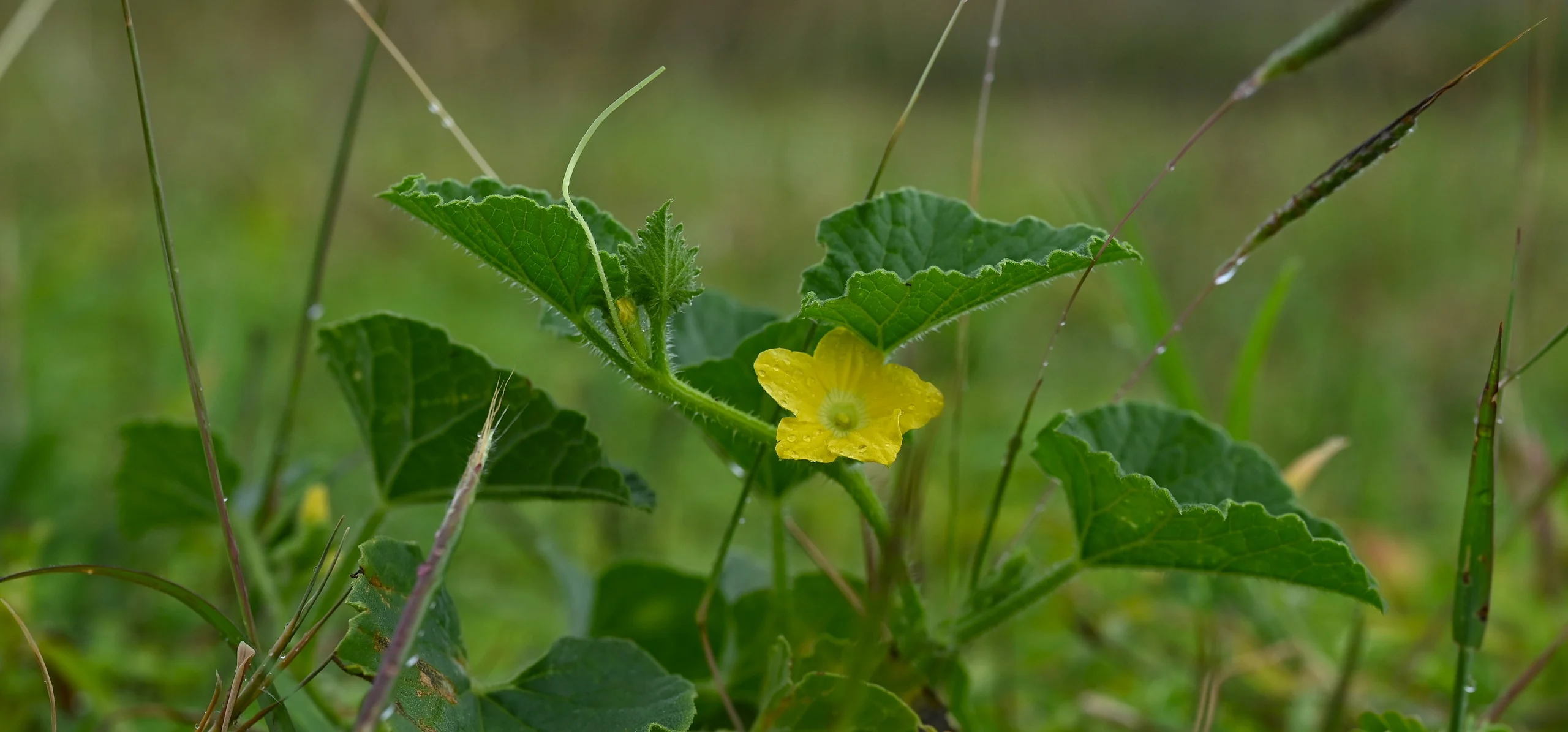
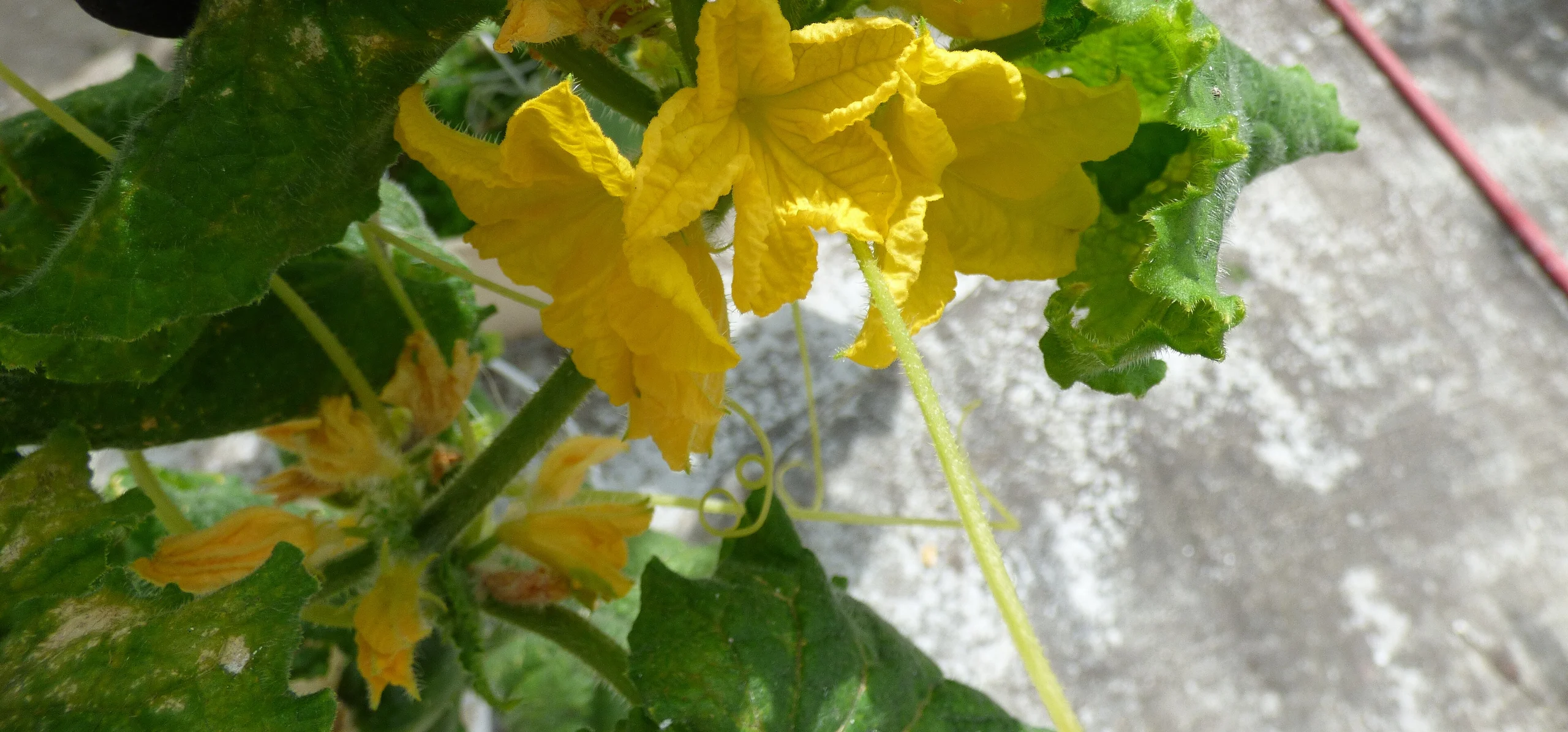
A squash plant carries separate male and female flowers, the female easy to spot by the tiny fruit already swollen behind the petals, and Clemson's basic growing guidance is blunt about the consequence: no bees moving pollen between them, no fruit. In a cool, wet spring, or any garden short on pollinators, opening a male flower by hand, stripping back its petals and touching its pollen-laden centre directly against the centre of a freshly opened female flower does the same job bees would otherwise do; one male flower has enough pollen for several females, and it works best done in the morning while the flowers are still fully open, since most squash blossoms close again by afternoon and do not reopen.
Picking Courgettes Small, One Plant for a Family
Clemson's size guide for summer types gives roughly one and a half to two inches across for crookneck and straightneck squash, seven to eight inches long for zucchini, and three to four inches across for scallop types, checked and cut every day or every other day once fruiting starts. Picking small is not just a matter of taste: a single oversized fruit left to swell on the vine signals the plant to slow down and stop setting new ones, so a vine picked constantly stays in production far longer than one left to carry a few giant marrows. That same daily harvest is exactly why a single summer squash plant, rather than a whole row, is usually enough for one household; cut fruit keeps about a week refrigerated in a plastic bag, which is often the limiting factor rather than how much the plant can produce.
Curing Pumpkins and Acorn Squash for Winter Storage
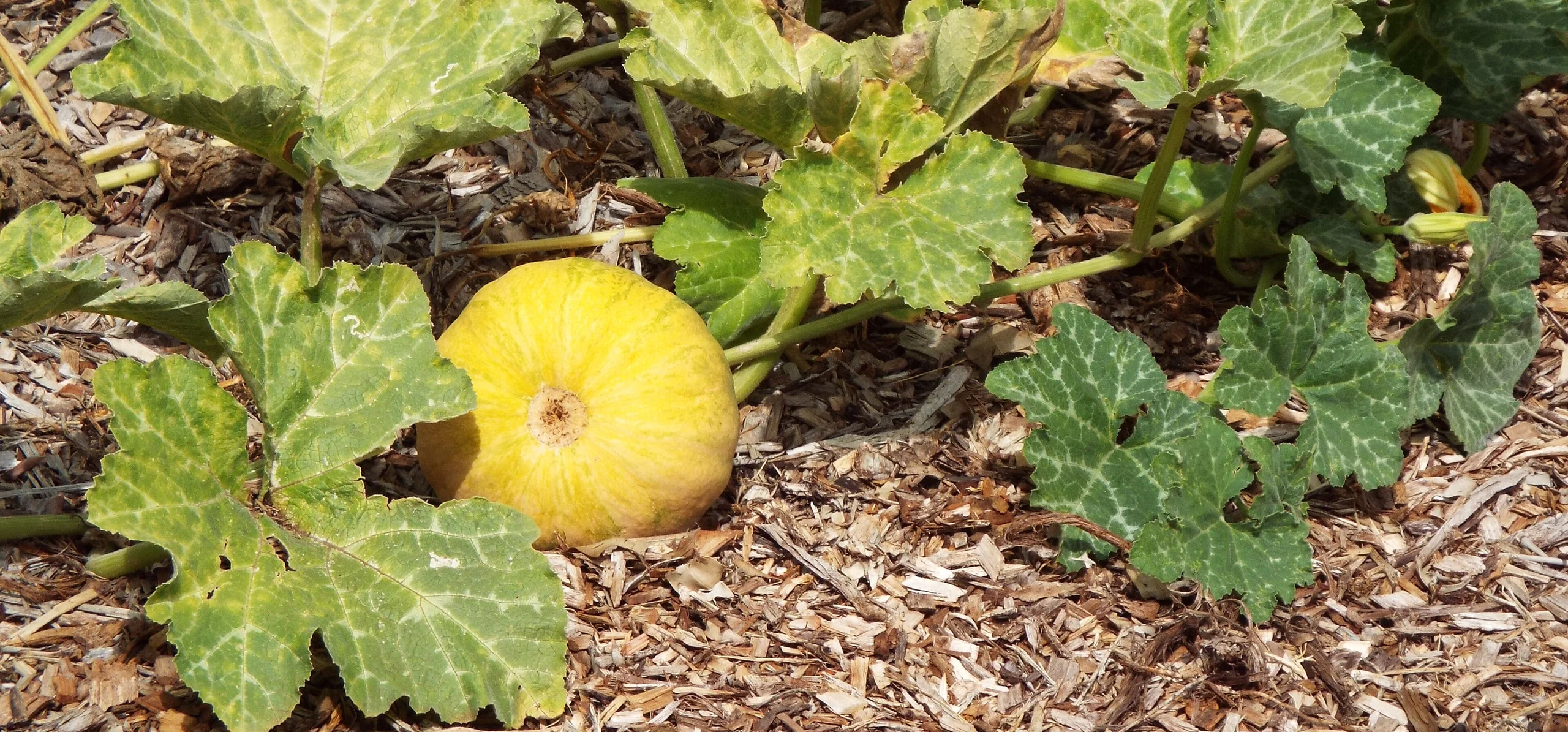
Winter types are judged ready by feel rather than by the calendar: Clemson describes mature winter squash and pumpkin skin as too hard to puncture with a thumbnail, with the surface turning from glossy to dull and dry, and pumpkins additionally showing solid, deep orange colour all over. Fruit should be cut, never pulled, leaving a length of stem attached, then washed with soapy water and wiped or soaked with a dilute bleach solution, about four teaspoons of household bleach per gallon of water, before being left to air dry. Clemson's curing step comes next: ten days or so at 80 to 85°F and 75 to 80 percent relative humidity hardens the rind fully, after which the squash keeps for eight weeks or more in a cooler spot at 50 to 55°F and 50 to 75 percent humidity, provided it never sees temperatures above 95°F or below 50°F in between. Skipping the cure and going straight into cold storage is the most common reason a home-grown pumpkin rots within a few weeks instead of lasting through winter.
Test your plant knowledge
Tap a card to flip it and reveal the answer.
Courgettes, pumpkins and acorn squash are usually different varieties of the same species, Cucurbita pepo. Tap to reveal ✓ True
Squash seed germinates fastest in cold, wet soil right after the ground thaws. Tap to reveal ✕ False
A tiny squash that yellows and rots from the blossom end can be a sign of too few bee visits, not disease. Tap to reveal ✓ True
Sudden wilting of a vine with sawdust-like debris near a hole in the stem usually points to squash vine borer. Tap to reveal ✓ True
Winter squash and pumpkins can go straight from the vine into cold storage with no curing step needed. Tap to reveal ✕ False
Sources
References consulted for this guide
- GBIF: Cucurbita pepo L.gbif.org
- ASPCA: Toxic and Non-Toxic Plants, Acorn Squashaspca.org
- Clemson Cooperative Extension HGIC: Summer Squashhgic.clemson.edu
- Clemson Cooperative Extension HGIC: Cucumber, Squash, Melon & Other Cucurbit Insect Pestshgic.clemson.edu
- Clemson Cooperative Extension HGIC: Cucumber, Squash, Melon & Other Cucurbit Diseaseshgic.clemson.edu
- Clemson Cooperative Extension HGIC: Pumpkins & Winter Squashhgic.clemson.edu
- Reference entity : Wikipédiaen.wikipedia.org