Lemon Balm
Melissa officinalis
Family · Lamiaceae
Lemon balm spreads by rhizomes and self-seeds fast. How to site, prune and harvest Melissa officinalis, and keep it from escaping the bed.
Melissa officinalis
Plant profile
- WateringLittleWater every 7 days
- Light exposurePartial sun
- Ideal temperature-20–35 °C
- Hardiness zoneUSDA 3–7
Growth
- Family
- Lamiaceae
- Life cycle
- Perennial
- Growth speed
- 7/10
- Mature size
- 50–100 cm
- Spread
- 30–90 cm
- Propagation
- Seed
- Division
- Cutting
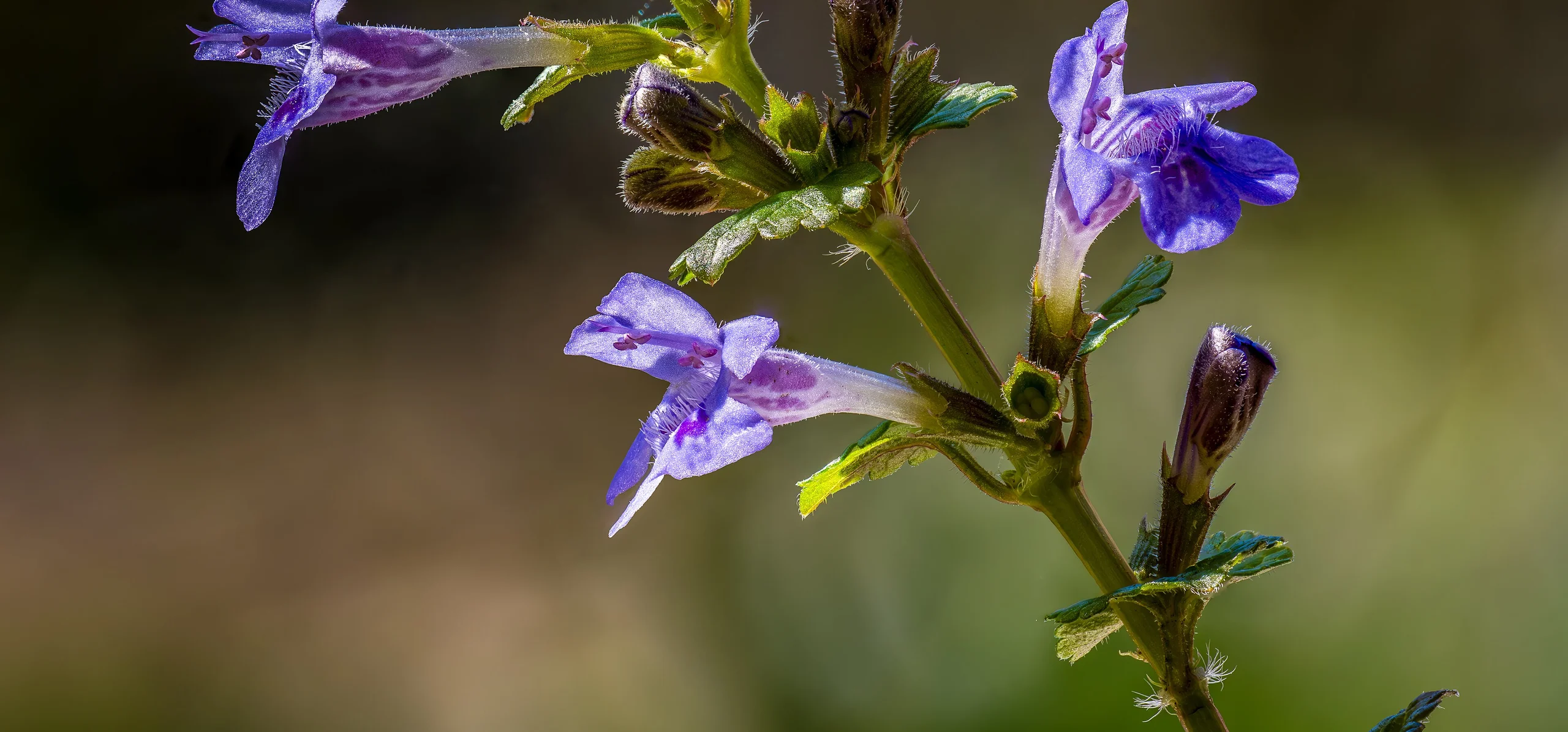
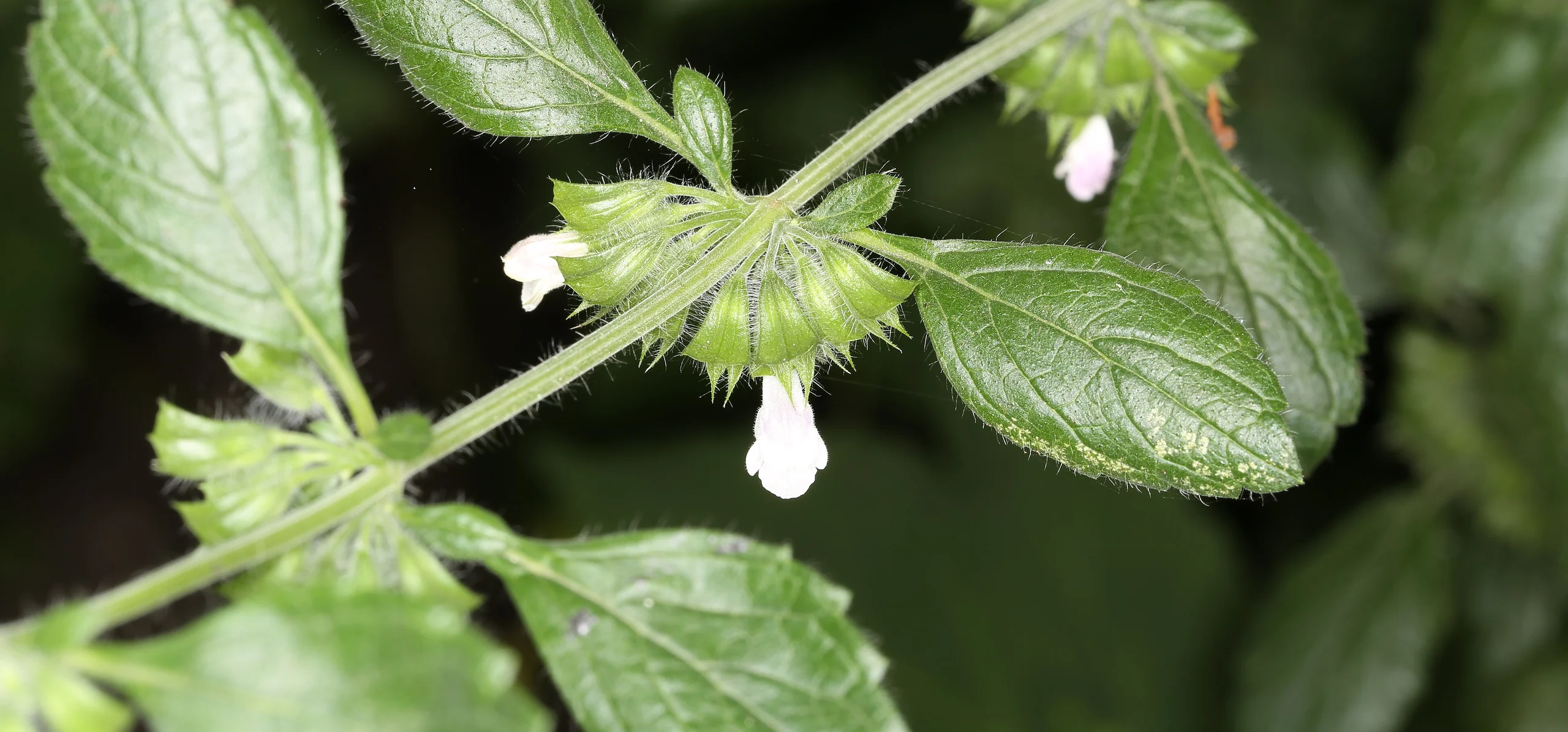
FloweringSmall white, two-lipped flowers in summer and fall whorls, attractive to bees (NC State Extension)
DormancyHerbaceous perennial: dies back to the rootstock in cold winters and regrows in spring
Soil & climate
- Soil pH
- pH 6–7.5
- Soil types
- clay, loam, sand, chalk
- Drought tolerance
- Yes
Light & Placement
- Origin
- South Europe to West and Central Asia, Northwest Africa (POWO)
- Where to place it
- sheltered south or west-facing herb bed
- large container sunk into a border to contain spread
- mixed pollinator or bee border
- large pot, 8 inches (20 cm) or wider, to contain rhizome spread
Safety
- Toxicity
- CatsSafe
- DogsSafe
- HorsesSafe
- HumansSafe
Invasive speciesNC State Extension notes it self-seeds and spreads aggressively by rhizomes once established, and recommends container growing to keep it from escaping into the landscape
Data fromGBIF: Melissa officinalis L.POWO: Melissa officinalis L.ASPCA: Lemon Balm (Melissa officinalis)RHS: Melissa officinalis (lemon balm)NC State Extension Gardener Plant Toolbo
Where it grows
World distribution
Lemon Balm is native to 23 countries: Albania, Algeria, Bulgaria, Croatia, Cyprus, France, Georgia, and Greece….GBIF records 137,161 documented identifications across 102 countries, with the largest concentrations in France, United Kingdom, and Germany.
- Albania
- Algeria
- Bulgaria
- Croatia
- Cyprus
- France
- Georgia
- Greece
- Iran
- Iraq
- Italy
- Kyrgyzstan
Show 11 more countriesShow fewer countries
- Lebanon
- Morocco
- Palestinian Territories
- Portugal
- Russia
- Spain
- Tajikistan
- Tunisia
- Türkiye
- Turkmenistan
- Uzbekistan
Yellow to orange dots: concentration of documented identifications per country. Green countries: sourced native range. Source: GBIFNative range from POWO (Kew).
Recognizing Lemon Balm
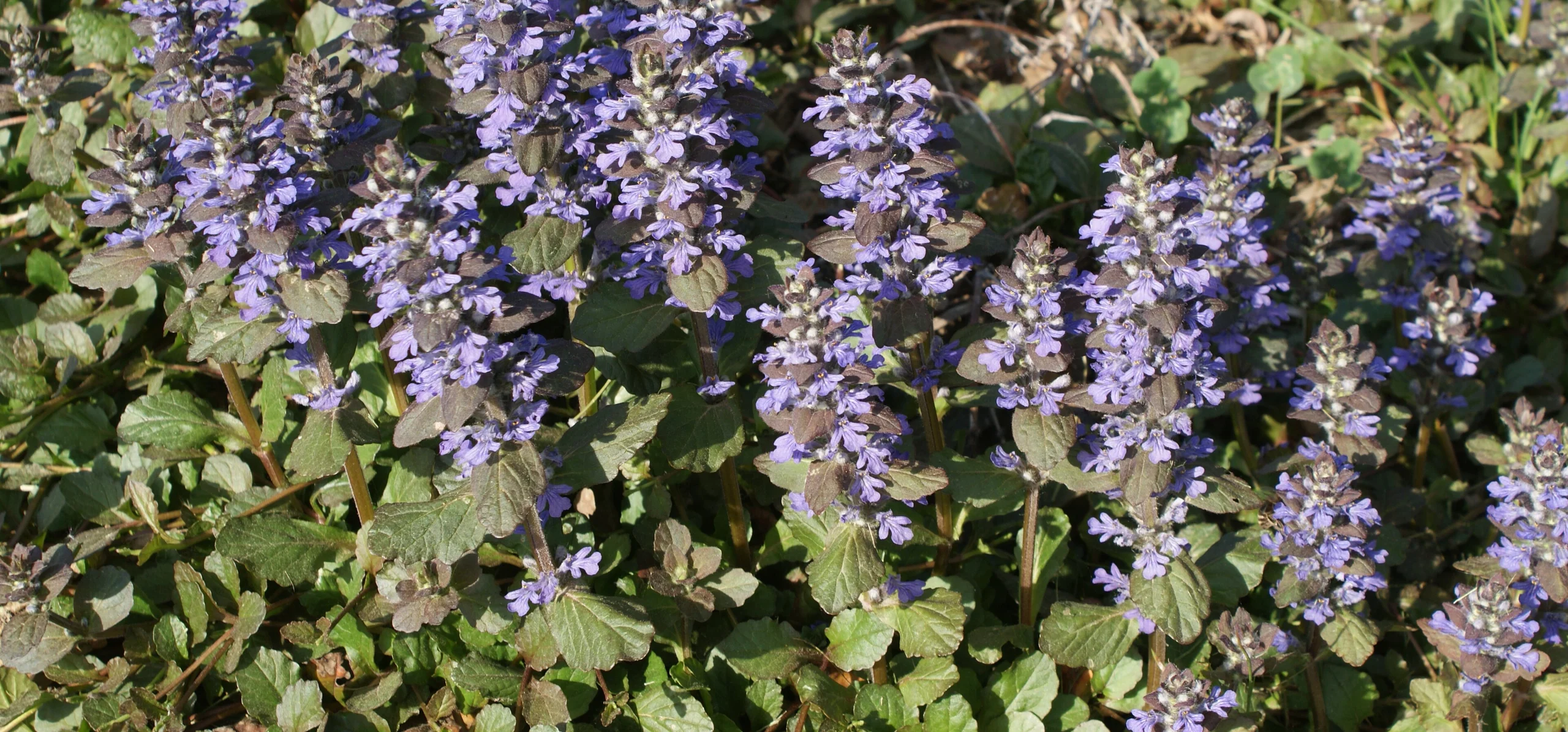
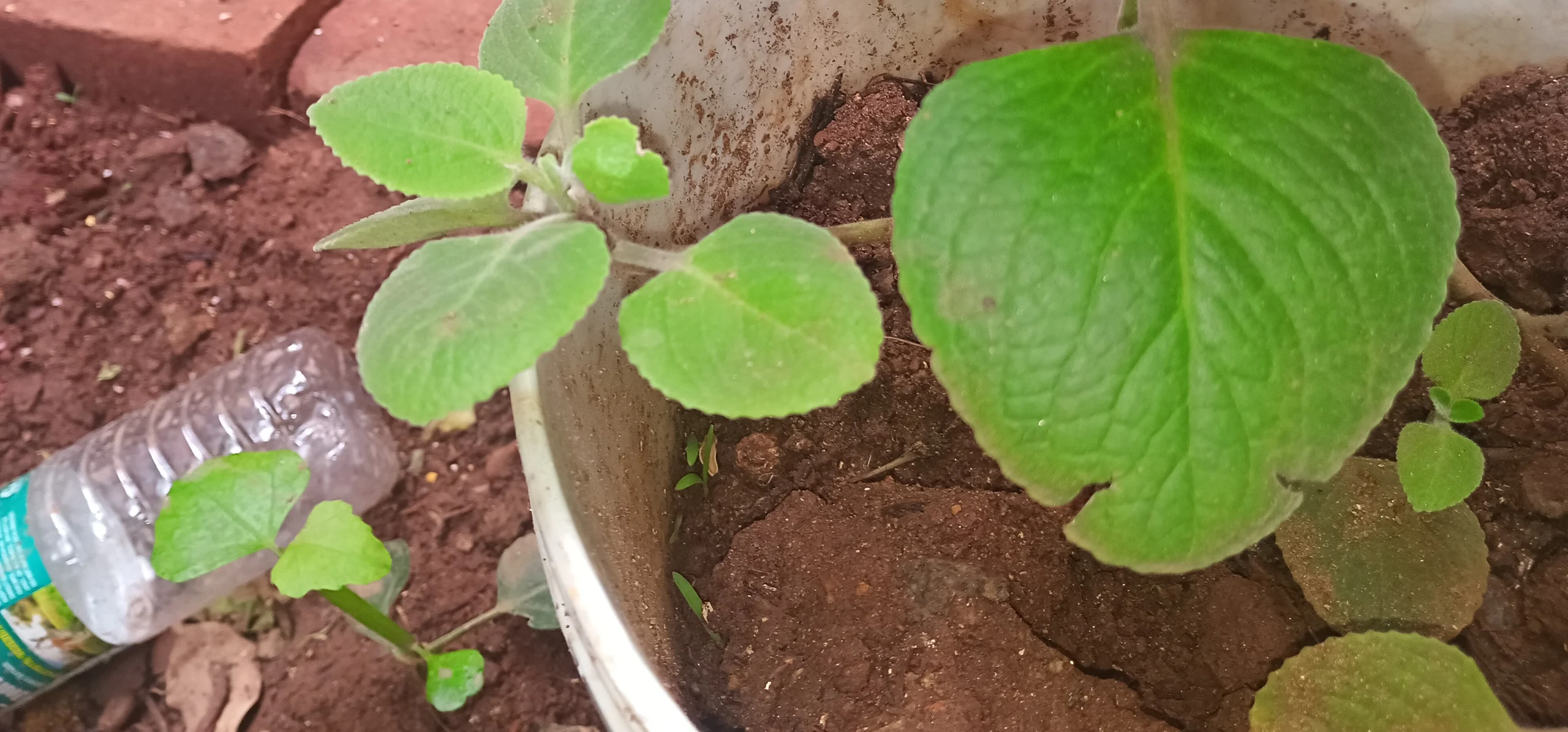
Lemon balm announces itself before you touch it: crush a leaf and the scent is pure lemon, sharper and sweeter than mint, with a green edge underneath. GBIF records the accepted name as Melissa officinalis L., in the mint family Lamiaceae, and the square stems and opposite, crenate-edged leaves are unmistakably mint-family traits once you know to look for them. New gardeners often mistake young plants for creeping mint or catnip; the giveaway is the citrus smell and the more upright, bushy habit rather than mint's flat, wandering runners. Left in a bed with room to spread, a single plant can fill a square metre within two seasons.
Choosing a Variety
The straight species, sometimes sold as subsp. officinalis, is the plant most nurseries carry: plain green, rough-textured leaves on a bushy clump reaching half a metre to a metre tall. 'Aurea', also sold as golden or variegated lemon balm, carries leaves splashed yellow-gold in spring that green up by midsummer; it is slightly less vigorous than the plain species and works well as a border edge where the extra colour earns its keep. A second wild subspecies, subsp. inodora, is native further east around the Mediterranean and North Iraq but is rarely offered commercially since it carries little of the lemon scent that makes the plant worth growing. For a kitchen or tea garden, the plain species gives the strongest citronellal aroma; for ornamental beds, 'Aurea' earns its place on looks alone.
Light and Position
Full sun to partial shade suits lemon balm, and the RHS lists both aspects as workable, with a south or west-facing, sheltered spot as the ideal. In hot summer climates, some afternoon shade keeps the leaves from scorching and slows the plant's tendency toward mildew, since NC State Extension notes that shade and poor airflow both encourage powdery mildew on this species. Give plants roughly 30 to 90 cm of spacing, matching the mature spread NC State Extension and the RHS record, so air can move freely between clumps; crowding is the single biggest driver of the whitish mildew coating that shows up on older leaves by late summer.


Soil and Watering
Lemon balm tolerates clay, loam, sand and even shallow rocky ground, and NC State Extension rates its pH tolerance from acid up to just below 8.0, essentially anything short of strongly alkaline. What it will not forgive for long is waterlogging: the RHS growing notes call for well-drained soil and warn against excessive winter wet, which is the more common way to lose an established plant than drought ever is. Once rooted in, established clumps tolerate dry spells well; young transplants and divisions need regular watering through their first few weeks while roots establish, then can drop to whenever the top few centimetres of soil dry out.
Pruning to Stop It Taking Over the Bed
The RHS is direct about this: cut lemon balm back hard after flowering, both to push out a fresh flush of tender leaf growth and to prevent self-seeding. NC State Extension goes further, warning that the species self-seeds and spreads by rhizomes aggressively enough that it is best confined to a container rather than let loose in open ground. A midsummer cut to a few centimetres above the base, once the first flush of small white flowers fades, does double duty: it removes the seed heads before they ripen and forces a second round of the young, most fragrant foliage that is the whole point of growing the plant. Gardeners who want the citrus scent without the spread grow it in a large pot sunk into the border, which blocks the rhizomes without sacrificing the look of an in-ground planting.
Propagation
Seed, division and root cuttings all work, and NC State Extension and the RHS agree on the two easiest routes: division of an established clump in spring or autumn gives an instant-size plant, while root cuttings taken from healthy rhizome sections root readily in a free-draining mix. Seed sown indoors in early spring germinates within two to three weeks at room temperature, but seedlings grow slowly at first, so division is the faster route to a usable plant in the same season. Because the species self-seeds so readily once established, gardeners rarely need to start from seed a second time; volunteer seedlings usually turn up on their own near the parent plant.
Pests and Diseases
Lemon balm is largely trouble-free. The RHS lists sage leafhopper as an occasional pest, recognisable by pale mottling on the upper leaf surface where the insect has fed, rarely serious enough to need treatment. On the disease side, NC State Extension records powdery mildew, leaf spot, leaf blight and gray mold as occasional problems, all favoured by the same conditions: crowded plants, poor airflow and wet foliage overnight. Watering at the base rather than overhead, and thinning stems by harvesting regularly, keeps most of these from taking hold. The RHS separately notes that verticillium wilt can occur but rarely does; there is no routine treatment beyond removing and disposing of an affected plant rather than composting it.
Harvesting for Tea and the Kitchen
Leaves are ready to pick as soon as the plant has enough growth to spare, and the scent is strongest in young leaves cut just before the plant flowers. NC State Extension lists tea, soup and stew flavouring and potpourri among the common uses, and the tiny white summer flowers draw bees in numbers, hence the older common names balm and beebalm that GBIF records for the species. For drying, cut whole stems in the morning once the dew has evaporated, when the essential oil content that carries the lemon scent is at its highest, and hang them in a warm, dark, airy spot; direct light fades both the colour and the aroma within days. The ASPCA lists lemon balm as non-toxic to cats, dogs and horses, so trimmings can be composted or left where pets forage without concern.
Test your plant knowledge
Tap a card to flip it and reveal the answer.
Lemon balm belongs to the mint family, Lamiaceae, along with true mints. Tap to reveal ✓ True
Shady, crowded planting reduces the risk of powdery mildew on lemon balm. Tap to reveal ✕ False
Cutting lemon balm back hard after flowering helps stop it from self-seeding. Tap to reveal ✓ True
Once established, lemon balm stays neatly in place and rarely spreads beyond where it was planted. Tap to reveal ✕ False
The ASPCA lists lemon balm as toxic to cats and dogs. Tap to reveal ✕ False
Sources
References consulted for this guide
- GBIF: Melissa officinalis L.gbif.org
- POWO: Melissa officinalis L.powo.science.kew.org
- ASPCA: Lemon Balm (Melissa officinalis)aspca.org
- RHS: Melissa officinalis (lemon balm)rhs.org.uk
- NC State Extension Gardener Plant Toolbox: Melissa officinalisplants.ces.ncsu.edu
- Reference entity : Wikipédiaen.wikipedia.org