Spearmint
Mentha spicata
Family · Lamiaceae
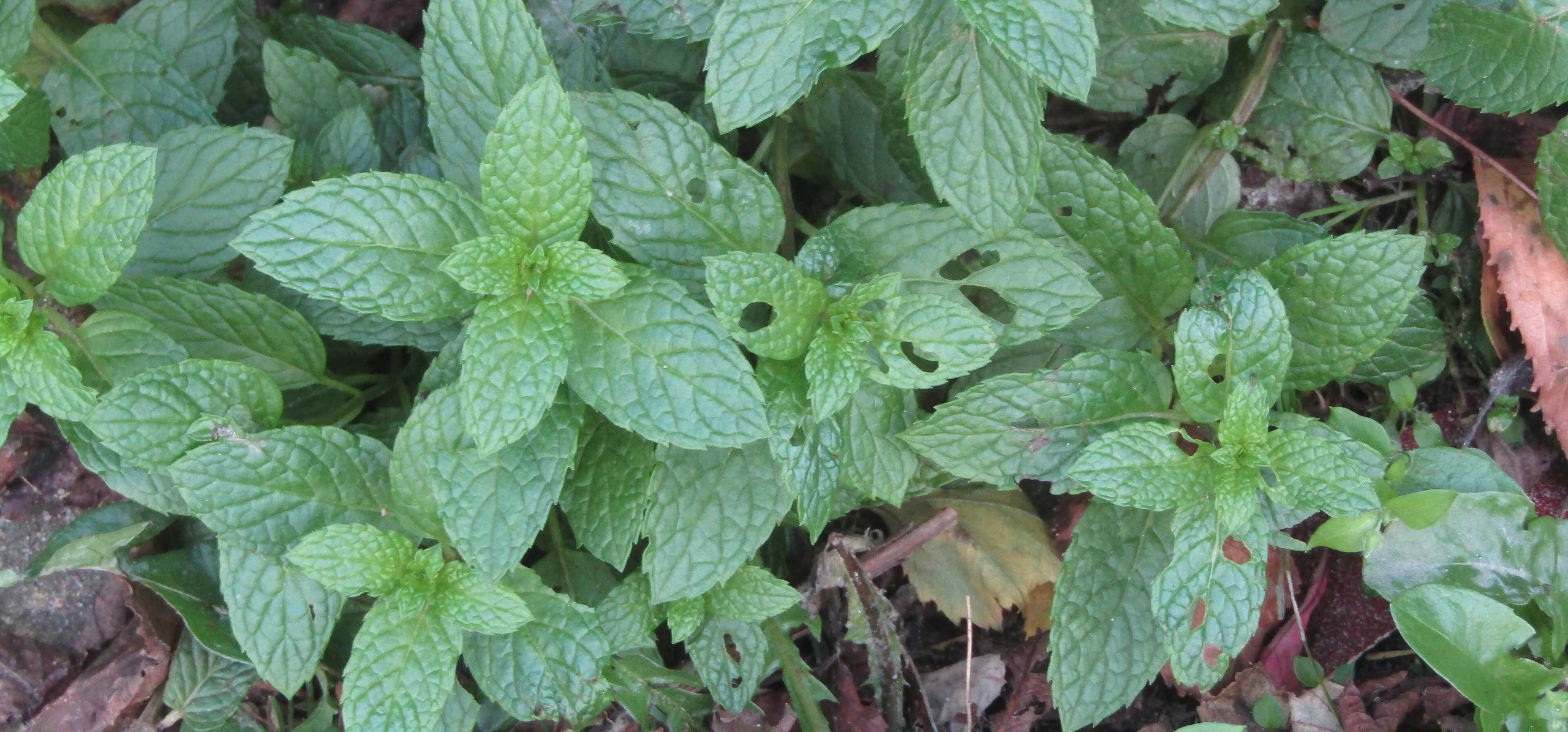
Spearmint spreads by rhizomes fast enough to take over a bed: grow it confined, cut it back before flowering, and divide the pot every year or two.
Mentha spicata
Plant profile
- WateringHighWater every 3 days
- Light exposurePartial sun
- Hardiness zoneUSDA 4–11
Growth
- Family
- Lamiaceae
- Life cycle
- Perennial
- Growth speed
- 8/10
- Mature size
- 30–100 cm
- Spread
- 30–100 cm
- Flowering
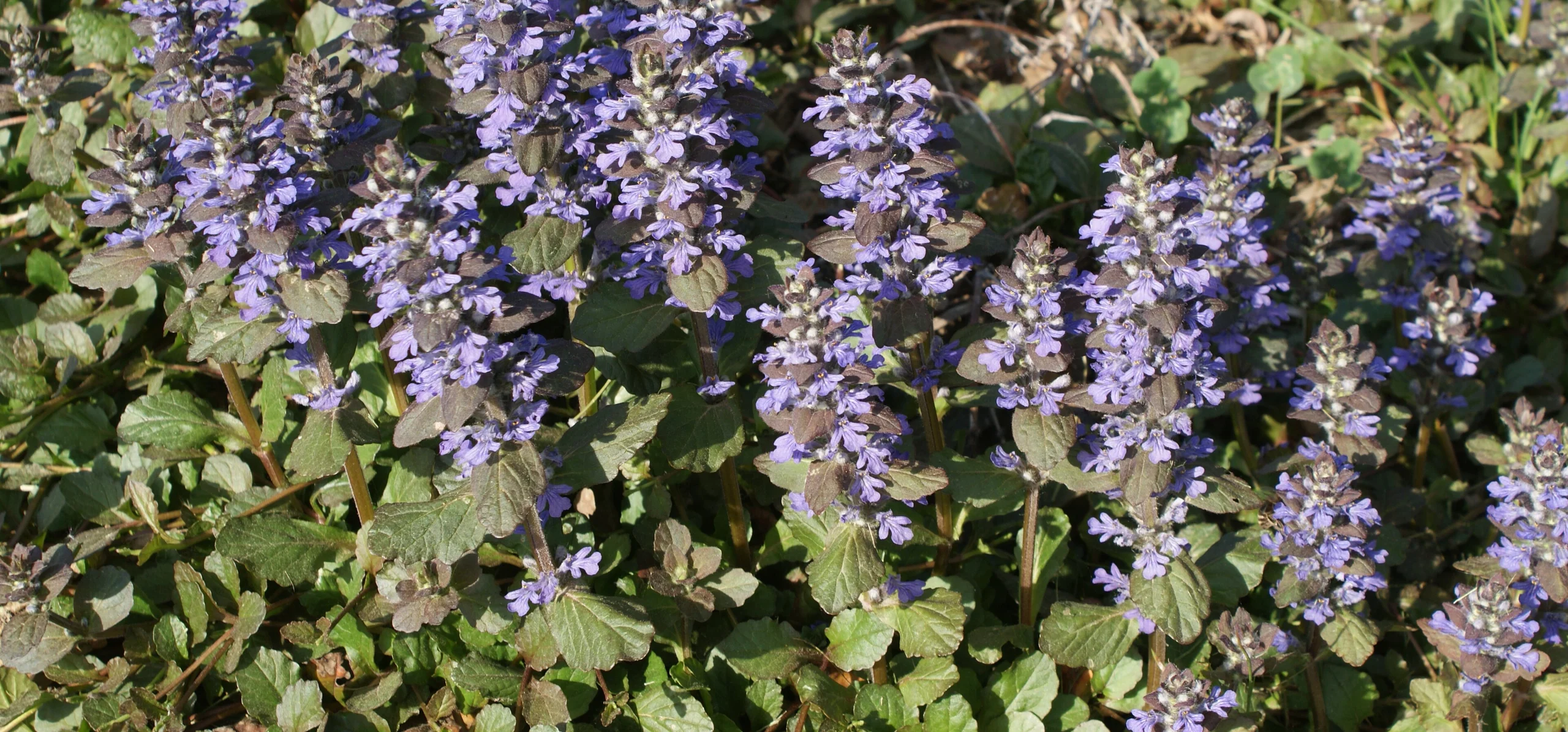
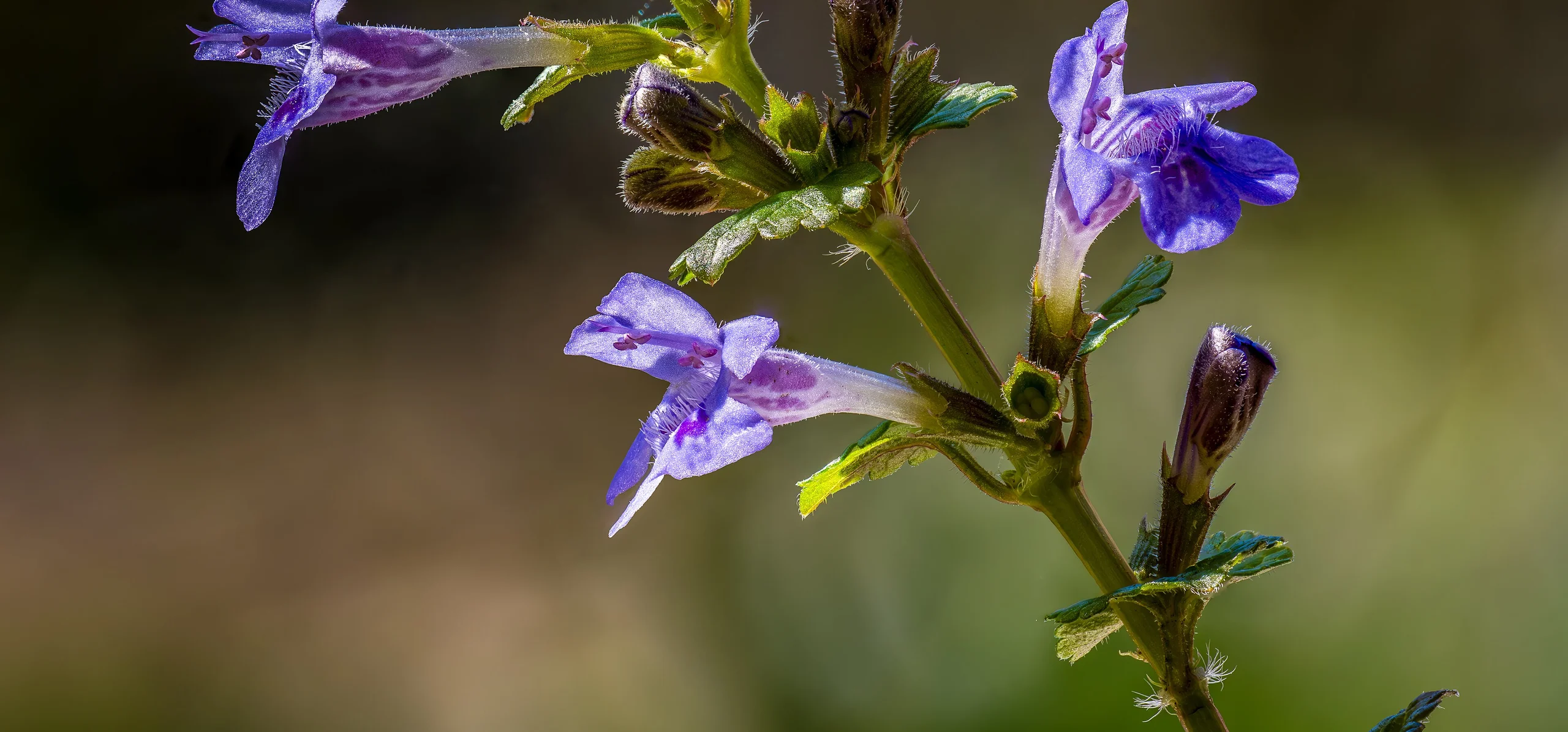
- Small mauve flower spikes in summer if not cut back first
- Propagation
- Division
- Cutting
Dormancydies back to the rootstock in winter and regrows from rhizomes in spring
Time to maturityusable leaf within 6-8 weeks of planting a division
Soil & climate
- Soil pH
- pH 6–7.5
- Soil types
- loam, clay, sand
- Drought tolerance
- No
Light & Placement
- Origin
- Europe to China
- Where to place it
- bright windowsill out of prolonged hot midday sun
- sunny to lightly shaded border, always in a container or behind a buried barrier
- large pot at least 30 cm (12 in) wide, or a bottomless pot sunk in the ground to block rhizomes
Safety
- Toxicity
- CatsToxic
- DogsToxic
- HorsesToxic
- HumansSafe
Invasive speciesspreads aggressively by rhizomes and can overrun an open bed within a season; contain in a pot or behind a deep barrier
Data fromMentha spicata L., GBIF Backbone TaxonomMentha spicata subsp. spicata, Plants ofASPCA: Mint (Garden Mint) toxicity to peRHS: Mint rustNC State Extension Gardener Plant Toolbo
Where it grows
World distribution
Spearmint is native to 33 countries: Afghanistan, Albania, Austria, Belgium, Bulgaria, China, Croatia, and Cyprus….GBIF records 51,808 documented identifications across 134 countries, with the largest concentrations in United Kingdom, United States, and France.
- Afghanistan
- Albania
- Austria
- Belgium
- Bulgaria
- China
- Croatia
- Cyprus
- Czechia
- Denmark
- Egypt
- France
Show 21 more countriesShow fewer countries
- Georgia
- Germany
- Greece
- Hungary
- India
- Iran
- Italy
- Lebanon
- Nepal
- Netherlands
- Norway
- Pakistan
- Palestinian Territories
- Poland
- Romania
- Russia
- Sweden
- Switzerland
- Türkiye
- Turkmenistan
- Ukraine
Yellow to orange dots: concentration of documented identifications per country. Green countries: sourced native range. Source: GBIFNative range from POWO (Kew).
Spearmint: The Mint of Mint Sauce, Mojitos, and Moroccan Tea
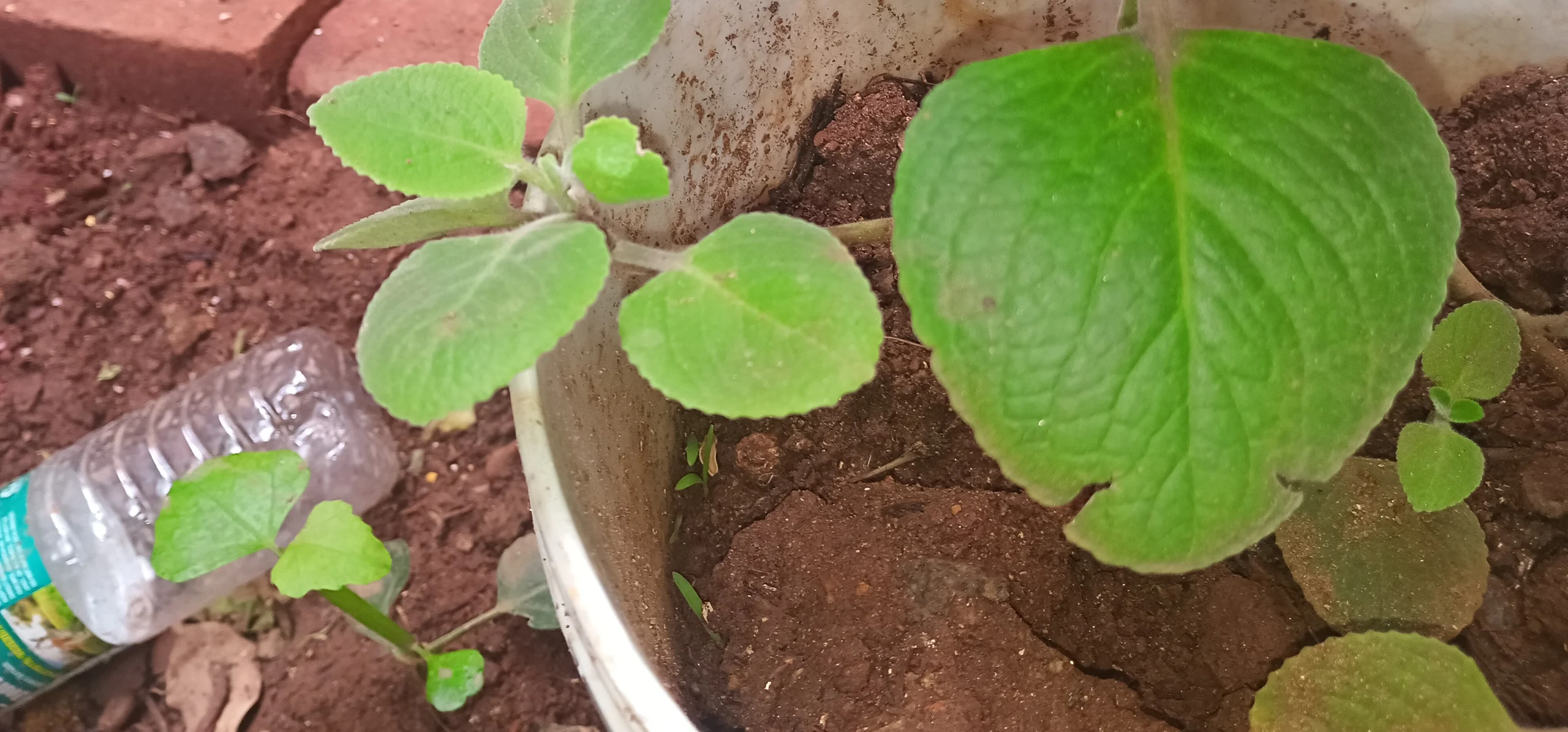
Spearmint (Mentha spicata) is the mint behind mint sauce, the mojito, and the sweet green tea poured from height across Morocco, where the 'Moroccan' form is grown at field scale. Its flavor comes mostly from carvone rather than menthol, which is why it reads as bright and grassy-sweet rather than cooling; 'Kentucky Colonel', a broad-leaved cultivar prized for mint juleps, is one of the best forms for the kitchen. Every part of the plant a new grower needs to know sits behind one habit: spearmint runs. Below ground it sends out pale rhizomes that can push a new shoot up half a metre away within a season, enough vigor to work through a neighbouring row of herbs before it is noticed.
Containing the Rhizomes Before You Plant
Plant spearmint with the containment decided in advance, not after it has escaped. The straightforward option is a pot, kept as a pot, on a patio or windowsill; the second is a large plastic pot with the base cut out, sunk into a bed so the rim sits an inch or two proud of the soil, which stops rhizomes travelling sideways while still letting roots draw on the ground below; the third is a dedicated bed edged with a solid barrier, at least 30 cm (12 in) deep, since rhizomes will simply dive under a shallow one. None of these barriers is optional once the plant is a year or two old. I have watched a single spearmint plug, tucked into the corner of a vegetable bed to save time, turn that corner into a solid mat of mint by the following summer, runners resurfacing through the gravel path on the other side of the edge.

Light, Soil, and Watering
Spearmint grows well in full sun and just as well in part shade, and in hot climates a little afternoon shade actually keeps the leaf tender for longer instead of toughening it. It wants soil that stays moist and rich rather than free-draining and lean: a loam, clay-loam, or amended sandy soil with a pH around 6.0 to 7.5 suits it, and it sulks visibly, with leaf edges curling and going matte, the moment the root zone dries out. In the ground with reliable rain it needs little help once established; in a pot it needs daily water through summer, since containers dry from the sides as well as the top. I water container mint when the top centimetre of compost is dry to the touch rather than on a fixed schedule, and stand pots in a shallow saucer during heatwaves.
Cutting Back for a Fresh Flush
Left alone, spearmint stems get leggy and push up flower spikes by midsummer, and leaf quality drops once flowering starts as the plant redirects energy into seed rather than foliage. Cutting the whole clump back hard, to within a few centimetres of the base, just as the first flower buds show, resets it: new shoots come up soft and full-flavoured within two to three weeks, and the plant stays compact rather than flopping open. I repeat the same hard cut in late summer, which gives a second flush of good leaf for autumn and stops late energy going into rhizome growth that will only need containing next spring.
Repotting or Dividing Every One to Two Years
A container-grown spearmint exhausts its pot faster than most herbs, because the rhizomes fill the available soil with a dense mat rather than a single root system. By the second year, watering that used to last two days starts draining straight through, a sign the pot is more root than compost. At that point I tip the whole thing out, cut away the tired, woody centre, and replant two or three vigorous rhizome pieces from the outer edge into fresh, rich potting mix. Left unrepotted for three or four years, spearmint in a container gets smaller-leaved and more prone to mildew, since crowded roots can no longer take up enough water to keep the canopy hydrated.
Harvesting, Drying, and Freezing
Leaf flavor peaks just before flowering, when the essential oil content in the foliage is highest, so the same hard cut that renews the plant doubles as the main harvest. Pick or cut in the morning after the dew has dried but before the sun has been on the leaves for hours, since the oils that carry the flavor are at their most concentrated then and start to volatilise in heat. For drying, hang small bunches somewhere warm, dark, and airy rather than in direct sun, which bleaches the colour and dulls the flavor; leaves are ready to jar once the stems snap rather than bend. For freezing, chopped leaves packed into ice cube trays with water or a little oil keep the fresh, grassy flavor far better than drying does, and a cube dropped straight into a sauce needs no thawing.
Propagation by Division and Runners, Not Seed
Spearmint seed is unreliable for anyone who wants a plant that matches the parent: the genus hybridizes readily, seedlings segregate widely in flavor and vigor, and named forms like 'Moroccan' or 'Kentucky Colonel' do not come true from their own seed at all. Division is the reliable route, and it is barely a technique: any chunk of rhizome with a growing tip, lifted in spring or autumn, will root on its own in moist soil. Runners rooted at a node while still attached to the mother plant can simply be cut free and potted up. Stem cuttings work too, rooting fastest in a glass of water on a windowsill within a week or two, the easiest way to start a new pot from a friend's plant.
Mint Rust, Mint Beetle, and the Line Between Spearmint and Peppermint
Mint rust (Puccinia menthae) shows up as small, dusty orange pustules on the undersides of leaves and on distorted, pale, swollen shoots in spring; there is no cure once it takes hold; infected stems should be cut right to the ground and burned or binned, never composted, since the spores overwinter in plant debris and in the rhizomes themselves. Mint beetle, a small metallic green leaf beetle, and its grubs skeletonize leaves from beneath and are usually controlled by hand-picking rather than spraying a plant destined for the kitchen; aphids cluster on soft new growth after a hard cut and wash off with a strong jet of water. Powdery mildew tends to appear on plants whose roots have gone dry, another reason container mint needs closer watching. On naming: peppermint (Mentha × piperita) is a sterile hybrid of spearmint and water mint, propagated only by division since it sets no viable seed, and its oil is dominated by cooling menthol where spearmint's is carvone, the whole reason the two taste so different despite sharing a parent. The ASPCA lists mint among plants that are toxic to cats, dogs, and horses in quantity, with the essential oils as the toxic principle, so keep a pot out of easy chewing range even though a nibbled leaf here and there is the ingredient in a garden salad. Left to flower instead of cut back, spearmint's small mauve spikes draw bees and hoverflies in useful numbers, which is worth leaving one uncontained pot to do if there is room for it.
Test your plant knowledge
Tap a card to flip it and reveal the answer.
Spearmint can be planted straight into an open garden bed and will stay where it was put. Tap to reveal ✕ False
Cutting spearmint back hard just before it flowers encourages a fresh flush of tender leaves. Tap to reveal ✓ True
Growing spearmint from seed is the most reliable way to get a plant identical to the parent. Tap to reveal ✕ False
Orange pustules on the underside of mint leaves are a sign of mint rust, and infected stems should be cut to the ground and destroyed. Tap to reveal ✓ True
The ASPCA lists mint as toxic to cats, dogs, and horses in large quantities, mainly because of its essential oils. Tap to reveal ✓ True
Sources
References consulted for this guide
- Mentha spicata L., GBIF Backbone Taxonomygbif.org
- Mentha spicata subsp. spicata, Plants of the World Online, Kew Sciencepowo.science.kew.org
- ASPCA: Mint (Garden Mint) toxicity to petsaspca.org
- RHS: Mint rustrhs.org.uk
- NC State Extension Gardener Plant Toolbox: Garden Mint (Mentha spicata)plants.ces.ncsu.edu
- Reference entity : Wikipédiaen.wikipedia.org