Tree Philodendron
Philodendron bipinnatifidum
Family · Araceae
Philodendron bipinnatifidum care: bright indirect light, moist soil, potting, pruning the trunk, propagation, and toxicity to dogs, cats and horses.
Philodendron bipinnatifidum
Plant profile
- WateringModerateWater every 7 days
- Light exposureIndirect light
- Hardiness zoneUSDA 9–11
Growth
- Family
- Araceae
- Life cycle
- Perennial
- Growth speed
- 6/10
- Mature size
- 300–460 cm
- Spread
- 300–460 cm
- Flowering
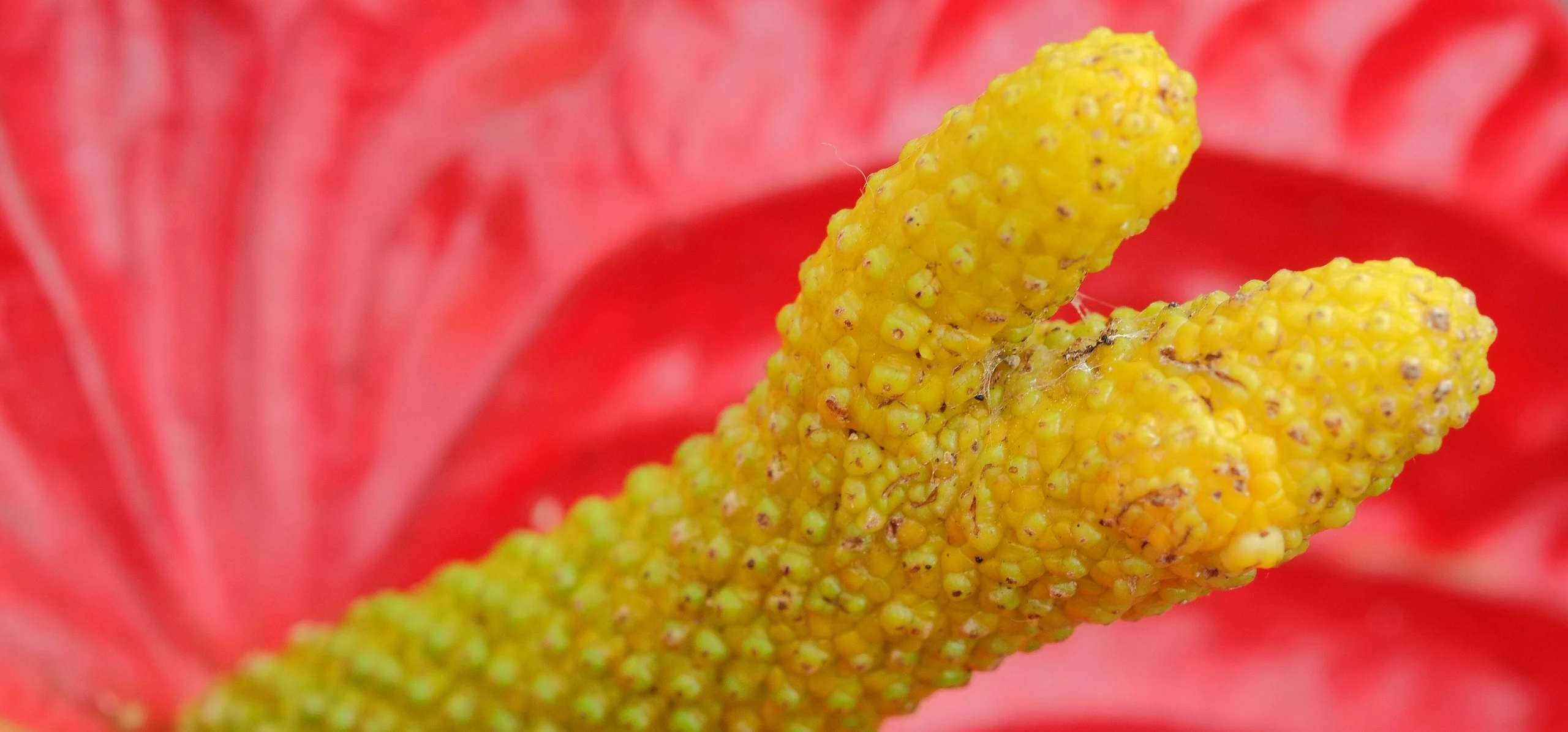
- Rare on indoor plants; white flowers on a spadix inside a purplish-red spathe
- Propagation
- Cutting
- Division
DormancyEvergreen; growth slows in cooler, low-light winter months
Time to maturitySeveral years to form a visible trunk and full-size, deeply lobed leaves
Soil & climate
- Soil types
- Rich, well-drained potting mix, Loam amended with organic matter
- Drought tolerance
- No
Light & Placement
- Origin
- Eastern Bolivia to southeastern and southern Brazil and northeastern Argentina
- Where to place it
- Bright room a few steps back from an east or west window
- Spot with filtered, indirect daylight all day
- Dappled shade under a high tree canopy (zones 9-11)
- Border with morning sun and afternoon shade
- Wide, sturdy pot with drainage holes to anchor the heavy canopy
Safety
- Toxicity
- CatsToxic
- DogsToxic
- HorsesToxic
- HumansToxic
Invasive speciesNot regulated as invasive, but can self-seed and persist outside cultivation in warm, humid climates such as Florida
Data fromPhilodendron bipinnatifidum Schott ex KuPhilodendron bipinnatifidum Schott ex EnLacy Tree Philodendron toxicity, ASPCA APhilodendron bipinnatifidum, Missouri Bo
Where it grows
World distribution
Tree Philodendron is native to 4 countries: Argentina, Bolivia, Brazil, and Paraguay.GBIF records 188 documented identifications across 20 countries, with the largest concentrations in Australia, Brazil, and United States.
- Argentina
- Bolivia
- Brazil
- Paraguay
Yellow to orange dots: concentration of documented identifications per country. Green countries: sourced native range. Source: GBIFNative range from POWO (Kew).
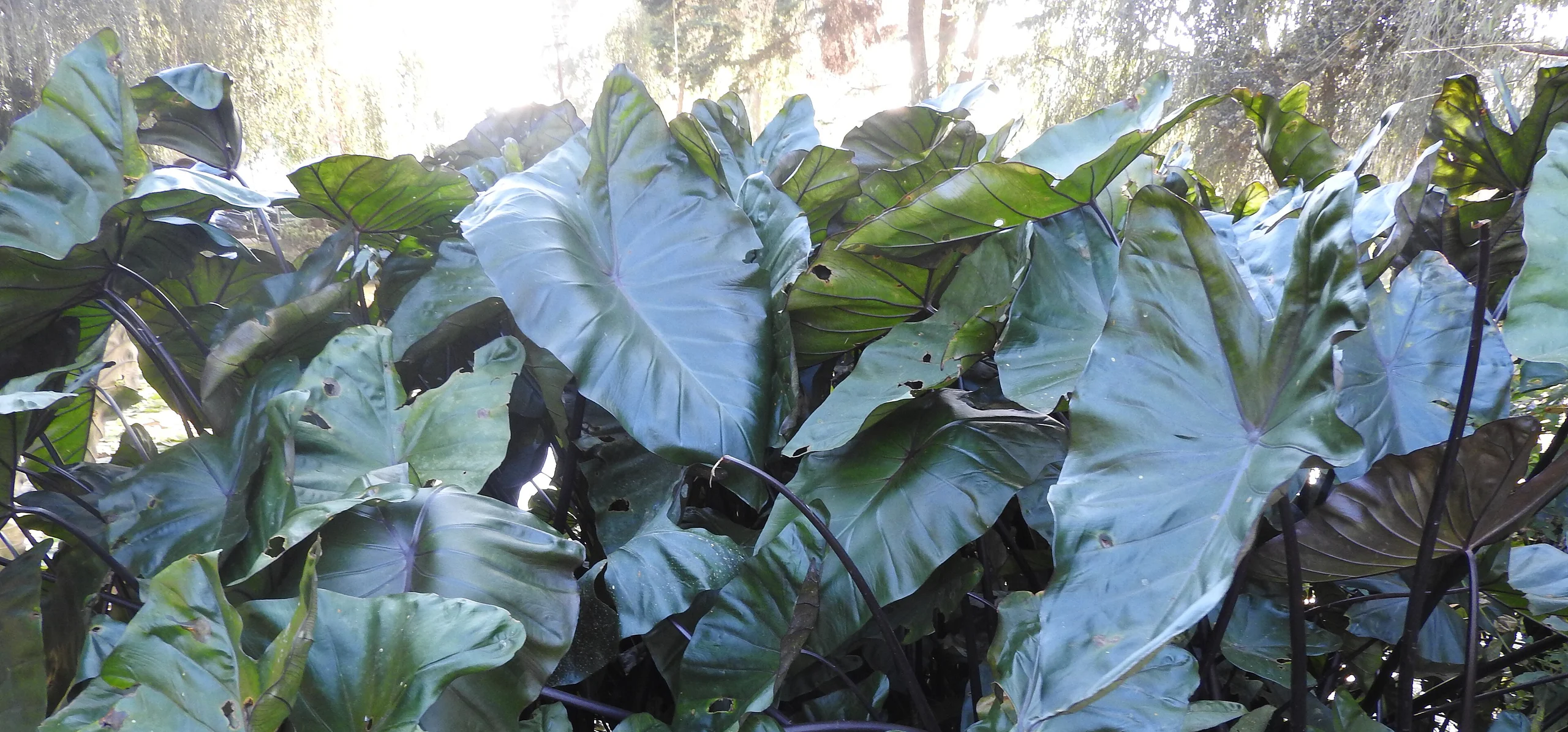
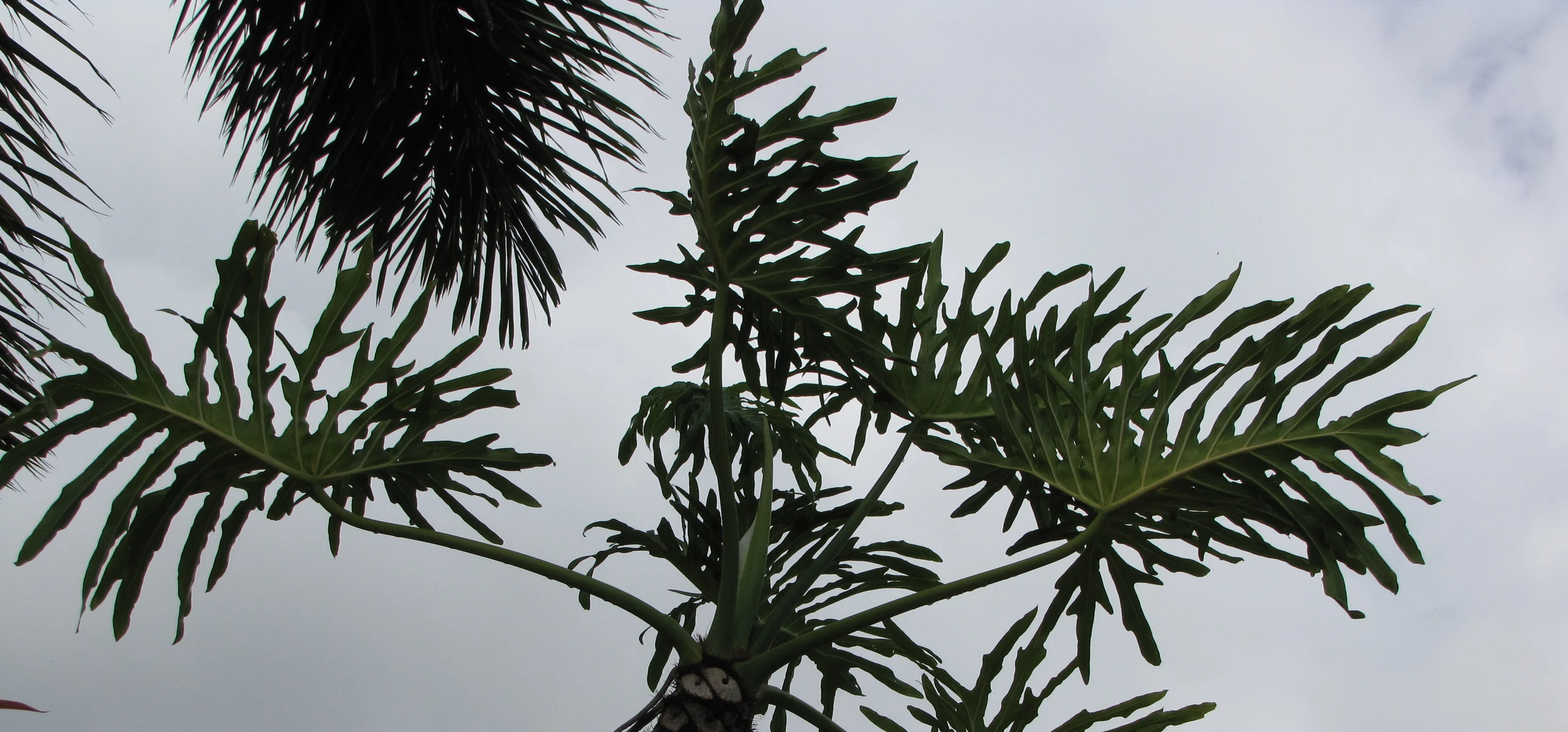
Philodendron bipinnatifidum arrives in nurseries as a squat rosette of deeply cut, glossy leaves, but left alone it becomes a small tree: a thick, self-supporting stem ringed with the scars of leaves it has shed, topped by a crown of foliage that can spread wider than a person is tall. It is one of the toughest aroids sold as a houseplant, tolerant of the low light and irregular attention that kill fussier tropicals, and it asks for three things above all: bright indirect light, soil that never fully dries out, and a pot heavy enough not to tip once the canopy gets top-heavy. Confusingly, the plant on the label might read Philodendron selloum or, on a more recent tag, Thaumatophyllum bipinnatifidum: all three names point to the same species.
Naming, origin and what you actually have
The accepted botanical name in the GBIF and POWO reference databases is still Philodendron bipinnatifidum, even though a 2018 study by Sakuragui, Calazans and Mayo moved this plant and its closest relatives into a new genus, Thaumatophyllum, based on DNA evidence and the trunk-forming, leaf-shedding growth habit that sets them apart from climbing philodendrons. Nursery tags and some newer references now use Thaumatophyllum bipinnatifidum, and older stock is still commonly sold under the earlier synonym Philodendron selloum, the name the ASPCA still uses on its toxicity page for this exact species. Whichever label you find on the pot, it is the same plant.
Its native range runs from eastern Bolivia through southeastern and southern Brazil into northeastern Argentina, where it grows as an understorey shrub in seasonally dry tropical forest rather than as a true climbing vine. In frost-free parts of the world it has become a common landscape plant, and in the United States it is grown outdoors in USDA hardiness zones 9 to 11.
Light and placement
Outdoors this species grows in part shade: morning sun with afternoon shelter, or the dappled light under a high tree canopy. Full, unfiltered midday sun scorches the leaves, leaving pale, papery patches that never green up again. Indoors, aim for the brightest spot that still avoids direct rays through the glass, a few steps back from an east or west window, or anywhere that gets bright but indirect light for most of the day. In a dim corner the plant survives but stops producing the big, deeply lobed leaves that make it worth growing in the first place, new growth comes in smaller and far less cut.
Watering
This is not a plant that forgives drying out. Missouri Botanical Garden's own culture notes describe it as needing consistent, regular moisture and intolerant of drought, so let the top two or three centimetres of soil dry before watering again rather than waiting for the whole pot to go dry. Water until it runs from the drainage holes, then let the pot drain fully, standing water at the base invites the root rot that is the plant's main killer indoors. In a warm room expect to water roughly once a week, more often if the pot is small relative to the plant's size, less in winter when growth slows.


Soil, potting and feeding
A rich, well-drained mix does the job: a standard potting soil cut with perlite or orchid bark drains fast enough to avoid waterlogging while still holding the moisture this plant wants. Because a mature specimen gets heavy and top-heavy with age, choose a wide, sturdy pot with generous drainage rather than a tall, narrow one that a stem this size can tip over. Feed during the growing season with a balanced liquid fertiliser at half strength every four to six weeks, and stop over winter when the plant is not actively pushing new leaves, unused fertiliser just accumulates as salt in the soil and can burn the roots.
Growth habit, trunk and pruning
Unlike climbing philodendrons that need a moss pole, Philodendron bipinnatifidum is self-heading: it builds its own short, thick, self-supporting trunk instead of scrambling up a support. As each new leaf matures, an older lower leaf yellows and drops, leaving a ring-shaped scar on the stem. Over years these scars stack into the ringed, almost palm-like trunk that gives the plant its tree-like silhouette in habitat, where it can reach roughly three to four and a half metres tall with a trunk up to about fifteen centimetres across; a potted houseplant stays far smaller. Pruning is mostly about removing spent lower leaves and any growth that has outgrown the space, cut with clean shears close to the stem and wear gloves, the sap can irritate skin.
Thick, cord-like aerial roots emerge from the stem and hang down or root into the surrounding soil. They are functional, not decorative, anchoring the plant and helping it draw in extra moisture. Leave them alone unless they are in the way; trimming a few does no lasting harm.
Propagation
The easiest method is a stem cutting: take a section with at least one node and an aerial root attached, let the cut callus over for a few hours, then set it in water or a moist, airy mix until roots develop. Mature plants also produce offsets, basal shoots at the base of the trunk, which can be separated with a clean cut and potted on their own once they have a few roots of their own. This route is faster than a cutting because it skips the rooting wait entirely.
Pests, diseases and common mistakes
Left indoors this is a relatively trouble-free plant. Watch for aphids and spider mites on new growth, and mealybugs or scale hiding in the leaf axils and along the trunk, an insecticidal soap or diluted neem oil applied every five to seven days for a few weeks clears light infestations. Leaf spot can appear on foliage that stays wet too long, improve air movement and avoid overhead watering to prevent it. The most common real mistake is the opposite of neglect: overwatering a pot with poor drainage, which drowns the roots and leads to the sour smell and blackened, mushy base that mean root rot has already set in.
Toxicity and pet safety
Like most aroids, every part of this plant contains insoluble calcium oxalate crystals. The ASPCA lists it, under the synonym Philodendron selloum, as toxic to dogs, cats and horses: chewing or biting into a leaf or stem releases needle-shaped crystals that cause immediate oral irritation, burning of the mouth and lips, drooling, and in more severe cases vomiting or difficulty swallowing. The same sap can irritate human skin and eyes on contact, so wear gloves when pruning or repotting, and keep the plant out of reach of pets and small children who might chew on a fallen leaf.
Test your plant knowledge
Tap a card to flip it and reveal the answer.
Philodendron bipinnatifidum is self-heading, meaning it forms its own trunk instead of climbing like many other philodendrons. Tap to reveal ✓ True
The deep cuts along the leaf edges are true holes, the same as the fenestrations on a Monstera deliciosa. Tap to reveal ✕ False
This plant tolerates letting its soil dry out completely between waterings. Tap to reveal ✕ False
GBIF and POWO currently list Thaumatophyllum bipinnatifidum, not Philodendron bipinnatifidum, as the accepted name. Tap to reveal ✕ False
The ASPCA lists this plant as toxic to dogs, cats and horses. Tap to reveal ✓ True
Sources
References consulted for this guide
- Philodendron bipinnatifidum Schott ex Kunth, GBIF Backbone Taxonomygbif.org
- Philodendron bipinnatifidum Schott ex Endl., Plants of the World Online (Kew)powo.science.kew.org
- Lacy Tree Philodendron toxicity, ASPCA Animal Poison Controlaspca.org
- Philodendron bipinnatifidum, Missouri Botanical Garden Plant Findermissouribotanicalgarden.org
- Reference entity : Wikidatawikidata.org