Colorado Blue Spruce
Picea pungens
Family · Pinaceae
Colorado blue spruce needs full sun, well-drained soil with pH 5 to 8, and protection from Rhizosphaera needle cast to keep its silvery-blue color.
Picea pungens
Plant profile
- WateringModerateWater every 10 days
- Light exposureFull sun
- Hardiness zoneUSDA 2–7
Growth
- Family
- Pinaceae
- Life cycle
- Perennial
- Growth speed
- 4/10
- Mature size
- 900–1800 cm
- Spread
- 300–600 cm
- Flowering
- Non-flowering conifer; cones form on mature trees
- Propagation
- Seed
- Cutting
- Grafting
Dormancyevergreen; growth slows in winter
Soil & climate
- Soil pH
- pH 5–8
- Soil types
- clay, loam, sand, rocky
- Saline soil
- Partially tolerated
- Drought tolerance
- No
Light & Placement
- Origin
- Rocky Mountains of the United States
- Where to place it
- open lawn or specimen site away from structures
- windbreak or screen row spaced to eventual spread
- large rock garden or conifer bed (dwarf cultivars)
- large container for a young tree or dwarf cultivar before permanent planting
Safety
- Toxicity
- Not evaluated by the ASPCA; toxicity undetermined
- Pet safe
- No
Data fromGBIF Backbone Taxonomy: Picea pungens EnPlants of the World Online (Kew): Picea NC State Extension Gardener Plant ToolboCornell Woody Plants Database: Picea punPenn State Extension: Cytospora Canker o
Where it grows
World distribution
Colorado Blue Spruce is native to a single country: United States.GBIF records 22,042 documented identifications across 52 countries, with the largest concentrations in United States, France, and Germany.
- United States
Yellow to orange dots: concentration of documented identifications per country. Green countries: sourced native range. Source: GBIFNative range from POWO (Kew).
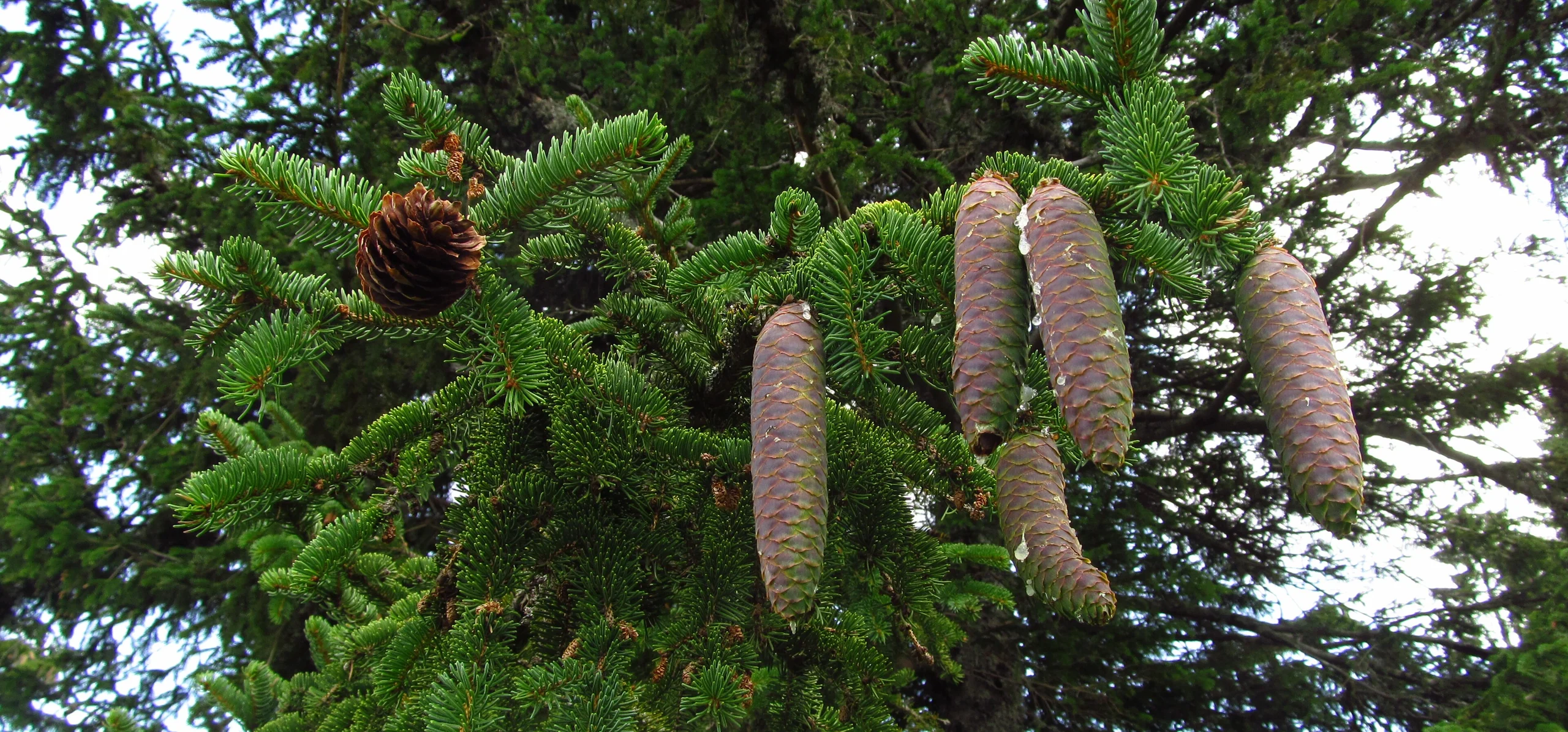
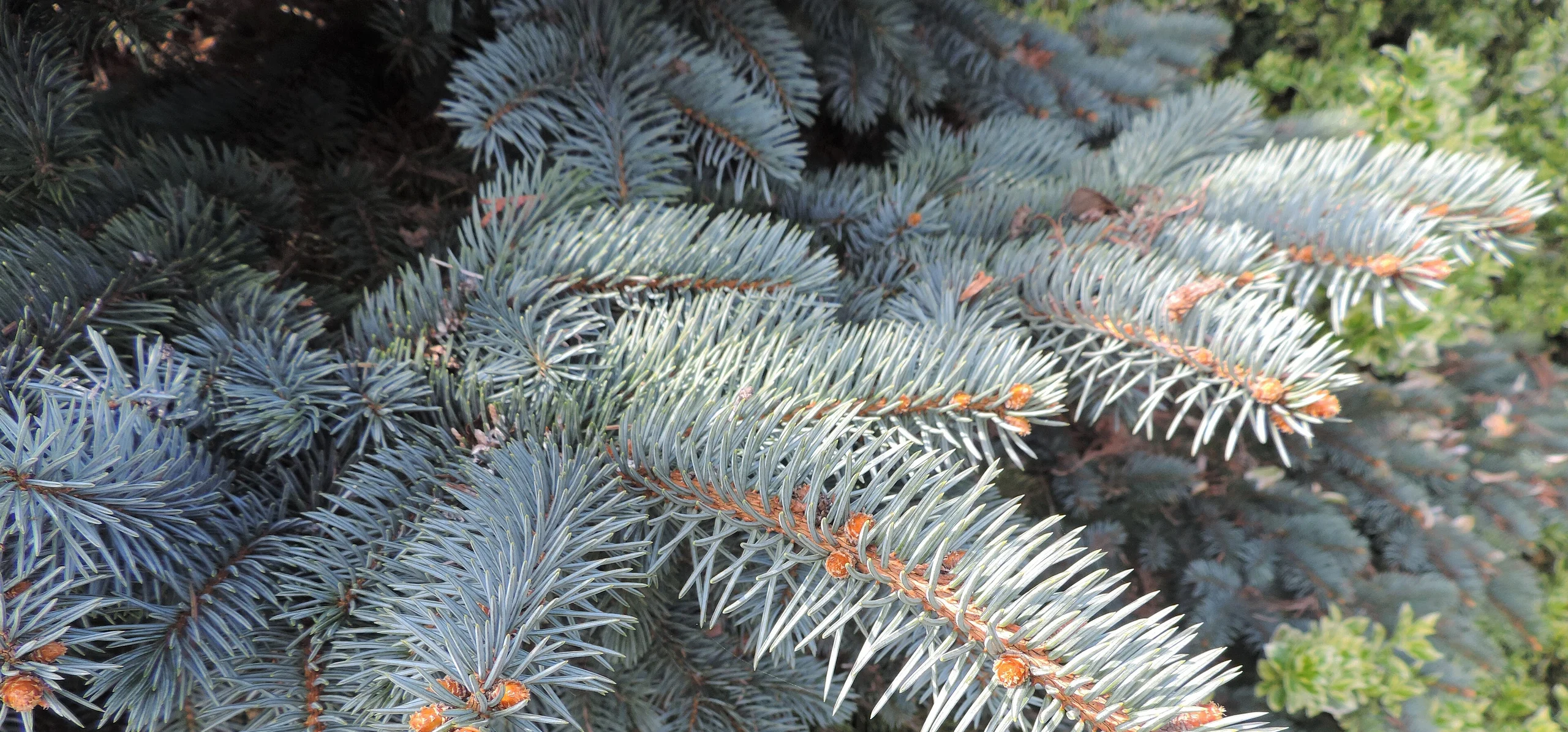
A Colorado blue spruce (Picea pungens) is bought for one reason above all: the steel-blue to silvery needle color that no other widely planted conifer matches so consistently. That color comes from a waxy bloom on the needle surface, and it varies tree to tree even within the species, which is why the bluest specimens are sold as named, grafted cultivars rather than seedlings. Before planting one, it helps to know what it becomes: a narrow, pyramidal tree that the species can carry to 30 to 60 feet tall and 10 to 20 feet wide in cultivation, according to North Carolina State Extension, with stiff, sharp needles that give the species its Latin name, pungens, meaning sharp or piercing.
A Rocky Mountain Native, Not a Garden Hybrid
Plants of the World Online lists the native range of Picea pungens as the Rocky Mountains of the United States, and GBIF places the species in the conifer family Pinaceae alongside firs, larches and pines. In the wild it grows at high elevation along streams and moist slopes through Colorado, Utah, Wyoming and neighboring states, a cooler, drier mountain habitat than the one most garden specimens end up in. That mismatch matters: the tree tolerates heat poorly and performs best where summers stay relatively cool, one reason it is planted far more often in the northern and mountain states than in hot, humid regions.
Sizing It Up: Species Tree or Grafted Cultivar
A specimen sold simply as "blue spruce" is usually a seed-grown tree, with needle color ranging from ordinary green to silvery blue and mature size at the full 30 to 60 foot range. Growers who want a guaranteed color and a more predictable size instead choose named cultivars such as 'Hoopsii', 'Fat Albert' or 'Montgomery', propagated by grafting a cutting from a specific blue-needled tree onto ordinary spruce seedling rootstock. This is also why a labeled cultivar costs more than an unnamed seedling of the same size: grafting is slower and more labor-intensive than growing from seed. Whichever form is planted, give it open ground well clear of the house, since even a compact cultivar will eventually crowd a foundation planting bed.


Hardiness, Light and Placement
North Carolina State Extension rates the species hardy across USDA zones 2 through 7, and it wants full sun, at least six hours of direct light a day, to keep its form dense and its color at its bluest; light shade is tolerated but thins the canopy over time. Because the tree eventually reaches full size, the placement decision made at planting is largely permanent: an open lawn, a windbreak row spaced to the eventual spread, or a large rock garden for a dwarf cultivar are all better choices than a spot within a few feet of a path, driveway or window.
Soil and the Trouble With Transplanting
Cornell University's Woody Plants database records Picea pungens as tolerant of a wide soil pH range, from 5.0 to 8.0, and adaptable to clay, loam, sandy or shallow rocky ground provided drainage is reasonably good; the same source notes it tolerates salt spray, which makes it a workable choice near a road that gets winter de-icing salt. The one soil-related catch is transplanting itself: Cornell lists this species as difficult to move once established, and recommends transplanting balled-and-burlapped stock only in spring or fall. A young tree still in its nursery pot or burlap wrap is far more forgiving than one already several years into the ground, so choose the final planting site carefully the first time.
Watering: Consistent Moisture, Not Drought
The species wants soil kept consistently moist, particularly through its first one to two growing seasons while roots establish, and only tolerates occasional dry spells once mature. It is not a genuinely drought-tolerant conifer in the way a native pinyon pine is, and letting a young tree dry out repeatedly is one of the more common reasons a newly planted spruce declines. Deep, infrequent watering that soaks the full root zone works better than frequent shallow watering, and a mulch ring kept a few inches back from the trunk helps hold moisture through a dry summer stretch.
Needle Cast and Cytospora Canker: The Two Diseases to Watch
Colorado blue spruce is particularly prone to Rhizosphaera needle cast, a fungal disease that first mottles older, interior needles with dull yellow or reddish spots in late summer before those needles turn purplish brown and drop, usually starting on the lowest branches. Wet spring weather spreads the fungus between branches, so spacing trees for airflow and avoiding overhead watering reduces the risk more reliably than any spray timed after symptoms appear. The second disease to watch is cytospora canker: Penn State Extension explains that the causal fungus infects readily through wounds and branch stubs but stays dormant unless the tree is stressed by drought, at which point cankers form on lower branches and, during wet weather, ooze spores in long yellowish threads that rain splashes onto neighboring branches, letting the disease climb the tree over several years. Keeping the tree adequately watered in dry spells, and pruning out dead or cankered branches with disinfected tools, are the main defenses extension foresters recommend, since fungicide timing against a latent infection is unreliable.
Toxicity and Pets
The ASPCA's toxic and non-toxic plant lists carry no entry for Picea pungens or for the genus Picea, so there is no official determination of toxicity to cats, dogs or horses from that source. That absence is not a confirmed clean bill of health, and like most conifers, broken needles and resin can cause mild mouth or skin irritation in a pet that chews on them, so it is sensible to keep curious animals from gnawing on fallen branches or dropped cones even without a documented poisoning risk.
Test your plant knowledge
Tap a card to flip it and reveal the answer.
Colorado blue spruce is native to the Rocky Mountains of the western United States. Tap to reveal ✓ True
This species only tolerates acidic soil and struggles in alkaline ground. Tap to reveal ✕ False
A mature, established Colorado blue spruce transplants easily. Tap to reveal ✕ False
Drought-stressed trees are more likely to develop cytospora canker. Tap to reveal ✓ True
The ASPCA lists Colorado blue spruce as toxic to cats and dogs. Tap to reveal ✕ False
Sources
References consulted for this guide
- GBIF Backbone Taxonomy: Picea pungens Engelm.gbif.org
- Plants of the World Online (Kew): Picea pungens Engelm.powo.science.kew.org
- NC State Extension Gardener Plant Toolbox: Picea pungensplants.ces.ncsu.edu
- Cornell Woody Plants Database: Picea pungenswoodyplants.cals.cornell.edu
- Penn State Extension: Cytospora Canker on Spruceextension.psu.edu
- Reference entity : Wikipédiaen.wikipedia.org