Swedish Ivy
Plectranthus verticillatus
Family · Lamiaceae
Swedish ivy roots in a glass of water within days and drops leaves at the first cold draught. The light, watering and pinching routine that keeps it full.
Plectranthus verticillatus
Plant profile
- WateringModerateWater every 7 days
- Light exposureIndirect light
- Ideal temperature5–27 °C
- Hardiness zoneUSDA 10–11
Growth
- Family
- Lamiaceae
- Life cycle
- Perennial
- Growth speed
- 7/10
- Mature size
- 10 cm
- Spread
- 50–100 cm
- Flowering
- Loose spikes of white, purple-dotted flowers, about 2 cm long, in summer
- Propagation
- Seed
- Cutting
DormancyNo true dormancy; growth slows in cool, low-light winters
Time to maturityFills a hanging basket within one growing season
Soil & climate
- Soil types
- Loam or sandy potting mix, Standard free-draining houseplant mix
- Drought tolerance
- Yes
Light & Placement
- Origin
- Southern Africa (S. Mozambique to S. Africa); naturalized in parts of the tropics
- Where to place it
- A few feet back from a bright east or west window
- Filtered light near a south-facing window
- Partial shade, sheltered from strong wind (USDA zones 10 to 11 year-round)
- Hanging basket to show off the trailing stems
- Wide, shallow pot for a pinched, bushy plant
Safety
- Toxicity
- CatsSafe
- DogsSafe
- HorsesSafe
Invasive speciesNaturalized outside cultivation in Hawaii, Puerto Rico, parts of the Caribbean, and coastal Queensland and New South Wales (POWO)
Data fromPlectranthus verticillatus (L.f.) Druce,Plectranthus verticillatus (Swedish ivy)Swedish Ivy, ASPCA Toxic and Non-Toxic P
Where it grows
World distribution
Swedish Ivy is native to 3 countries: Eswatini, Mozambique, and South Africa.GBIF records 1,077 documented identifications across 35 countries, with the largest concentrations in South Africa, Australia, and Brazil.
- Eswatini
- Mozambique
- South Africa
Yellow to orange dots: concentration of documented identifications per country. Green countries: sourced native range. Source: GBIFNative range from POWO (Kew).
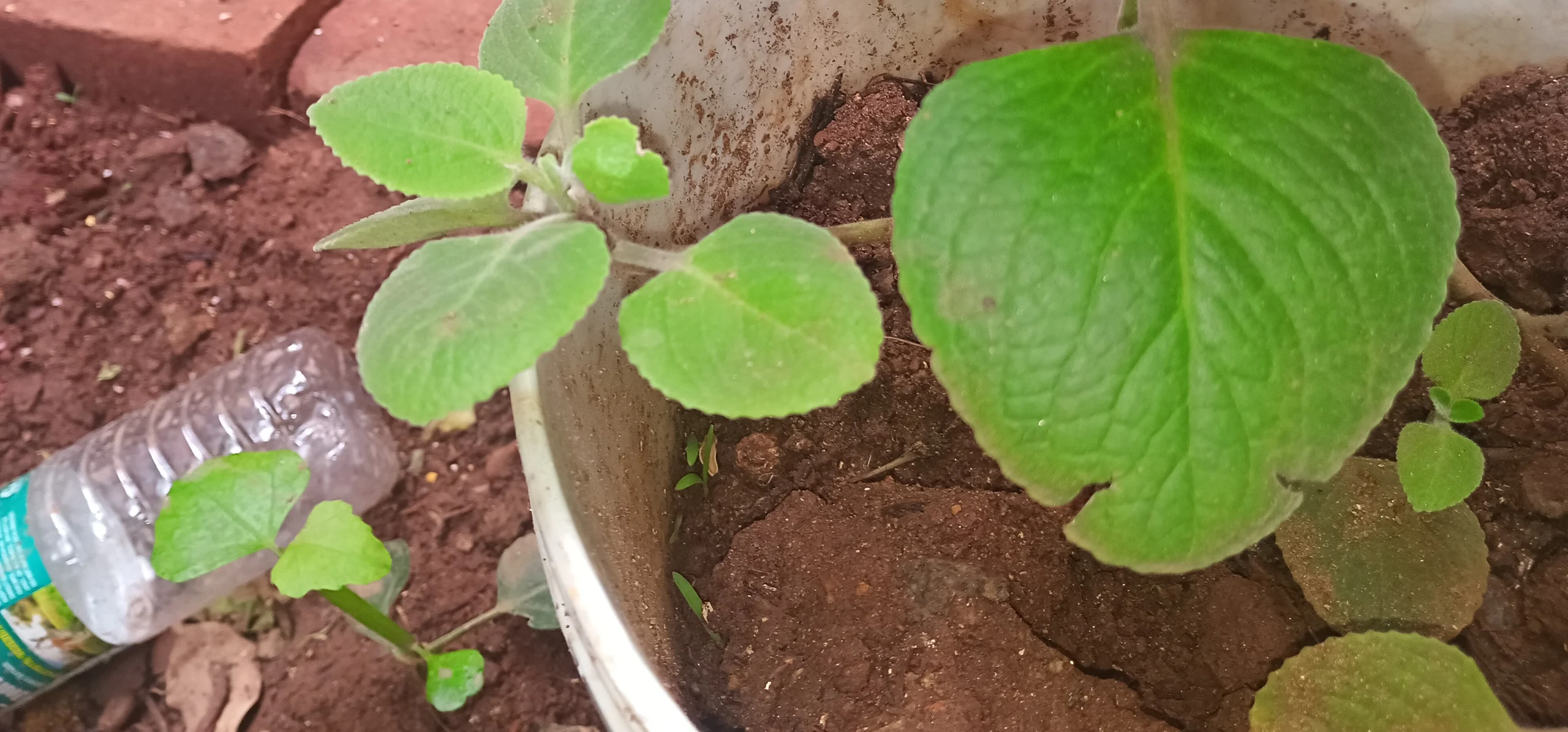
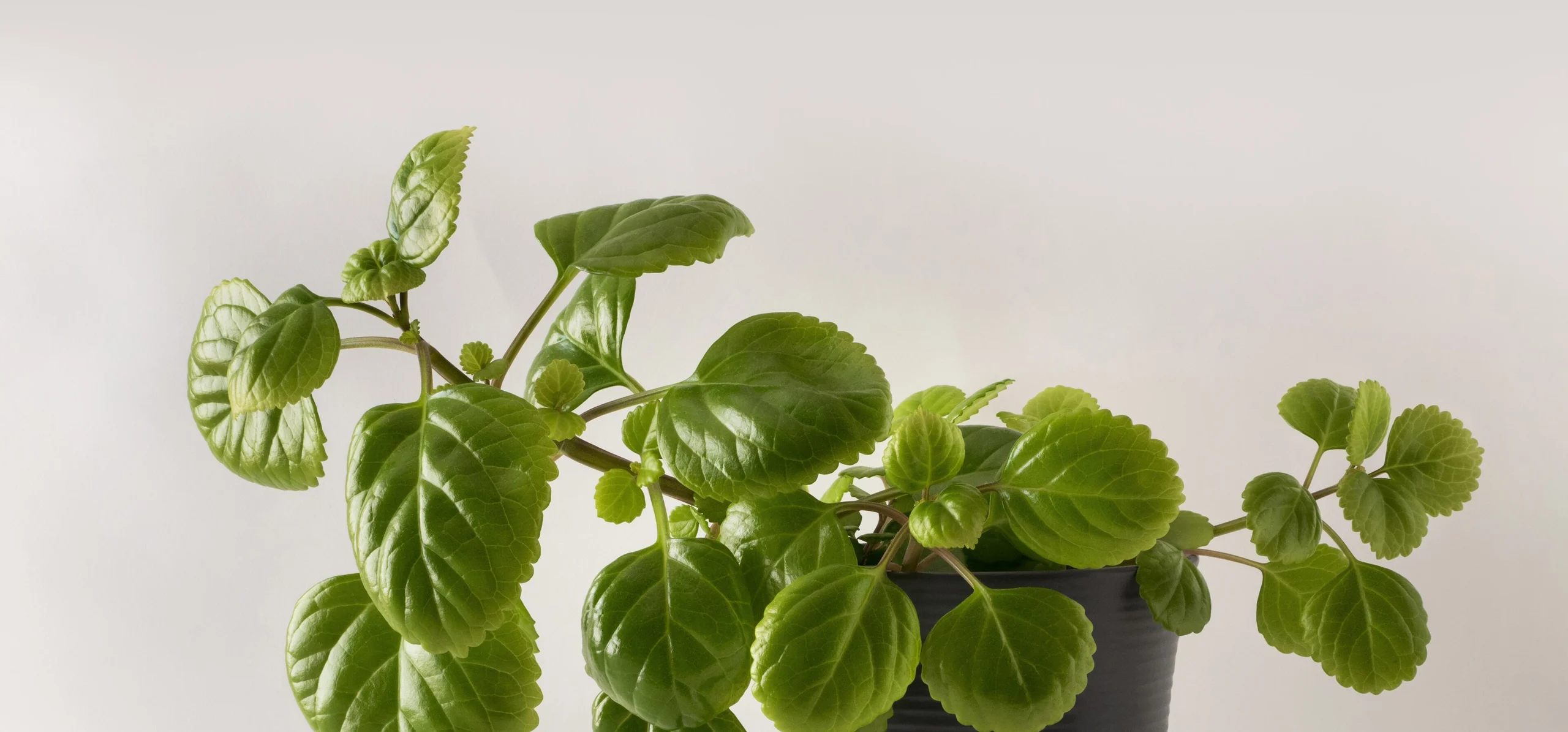
Plectranthus verticillatus, sold almost everywhere as Swedish ivy, is a trailing member of the mint family with glossy, scalloped, rounded leaves and stems flushed deep purple on the underside. Give it bright, indirect light and let the top of the potting mix dry out between waterings, and a small starter cutting fills a hanging basket with cascading stems in a single growing season. Pinch the growing tips back every few weeks and the plant stays dense and leafy; skip that step and it thins into long bare runners with leaves only near the tips. It is one of the easiest houseplants to propagate, since almost any stem cut and stood in a glass of water sends out roots on its own.
A Southern African Mint, Not an Ivy and Not Swedish
The common name is misleading twice over. Plants of the World Online records the native range of Plectranthus verticillatus as southern Mozambique to South Africa, nowhere near Scandinavia; the Swedish tag comes from the plant's long popularity as an easy, fast trailing windowsill plant in Sweden and the rest of northern Europe, and it stuck even as the plant spread to homes worldwide. It is not related to true ivy either: Hedera belongs to the ginseng family, Araliaceae, while this species sits in the mint family, Lamiaceae, alongside basil, sage and coleus, and shares their square stems and paired, opposite leaves. GBIF's accepted name for the species is Plectranthus verticillatus (L.f.) Druce; older labels sometimes still turn up as Plectranthus nummularius or Ocimum verticillatum, both now treated as synonyms. Outside cultivation, POWO also records it as naturalized well beyond its native range, including Hawaii, Puerto Rico, parts of the Caribbean, and coastal Queensland and New South Wales in Australia, where garden escapes have rooted in shaded, damp ground and now persist without any help from a gardener.
Light and Placement
Bright, indirect light keeps the leaves glossy and the stems compact; a spot a few feet back from an east or west window, or filtered light close to a south-facing one, suits it well. Strong, unfiltered midday sun through glass scorches the leaves, leaving pale, papery patches, while too little light does the opposite kind of damage: the stems stretch between leaves, growth turns thin and floppy, and the purple coloring on the stem undersides fades. Rotate the pot every week or two so the trailing stems grow evenly around the plant rather than reaching all toward the light source and leaving the back of the pot bare.
Watering
Water when the top of the potting mix has dried, then soak thoroughly until water runs from the drainage holes, and let the pot drain fully before it goes back on a saucer or into a cachepot. The leaves and stems hold some moisture, so the plant recovers well from a missed watering: leaves go soft and the stems droop, then plump back up within a few hours of a good soak. What it does not tolerate is sitting in wet soil, since constantly damp mix at the base of the stems leads to soft, blackened rot that can spread up into the crown before it is obvious from the foliage above.


Pinching for a Full, Bushy Plant
Left alone, each stem just keeps extending from its tip, so a plant that starts full and compact soon opens up into long bare runners with a tuft of leaves only at the very end. Pinching off the growing tip just above a leaf pair breaks that habit: it forces two new shoots from the nodes below the cut, and repeating the pinch every few weeks through spring and summer keeps the plant dense instead of stringy. The Royal Horticultural Society specifically recommends pruning young plants hard to build a bushy shape before they are left to trail, which matters more here than with slower growers since this species branches and fills back in quickly.
Propagating from Cuttings in Water
This is one of the simplest houseplants to multiply. A four to six inch tip cutting, taken just below a node and stripped of its lowest leaf pair, roots on its own in a glass of water set on a bright windowsill, sending out visible white roots before any new leaf growth appears. Once the roots are an inch or so long, the cutting can go straight into the same free-draining mix as the parent plant, or several cuttings can be pressed into one pot together for an instantly full-looking plant rather than waiting on a single stem to branch out. The pinched tips removed during routine shaping are not wasted; they are the easiest source of new cuttings, since they are already the right length and freshly cut.
Flowering
Given enough light, mature stems send up loose, upright spikes of small white flowers dotted with purple, each about two centimetres long, through summer, according to the RHS. Indoor plants kept in average room light flower only sporadically or not at all, since the display depends on stronger light than most houseplant spots provide; a summer outdoors or a spell under strong grow lights is usually what triggers it. The flower spikes are not showy enough to be the reason most people grow this plant, but cutting them back once they fade redirects the plant's energy into leaf growth and a fuller shape.
Cold Draughts, Winter Care and a Summer Outdoors
The RHS rates Swedish ivy H2, tolerant of low temperatures down to around 1 to 5°C but not surviving an actual freeze, so it needs to come indoors well before the first frost anywhere outside USDA hardiness zones 10 to 11. Even indoors, a sudden cold draught from a draughty window, an unheated porch, or a blast of air conditioning can shock the plant into dropping leaves within a day or two, often before any other sign of stress shows. Moving it outdoors for summer suits it well: a partly shaded spot, sheltered from strong wind and the harshest midday sun, lets it grow faster than it typically does indoors, as long as it comes back inside before nights turn cold in autumn.
Pests, Common Mistakes and Pet Safety
The RHS lists this species as generally free of pests and diseases, which holds true as long as the plant is not left sitting in wet soil; root and stem rot from overwatering, not insects, is the problem most likely to turn up. The next most common mistake is skipping the pinching routine until the plant is already leggy, at which point a hard cutback to just above a lower leaf pair recovers it faster than gradual trimming would. The ASPCA lists Swedish ivy as non-toxic to cats, dogs and horses, which makes it a reasonably safe trailing plant to grow within reach of curious pets, though nibbled foliage is still worth discouraging for the plant's own shape.
Test your plant knowledge
Tap a card to flip it and reveal the answer.
Swedish ivy is a true member of the ivy family, Araliaceae. Tap to reveal ✕ False
Plectranthus verticillatus is native to southern Africa, not Sweden. Tap to reveal ✓ True
Stem cuttings root readily in a plain glass of water. Tap to reveal ✓ True
A sudden cold draught can make the leaves drop. Tap to reveal ✓ True
The ASPCA lists Swedish ivy as toxic to cats and dogs. Tap to reveal ✕ False
Sources
References consulted for this guide
- Plectranthus verticillatus (L.f.) Druce, GBIF Backbone Taxonomygbif.org
- Plectranthus verticillatus (L.f.) Druce, Plants of the World Online (Kew)powo.science.kew.org
- Plectranthus verticillatus (Swedish ivy), RHSrhs.org.uk
- Swedish Ivy, ASPCA Toxic and Non-Toxic Plantsaspca.org
- Reference entity : Wikipédiaen.wikipedia.org