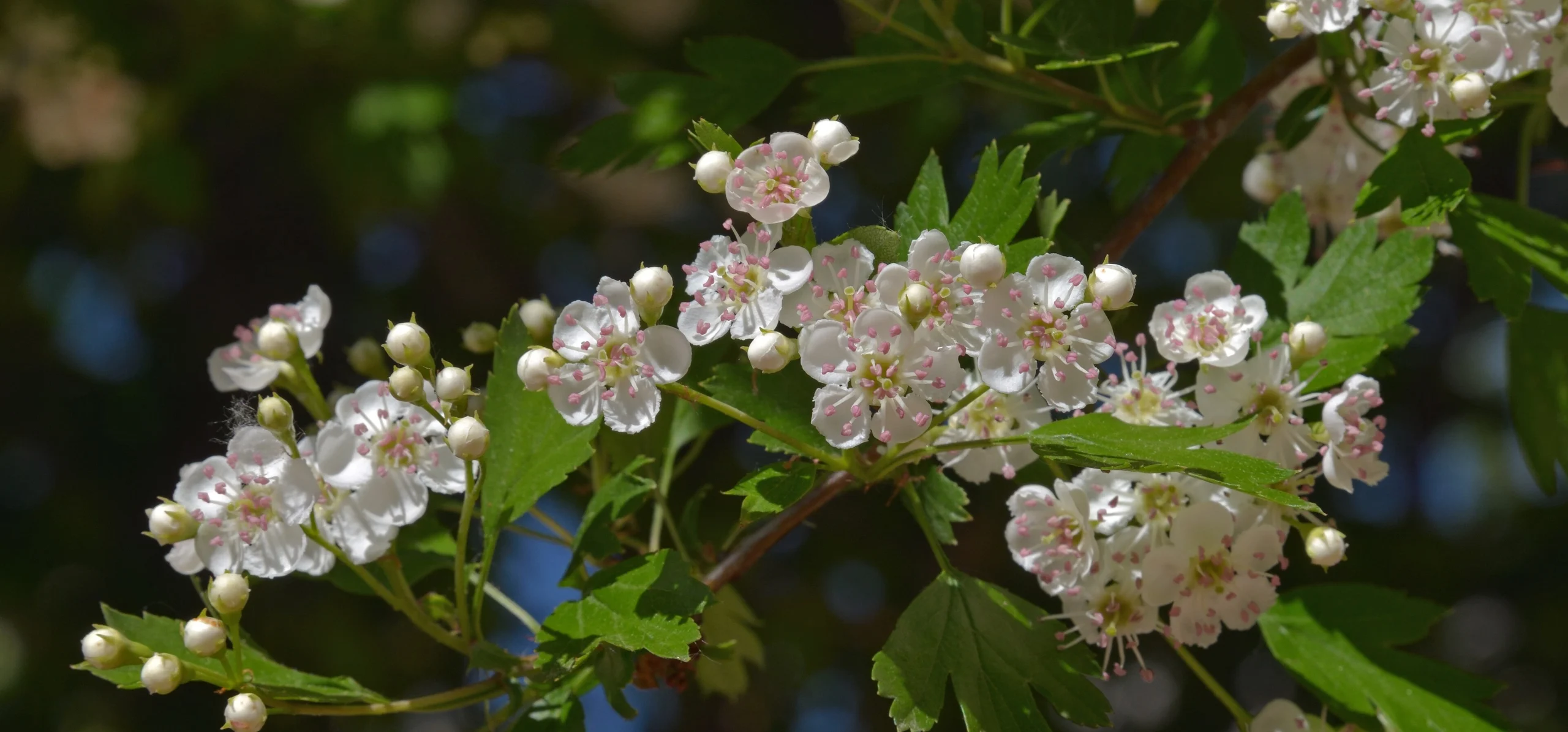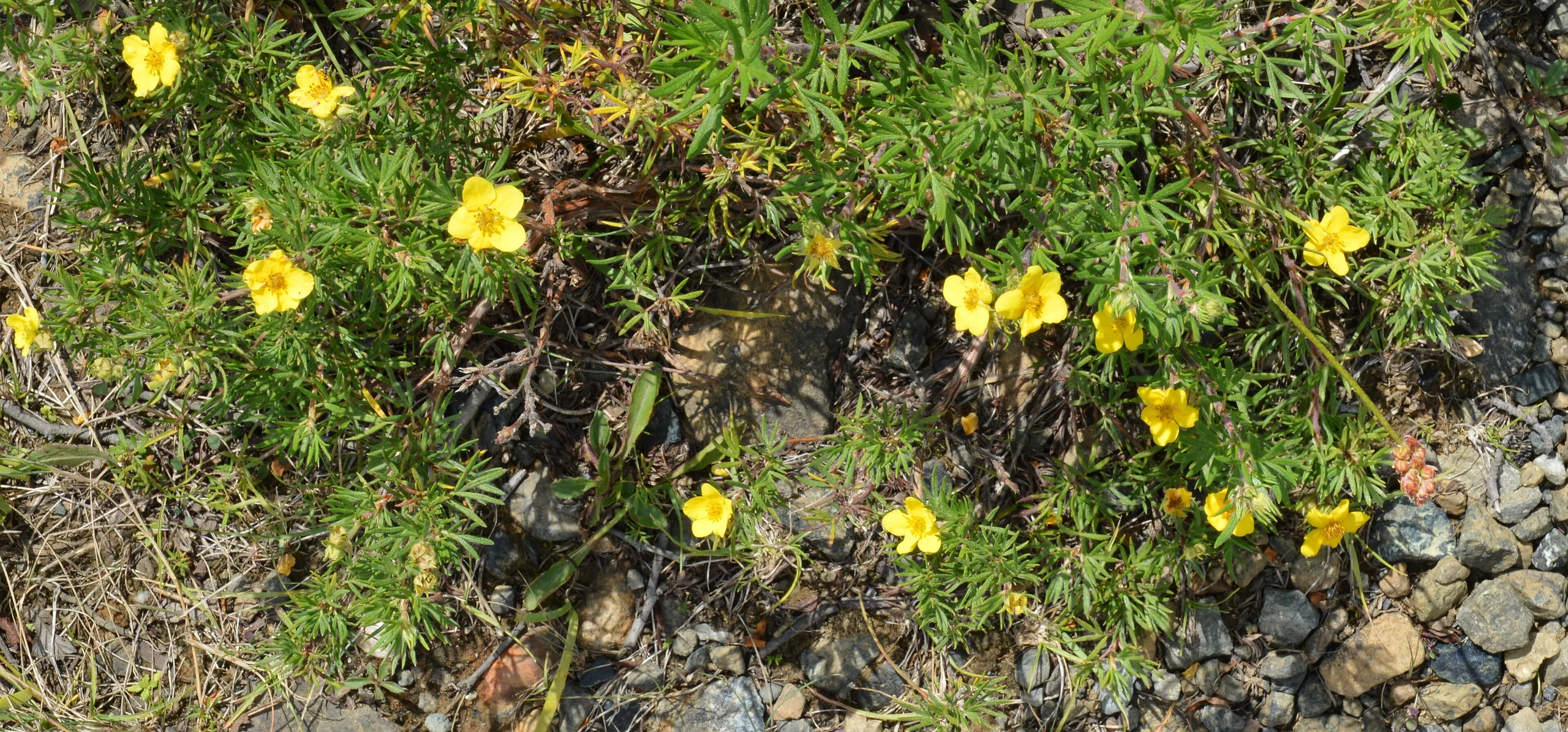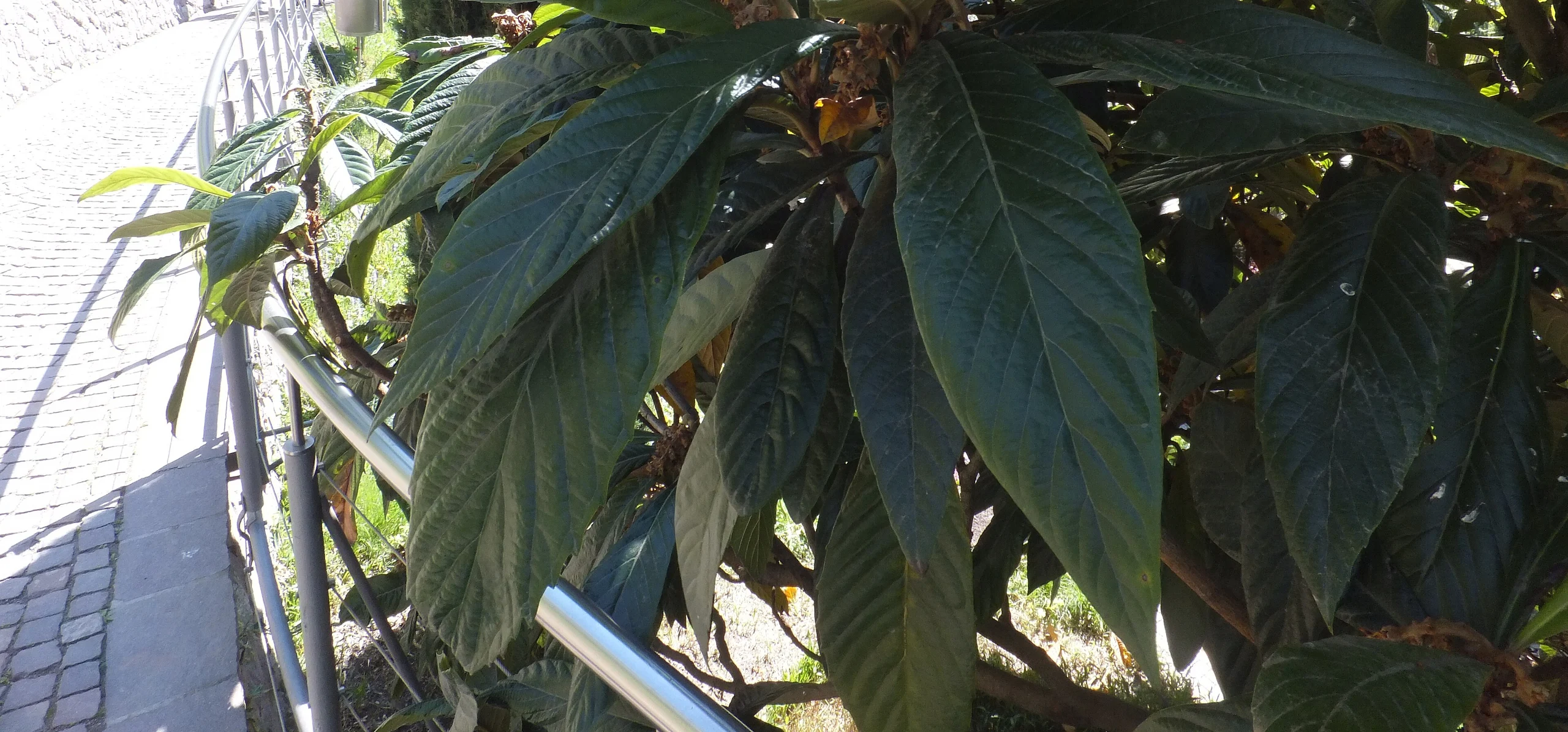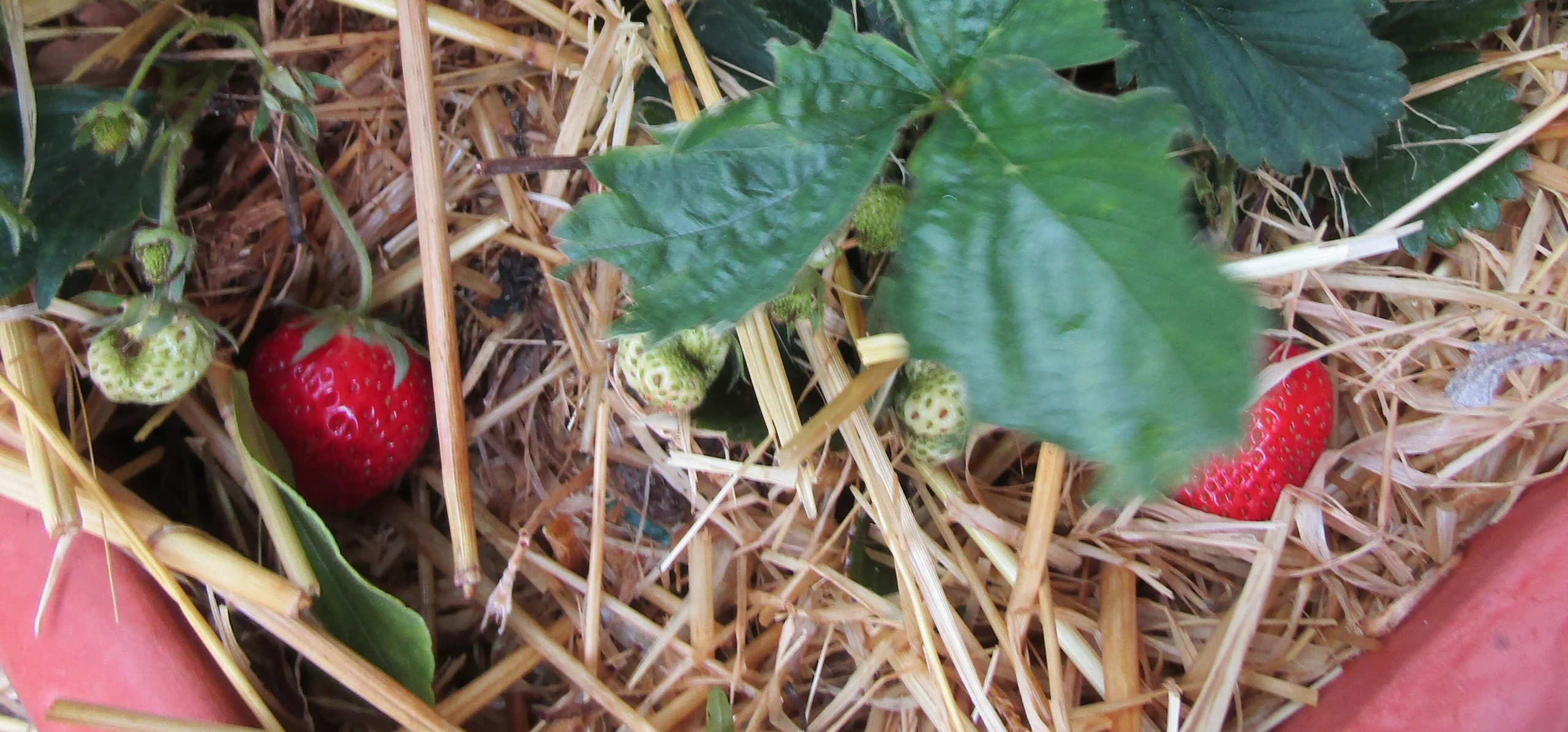
Chokecherry
Prunus virginiana
Family · Rosaceae
Chokecherry suckers into thickets, catches black knot and tent caterpillars, and wilting leaves carry cyanide: what to know before planting Prunus virginiana.
Prunus virginiana
Plant profile
- WateringLittleWater every 12 days
- Light exposurePartial sun
Growth
- Family
- Rosaceae
- Life cycle
- Perennial
- Growth speed
- 5/10
- Mature size
- 240–900 cm
- Spread
- 180–600 cm
- Propagation
- Seed
- Cutting
- Grafting
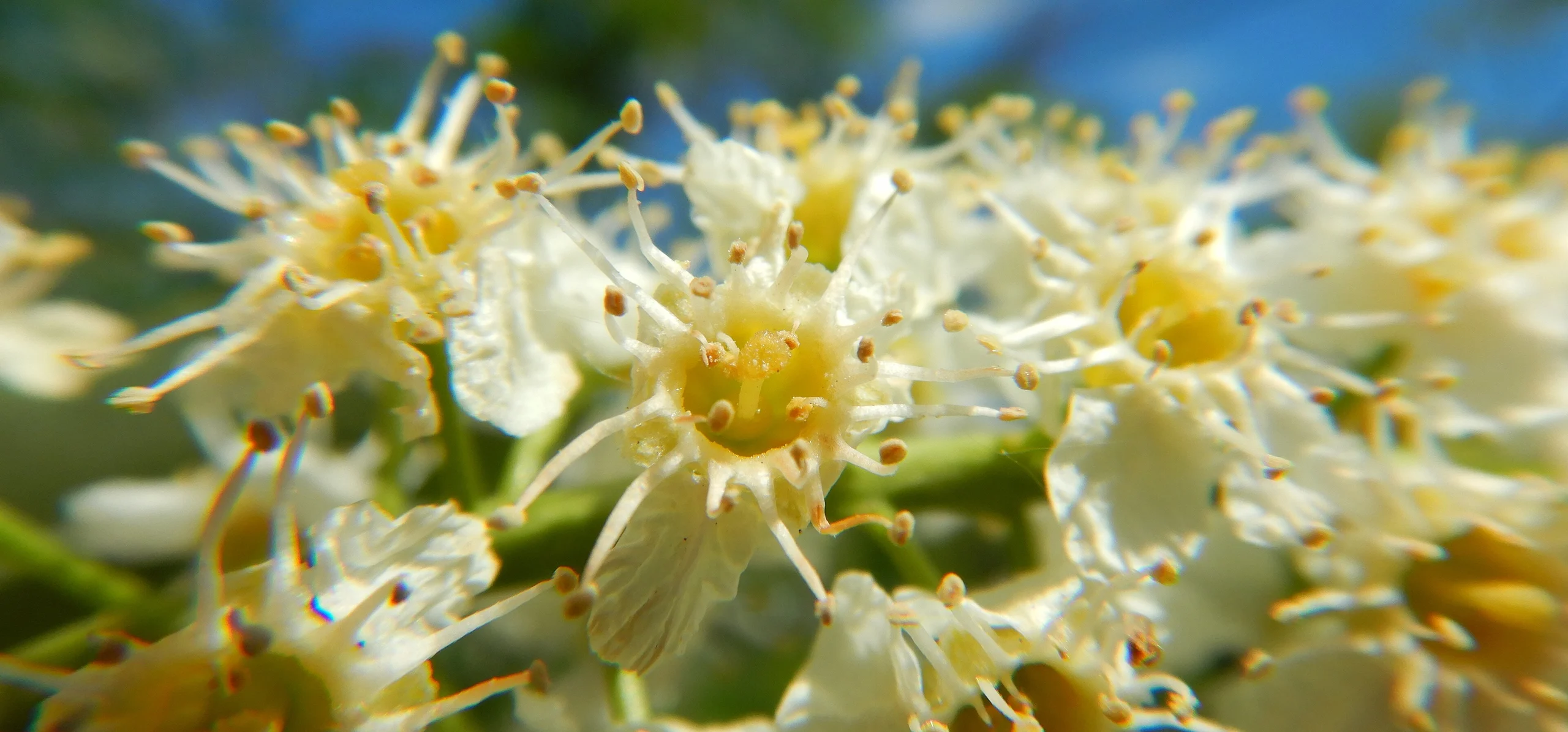
FloweringFragrant white flower clusters in late spring, followed by dark red to black fruit in summer
Dormancydeciduous, bare in winter
Time to maturitybegins heavy fruiting at 3 to 4 years; typical lifespan 20 to 40 years
Soil & climate
- Soil pH
- pH 5–8
- Soil types
- loam, clay, sand
- Drought tolerance
- Yes
Light & Placement
- Origin
- North America south to Mexico, as far as northern Baja California (POWO)
- Where to place it
- hedgerow
- windbreak
- woodland edge
- naturalized area
Safety
- Toxicity
- CatsToxic
- DogsToxic
- HorsesToxic
Invasive speciesspreads by root suckers into dense colonial thickets if not managed; not officially listed as a noxious weed, but suckers readily escape a planted area
Data fromGBIF Backbone Taxonomy: Prunus virginianPlants of the World Online (Kew): PrunusASPCA: Choke Cherry toxicity to pets andMissouri Botanical Garden Plant Finder: Utah State University Extension: How to
Where it grows
World distribution
Chokecherry is native to 3 countries: Canada, Mexico, and United States.GBIF records 68,454 documented identifications across 42 countries, with the largest concentrations in United States, Canada, and Russia.
- Canada
- Mexico
- United States
Yellow to orange dots: concentration of documented identifications per country. Green countries: sourced native range. Source: GBIFNative range from POWO (Kew).
A chokecherry that arrives as a bare-root whip or a rooted sucker dug from a hedgerow will not stay where it was planted. Within two or three seasons it sends up new shoots from its own roots several feet from the trunk, and what started as one plant becomes a thicket unless those suckers are mowed or cut out. Prunus virginiana is native across most of temperate North America, tough enough to shrug off drought and poor soil once it is established, and sold either as the plain green species grown for wildlife and jelly fruit or as the purple-leaved 'Schubert' and 'Canada Red' selections planted for foliage color. Every part of the plant except the cooked, pitted fruit flesh carries cyanide-producing compounds, so treat the seeds, bark and especially wilting leaves as off limits to livestock and pets rather than a minor folk warning.
Origin and Where It Grows
Plants of the World Online (Kew) lists Prunus virginiana as native to North America south to Mexico, as far as northern Baja California, which matches how widely it turns up on the continent: hedgerows, woodland edges, riverbanks, fence lines and disturbed ground from the Canadian prairies down into the southern Rockies. GBIF records the accepted name as Prunus virginiana L., in the rose family (Rosaceae) alongside apples, hawthorns and other cherries, with a long list of older synonyms such as Cerasus densiflora and several Amygdalus names from botanists who once classified it under the almond genus before it was folded back into Prunus. Its habit of colonizing bare or burned ground and fence lines through root suckers and bird-dispersed seed is exactly what makes it useful for erosion control and windbreaks, and occasionally a nuisance at the edge of a mown lawn.
Growth Habit: Suckers and Thickets
Left alone, chokecherry usually grows as a multi-stemmed shrub 8 to 12 feet tall and 6 to 8 feet across; trained to a single trunk or left as an old naturalized specimen, it can reach 20 to 30 feet with a proportionate spread. Utah State University Extension notes the species is prone to suckers, particularly if roots are damaged, which in practice means any mowing nick, transplant shock or hard pruning near the base triggers a fresh ring of shoots the following spring. Left to its own devices over its typical 20 to 40 year lifespan, a plant will eventually form the dense colonial thicket the species is known for in the wild; a plant meant to stay a single specimen needs those root suckers cut back to the ground every year, ideally while they are still soft enough to snap off by hand rather than saw through.
Choosing a Variety: Species, 'Schubert' and 'Canada Red'
The straight species has plain green leaves, the heaviest fruit set and the best wildlife and jelly value, and is the form to plant if the goal is a hedgerow, windbreak or foraging patch. 'Schubert' and its sport 'Canada Red' are the purple-leaved forms sold at most nurseries: new leaves emerge green in spring and mature to dark purple, or reddish-purple in the case of 'Canada Red', by early summer, giving a color show the plain species does not offer. Both cultivars are grafted, which means any sucker growing from below the graft union comes up plain green and, left alone, can eventually out-compete and replace the purple top growth; those green suckers need to be identified and removed at the base, not just cut back, or the ornamental cultivar quietly reverts toward the species over a few seasons. Fruiting and toxicity are the same on the cultivars as on the species; only the foliage color differs.


Planting, Soil and Site
Chokecherry takes full sun for the densest growth and heaviest fruiting but tolerates partial shade, and it is unfussy about soil, adapting to poor or rocky ground while preferring well-drained soil with some organic matter and a pH between 5 and 8, per Utah State University Extension. It is hardy from cold USDA zones through much warmer ones, one of the widest hardiness ranges of any North American cherry, which is part of why it turns up in nearly every US state and Canadian province. Space plants 5 to 8 feet apart for a hedge or windbreak row, further apart for a single specimen meant to reach tree size, and keep new plantings away from lawn edges, pasture fences or anywhere the future thicket of suckers would be unwelcome.
Watering and Feeding
This is an extremely drought-tolerant plant once established, and mature specimens rarely need supplemental water outside of prolonged drought; irrigation mainly pays off by improving fruit yield and quality rather than keeping the plant alive. Water new plantings regularly through their first two growing seasons while roots establish, then taper off. Chokecherry is not a heavy feeder and generally does not need routine fertilizing in reasonable soil; growth vigorous enough to throw suckers every year rarely benefits from added nitrogen, which tends to push even more sucker growth rather than better fruit or form.
Pruning, Black Knot and Tent Caterpillars
Black knot is the disease to watch for: a fungus that produces hard, black, irregular swellings that girdle twigs and branches over one to two years and can kill the wood beyond the knot if left in place. Cut affected branches out during the dormant season, well below the visible black swelling and into clean wood, disinfecting pruning tools between cuts, and remove the prunings from the property rather than composting them, since infected wood can keep releasing spores. Chokecherry and its cultivars are rated highly susceptible to black knot by several university woody-plant collections, so an annual winter check for new knots is worth the few minutes it takes. Eastern and prairie tent caterpillars are the other recurring problem: their silky nests appear in branch forks in mid-spring, and small infestations are best removed by hand or pruned out in the evening or early morning while the caterpillars are inside the nest, rather than sprayed. Aphids, leaf spot and occasional canker or bacterial spot round out the minor issues, and none of them usually justify treatment on an otherwise healthy, established plant.
Harvesting Fruit and the Toxicity to Know
Fruit ripens from dark red to nearly black through July, August and into September, and a plant can produce a heavy crop once it reaches three to four years old. The raw flesh is sharply astringent, hence the common name, and chokecherry is almost never eaten fresh off the branch; it is cooked and strained to remove the pits, then made into jelly, syrup or wine, all of which tame the astringency. The ASPCA lists chokecherry as toxic to dogs, cats and horses: the stems, leaves and seeds contain cyanogenic glycosides that release cyanide, and the risk is highest in wilting leaves rather than fresh growth or the ripe fruit flesh itself, producing brick-red mucous membranes, dilated pupils, difficulty breathing and shock in an animal that ingests enough. In practice the real hazard is not the standing plant but a broken branch or storm-downed limb left where livestock can browse the wilting leaves, or pruning debris left in a pasture; keep both out of reach rather than worrying about the fruit itself, which is safe once cooked and pitted.
Test your plant knowledge
Tap a card to flip it and reveal the answer.
Chokecherry spreads by root suckers and can form dense thickets if left unmanaged. Tap to reveal ✓ True
Chokecherry only ever grows as a small shrub under 3 feet tall. Tap to reveal ✕ False
The ASPCA lists chokecherry as toxic to dogs, cats and horses. Tap to reveal ✓ True
The purple-leaved 'Schubert' and 'Canada Red' cultivars keep the same leaf color all year, from bud break through fall. Tap to reveal ✕ False
Black knot is a fungal disease that should be pruned out well below the visible swelling, in the dormant season. Tap to reveal ✓ True
Sources
References consulted for this guide
- GBIF Backbone Taxonomy: Prunus virginiana L.gbif.org
- Plants of the World Online (Kew): Prunus virginiana L.powo.science.kew.org
- ASPCA: Choke Cherry toxicity to pets and horsesaspca.org
- Missouri Botanical Garden Plant Finder: Prunus virginianamissouribotanicalgarden.org
- Utah State University Extension: How to Grow Chokecherry in Your Gardenextension.usu.edu
- Reference entity : Wikipédiaen.wikipedia.org