
Which Houseplants Really Grow in Low Light
Several plants tolerate a dimly lit room, such as the snake plant, ZZ plant, Chinese evergreen and pothos, but none grows in the dark. “Shade” is a vague word: a north-facing room, a hallway two metres from a window and a corner with no opening do not call for the same plants. Here is how to read the light in your home and which species live there comfortably.
Shade, partial shade, indirect light: what are we talking about
These terms do not describe the same thing, and they are often mixed up.
- Indirect light: the room is bright, but the sun does not reach the plant directly. This is the case with a window filtered by a sheer curtain or a plant placed beside the window. Many houseplants enjoy it.
- Partial shade: reduced light, for example a north-facing window or a plant one or two metres from a window. Tolerant plants grow there, more slowly.
- Shade: little daylight, the back of a room or a hallway. Few species last there in the long run, and those that survive barely grow.
Distance from the window matters more than orientation alone: light intensity drops quickly as you move away from the glass. Moving a pot by a metre can be enough to change its category.
The plants that tolerate low light best
The toughest
The snake plant (Dracaena trifasciata) and the ZZ plant (Zamioculcas zamiifolia) are the benchmarks for dim rooms: they store water and slow their growth without declining. The pothos (Epipremnum aureum) survives there too, but its variegation fades. The Chinese evergreen (Aglaonema commutatum) is known for accepting dimly lit rooms, with darker leaves.
Understorey plants
Some species naturally come from the forest understorey. The bird’s nest fern (Asplenium nidus) enjoys soft light and slightly humid air. The peace lily (Spathiphyllum wallisii) tolerates partial shade, but rarely flowers when light is low. The heartleaf philodendron (Philodendron hederaceum) trails readily in moderate light. The parlor palm (Chamaedorea elegans) is an understorey palm, suited to dimly lit rooms.
For a slightly brighter room
The spider plant (Chlorophytum comosum) puts up with medium light, but its stripes fade in the shade. In a reasonably bright entrance hall or stairwell, the Japanese aralia (Fatsia japonica) does well, especially if the air stays cool, as it dislikes the heat of overheated rooms.
What changes when light is lacking
A plant placed in the shade does not die right away: it adapts, then grows leggy. The signs are easy to recognise. Stems lengthen and space out, leaves turn paler or lose their patterns, growth stops, and sometimes leaves drop. Variegated plants are hit first, because the white or cream areas do not photosynthesise and the plant compensates with more green.
It also uses less water. The classic mistake is to keep watering at the same rate: the soil stays wet and the roots rot. Wait until the substrate is dry before watering again, and cut back further in winter.
And with no window at all?
Let’s be clear: no plant lives long without light. A windowless bathroom, a closed hallway or an office with no opening are not suitable, even for the toughest plant. It will survive a few weeks on its reserves, then decline.
If you are set on having a plant there, the solution is grow lighting: a lamp with a suitable spectrum, switched on for several hours a day. An ordinary living-room bulb is not enough. Otherwise, rotate your plants: a fortnight near a window, then back to the dark room.
A few practical habits
Move plants closer to the window whenever you can, wipe dust off the leaves, since it filters out light, and turn the pot regularly so the plant does not lean to one side. Avoid too much fertiliser: a plant that grows little uses little.
Testing the light at home
A simple test beats a compass orientation. At noon on a clear day, hold your hand where the plant is meant to go, about half a metre above the floor or table. If the shadow of your hand is sharp, the light is fine for a partial-shade plant. If the shadow is blurry and barely visible, it is true shade: only the snake plant and the ZZ plant have a lasting chance there.
Take the seasons into account. In winter the sun is low and days are short, and a room that is fine in summer can turn dark. Many plants slow down or grow leggy there, then pick up again in spring. A sheer curtain, a balcony that casts shade or a leafy tree in front of the window also change things depending on the time of year.
Which plants to avoid in the shade
Plants that need a lot of light will not last in a dark room: succulents and cacti, citrus, flowering plants such as hibiscus, and also plants with coloured foliage, whose colour depends on light. If you have one, it is better to put it near a window than to inflict a month of gloom on it in the hope that it adapts. Variegated foliage loses its patterns, and a flowering plant stops flowering.
The pitfalls of artificial light
An ordinary bulb switched on in the evening does not replace daylight for a plant. Its intensity is too low and its spectrum poorly suited, and the plant also needs a night period for its rhythm. If you want to make up for a lack of light, a grow light placed close to the foliage, switched on for a regular number of hours a day and off at night, is the only serious option.
Remember too that a plant that has lived in low light for a long time has adapted to it: suddenly putting it back in full sun scorches its leaves. Move it closer to the window gradually, over a week or two.
As for pets, the snake plant, Chinese evergreen, pothos, peace lily and philodendron are toxic to cats and dogs according to the ASPCA. The spider plant, parlor palm and Japanese aralia are listed as non-toxic. The bird’s nest fern has no dedicated entry: caution is advised.
Every plant mentioned has its own page with details on light and watering. The Plantalya app lets you identify a plant and set watering reminders adapted to the season.
Plants mentioned in this article
-
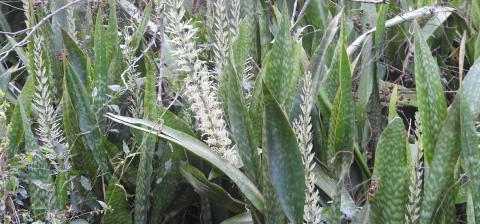 Snake Plant Dracaena trifasciata Care guide
 -
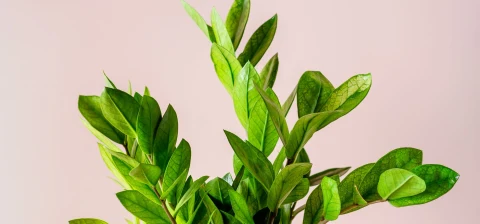 ZZ Plant Zamioculcas zamiifolia Care guide
 -
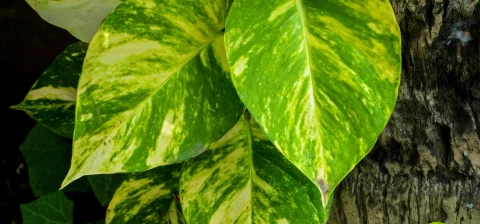 Pothos Epipremnum aureum Care guide
 -
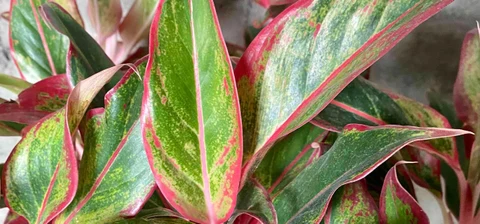 Chinese Evergreen Aglaonema commutatum Care guide
 -
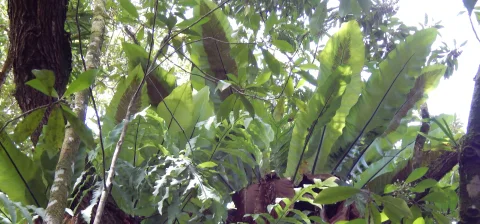 Bird's Nest Fern Asplenium nidus Care guide
 -
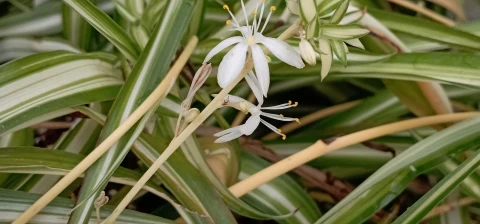 Spider Plant Chlorophytum comosum Care guide
 -
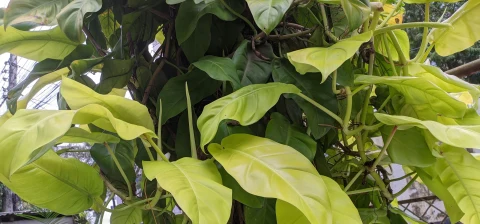 Heartleaf Philodendron Philodendron hederaceum Care guide
 -
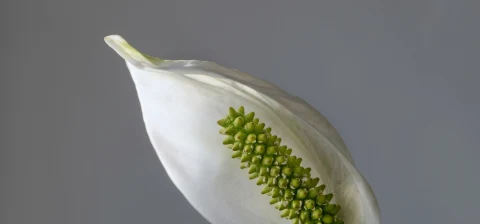 Peace Lily Spathiphyllum wallisii Care guide
 -
 Parlor Palm Chamaedorea elegans Care guide
 -
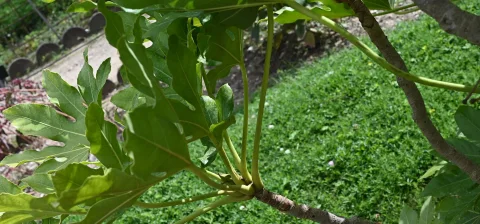 Japanese Aralia Fatsia japonica Care guide
Frequently asked questions
Can a plant live in a room with no window?
No, not on the room's own light alone: photosynthesis needs light. A grow light switched on for several hours a day can stand in for the window, but no plant is made for the dark.
Which houseplant copes best with low light?
The snake plant, ZZ plant, Chinese evergreen and pothos are the most tolerant. They survive in low light, but grow slowly and lose some of their variegation.
How can I tell if my room is bright enough?
If you can read without turning on a light in the middle of the day, there is enough for a tolerant plant. If the shadow of your hand is barely visible on the wall, it is too dark.
Should you water a plant in the shade less?
Yes, generally. With less light the plant uses less water and the soil dries more slowly. Wait until it is dry before watering.