
The Easiest Houseplants for Beginners
To get started, pick a plant that tolerates forgotten watering and average light: the snake plant, ZZ plant, pothos and spider plant are among the most forgiving. How difficult a houseplant is has little to do with its name and a lot to do with the gap between what it needs and what your home offers. The species below ask for little, and they almost always fail for the same reason: too much water.
What makes a plant easy
Three qualities come up again and again in forgiving plants. They store water in thick leaves, stems or rhizomes, so a few weeks of neglect do no harm. They make do with modest light, without a full south-facing window. And they put up with the dry air of heated homes.
A fourth quality matters for you: their weak spot should be easy to spot. A pothos that droops is telling you it is thirsty, whereas some cacti show nothing until it is too late.
Thick-leaved plants that store water
Snake plant and ZZ plant
The snake plant (Dracaena trifasciata) is the safe bet: upright leaves, slow growth, rare watering. The ZZ plant (Zamioculcas zamiifolia) plays in the same league, with glossy foliage that copes with a dim room. Both are toxic if eaten: the snake plant to cats and dogs, while the ZZ plant is described as harmful and irritating.
Indoor succulents
Aloe vera (Aloe vera) and the jade plant (Crassula ovata) want plenty of light and a very free-draining mix, but little water. Both are toxic to cats and dogs according to the ASPCA. The zebra haworthia (Haworthiopsis fasciata) is smaller, accepts less intense light and is not listed as toxic. The ponytail palm (Beaucarnea recurvata), with its swollen base that stores water, also forgives neglect and is not toxic to cats and dogs.
Trailing and leafy green plants
The golden pothos (Epipremnum aureum) is probably the easiest of the vining plants: it grows hanging or on a shelf, signals thirst by drooping, and roots from cuttings in a simple glass of water. It is toxic to cats and dogs. The spider plant (Chlorophytum comosum) forms baby plants that dangle on long stems, multiplies effortlessly and is safe for pets.
Small tabletop plants
The baby rubber plant (Peperomia obtusifolia) fits in a small pot, likes medium light and is no trouble for pets. The Chinese money plant (Pilea peperomioides) has round leaves that turn toward the light, so remember to rotate the pot regularly. It is not toxic either. The Chinese evergreen (Aglaonema commutatum) accepts dimly lit rooms, but it is toxic to cats and dogs.
Quick comparison
| Plant | Light | Watering | Pets |
|---|---|---|---|
| Snake plant | Low to bright | Very infrequent | Toxic |
| ZZ plant | Low to medium | Very infrequent | Harmful |
| Pothos | Medium | When the soil dries | Toxic |
| Spider plant | Medium to bright | Regular, not excessive | Non-toxic |
| Aloe vera | Bright | Very infrequent | Toxic |
| Haworthia | Medium to bright | Infrequent | Non-toxic |
| Chinese money plant | Bright, indirect | When the soil dries | Non-toxic |
The rule that prevents most failures
Beginners lose more plants to overwatering than to underwatering. The safest method is simple: only water when the soil is dry a few centimetres down, check with a finger, and always empty the saucer. A pot without a drainage hole is a trap for a plant that is not aquatic. In winter, growth slows and water needs drop with it.
Other common mistakes: putting a plant in direct sun behind a window in summer, which scorches the leaves; leaving it in the nursery pot for years without ever repotting it; or moving it around constantly. A plant settles down once it has found its spot.
How to choose among these plants
Start by looking at the light in the room where it will live. A bright window with a few hours of daylight suits almost every plant on the list. A hallway or north-facing room narrows the choice: snake plant, ZZ plant, pothos and Chinese evergreen cope better there than aloe or jade plant, which need a lot of daylight.
Then think about your routine. If you travel often, favour plants that store water. If you like having a regular task, the pothos or spider plant give clear signals and bounce back well. Choosing a plant for its toughness rather than its rarity is the best way to build your skills.
The first month
After you buy it, let the plant settle in. Keep it in its original pot for a few weeks, without fertiliser, somewhere bright but out of scorching sun, and watch the soil moisture rather than the calendar. Repotting comes later, when the roots fill the pot or poke out of the drainage holes, preferably in spring. If leaves yellow or drop after the move, it is often just an adjustment period.
Finally, do not buy ten plants at once: two or three that you look after well are worth more than a jungle you no longer know how to handle.
Reading the small signs
A forgiving plant warns you before it suffers, as long as you know how to read its signals. Limp, drooping leaves with dry soil mean a lack of water: water thoroughly and the plant perks up within hours. Limp leaves with soil that is always damp signal the opposite, so stop watering and let it dry out.
Leaves yellowing from the bottom often come from too much water. Dry, brown tips point rather to air that is too dry, irregular watering or very hard water. Long, widely spaced stems with small leaves call for more light. Get into the habit of looking at your plant while you water: within a few weeks you will know what it wants.
One last point concerns fertiliser. The plants on this list need little: a light feed during the growing season, from spring to late summer, is enough, and nothing in winter. Too much fertiliser burns the roots and does not make up for a lack of light. Likewise, do not repot automatically: a plant snug in its pot is often more stable than one drowning in a container that is too big, where the soil stays damp for too long.
Every plant mentioned has its own page on the site, with light, watering, soil and repotting. The Plantalya app lets you identify a plant whose name you do not know and sends you watering reminders.
Plants mentioned in this article
-
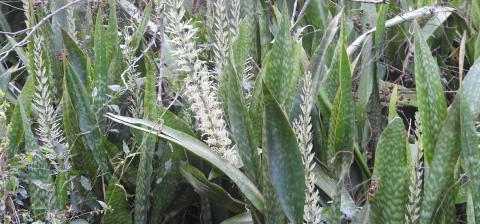 Snake Plant Dracaena trifasciata Care guide
 -
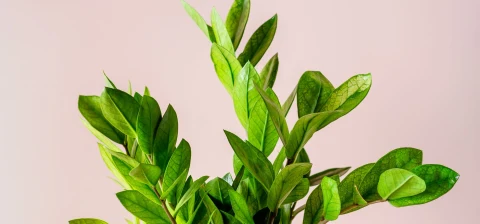 ZZ Plant Zamioculcas zamiifolia Care guide
 -
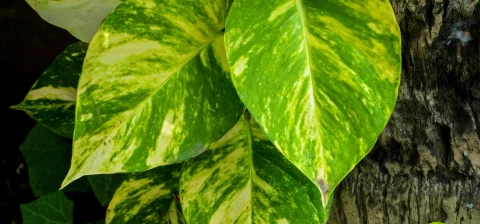 Pothos Epipremnum aureum Care guide
 -
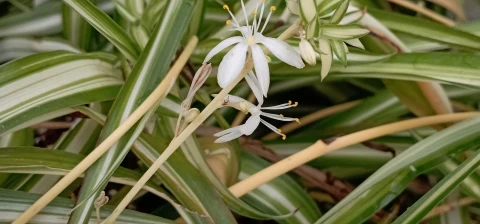 Spider Plant Chlorophytum comosum Care guide
 -
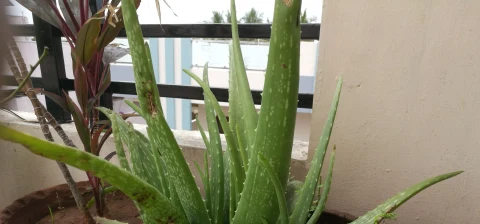 Aloe Vera Aloe vera Care guide
 -
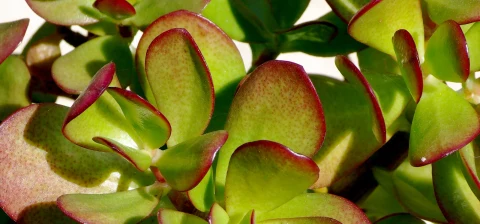 Jade Plant Crassula ovata Care guide
 -
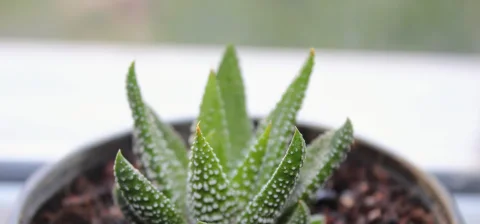 Zebra Haworthia Haworthiopsis fasciata Care guide
 -
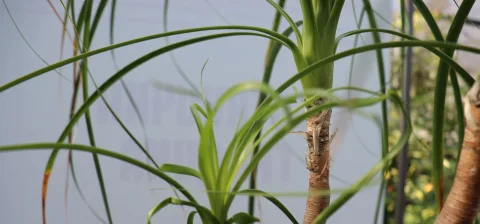 Ponytail Palm Beaucarnea recurvata Care guide
 -
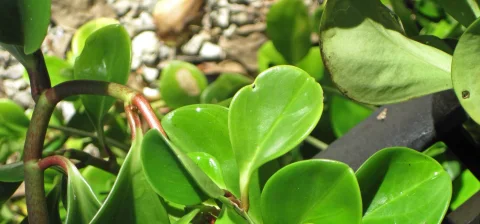 Baby Rubber Plant Peperomia obtusifolia Care guide
 -
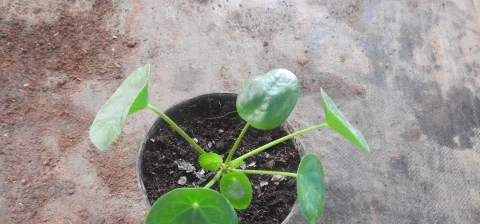 Chinese Money Plant Pilea peperomioides Care guide
 -
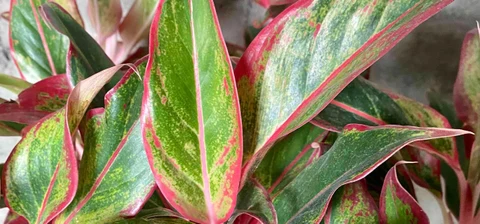 Chinese Evergreen Aglaonema commutatum Care guide
Frequently asked questions
What is the hardest houseplant to kill?
The snake plant and the ZZ plant are the usual candidates: they store water and cope with weeks without watering and with poor light. Their only real danger is too much water.
How often should you water a houseplant?
There is no fixed schedule. Push a finger into the soil: as long as it is damp a few centimetres down, wait. Watering depends on the light, the season and the pot.
Which easy plant should I choose if I have a cat?
The spider plant, haworthia, ponytail palm, baby rubber plant and Chinese money plant are listed as non-toxic to cats by the ASPCA. Avoid the snake plant, pothos and aloe.
My plants are turning yellow. Is it a lack of water?
For a beginner it is more often overwatering, which rots the roots. Check the soil moisture and the drainage before watering more.