Oriental Arborvitae
Platycladus orientalis
Family · Cupressaceae
Platycladus orientalis, hardy in USDA zones 6 to 9: pick a dwarf or columnar cultivar, plant in full sun, and expect slow, drought-tolerant growth.
Platycladus orientalis
Plant profile
- WateringLittleWater every 12 days
- Light exposurePartial sun
- Hardiness zoneUSDA 6–9
Growth
- Family
- Cupressaceae
- Life cycle
- Perennial
- Growth speed
- 2/10
- Mature size
- 550–760 cm
- Spread
- 305–460 cm
- Flowering
- Non-flowering conifer; small cones, not grown for bloom
- Propagation
- Seed
- Cutting
Dormancyevergreen, no true winter dormancy
Time to maturity20 to 50 years for full-size columnar cultivars
Soil & climate
- Soil types
- clay, loam, sand, chalk
- Drought tolerance
- Yes
Light & Placement
- Origin
- Russian Far East to east-central China and Korea
- Where to place it
- clipped hedge or privacy screen
- foundation planting for dwarf cultivars
- specimen tree in parks and temple gardens
- large container for dwarf cultivars such as 'Aurea Nana'
Safety
- Toxicity
- Not listed by the ASPCA; toxicity undetermined
- Pet safe
- No
Data fromGBIF Backbone Taxonomy: Platycladus oriePlants of the World Online (Kew): PlatycNC State Extension Gardener Plant ToolboMissouri Botanical Garden Plant Finder: RHS: Platycladus orientalis 'Pyramidalis
Where it grows
World distribution
Oriental Arborvitae is native to 3 countries: China, Russia, and South Korea.GBIF records 10,151 documented identifications across 126 countries, with the largest concentrations in China, United States, and South Korea.
- China
- Russia
- South Korea
Yellow to orange dots: concentration of documented identifications per country. Green countries: sourced native range. Source: GBIFNative range from POWO (Kew).
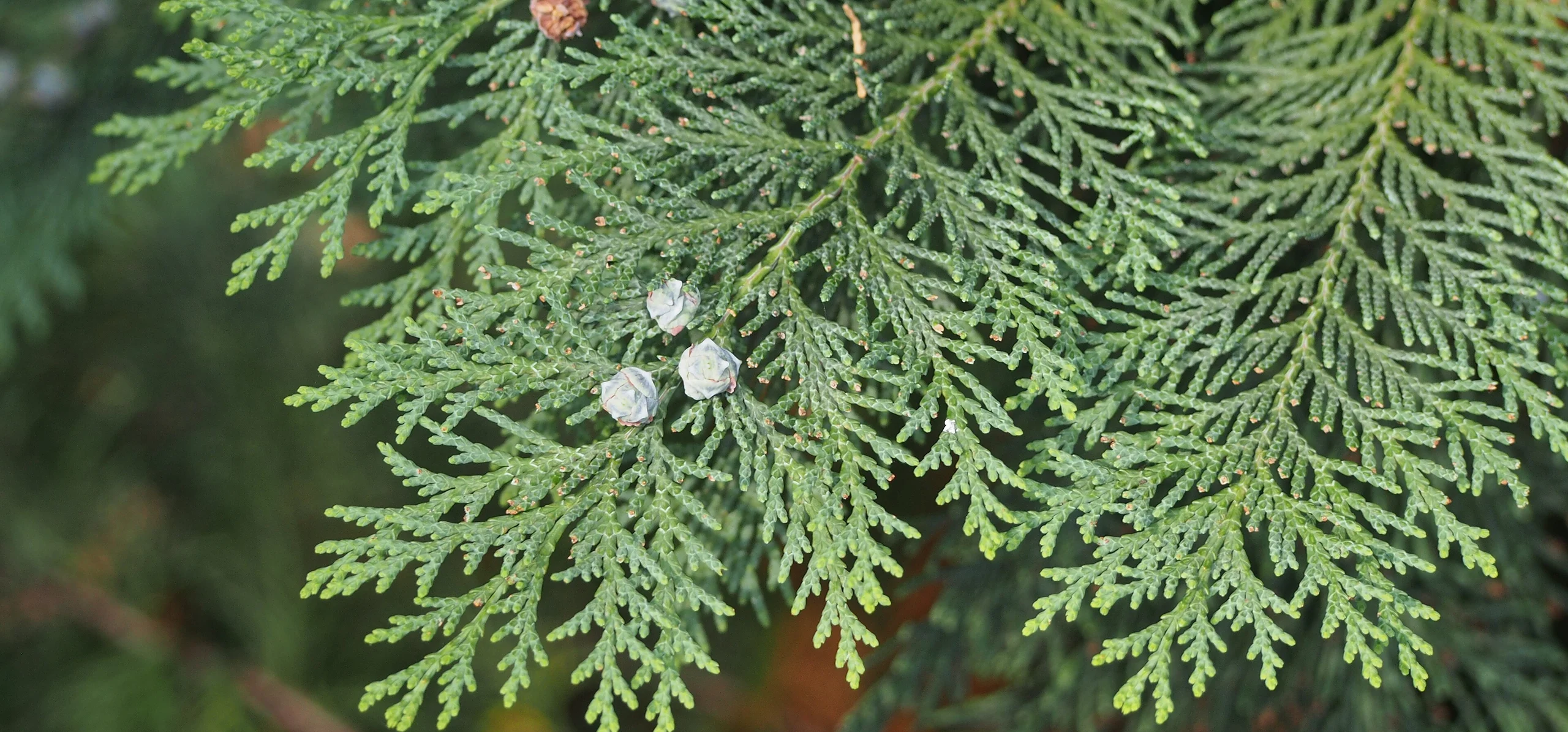
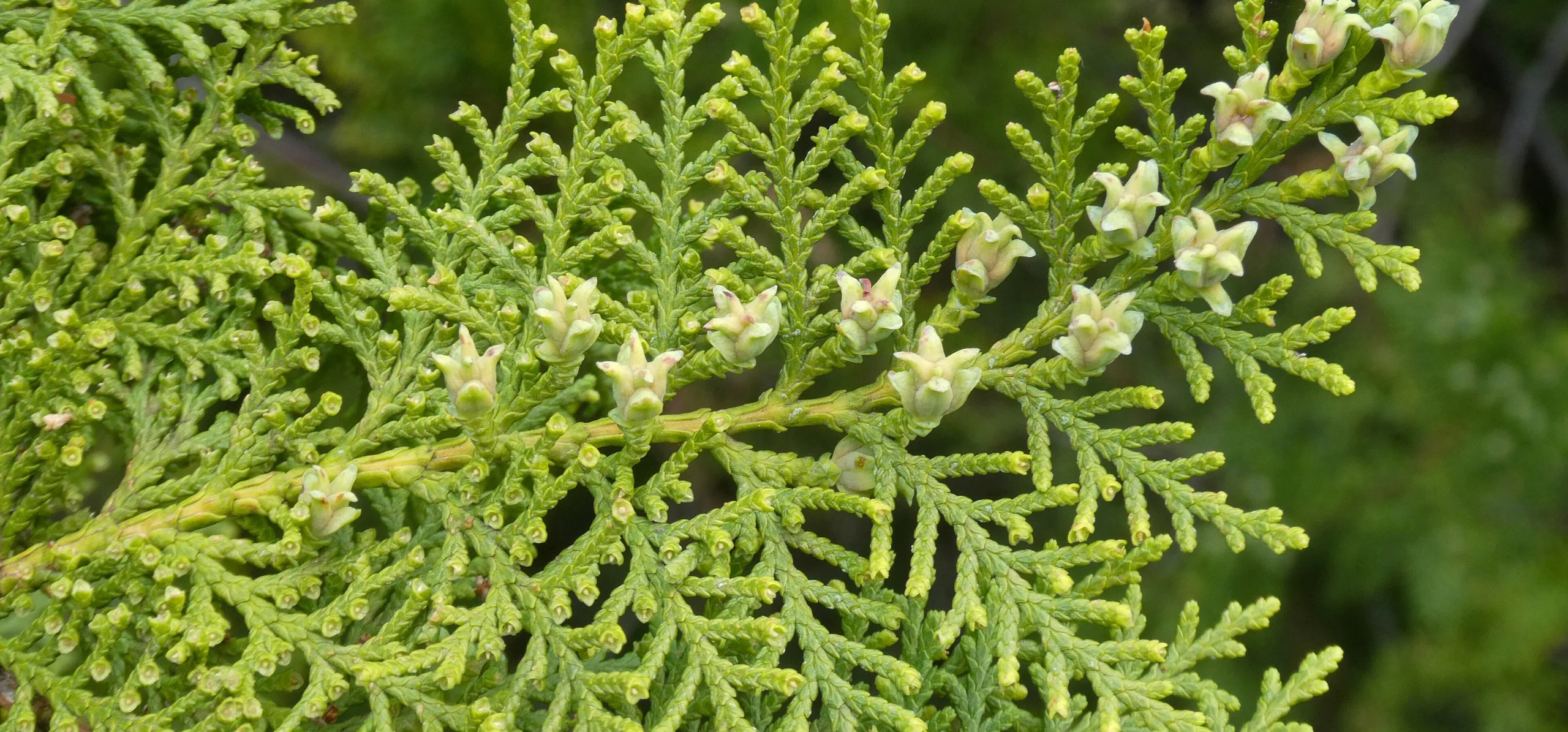
Platycladus orientalis, sold as oriental arborvitae, Chinese thuja, or under its older name Thuja orientalis, is the sole species in its genus and one of the longest-cultivated conifers in East Asia, with individual specimens still standing after many centuries at temples and imperial tombs. You can tell it apart from a true Thuja with a hand lens: its small cones are fleshy and blue-green before they ripen, with thick, hooked scales, rather than the dry, papery cones of Thuja occidentalis or Thuja plicata. In the garden it earns its place as a dense, slow-growing evergreen for clipped hedges, foundation planting, and golden dwarf cultivars in pots, and it tolerates heat, drought, and alkaline soil better than most plants sold under the arborvitae name.
A Genus of One, Renamed in 1949
Carl Linnaeus first described this tree as Thuja orientalis in 1753, grouping it with the American Thuja occidentalis simply because both had scale-like evergreen foliage. Portuguese botanist Joao Franco moved it into its own genus in 1949, a change now reflected in GBIF's accepted name, Platycladus orientalis (L.) Franco, after cone structure and wingless seeds showed it was only distantly related to true Thuja. Biota orientalis is a further synonym you will still meet on older nursery tags and in older gardening books. The genus name comes from the Greek platys, flat, and klados, branch, describing the flattened, vertically held sprays of foliage that make this species easy to identify from a distance, even before you check the cones.
Native Range and Long Cultivation in East Asia
Plants of the World Online lists the native range as the Russian Far East through east-central China and Korea. Centuries of planting as a sacred tree at temples and gravesites across China, where its evergreen habit and long lifespan carry symbolic weight, mean cultivated populations now far outnumber wild ones across much of that range. From there it moved into gardens worldwide as a hedge, screen, and container plant, valued for tolerating heat, drought, and alkaline soil noticeably better than the American and Japanese Thuja species it is often confused with at the garden centre.
Choosing a Form: Dwarf Globes to Golden Columns
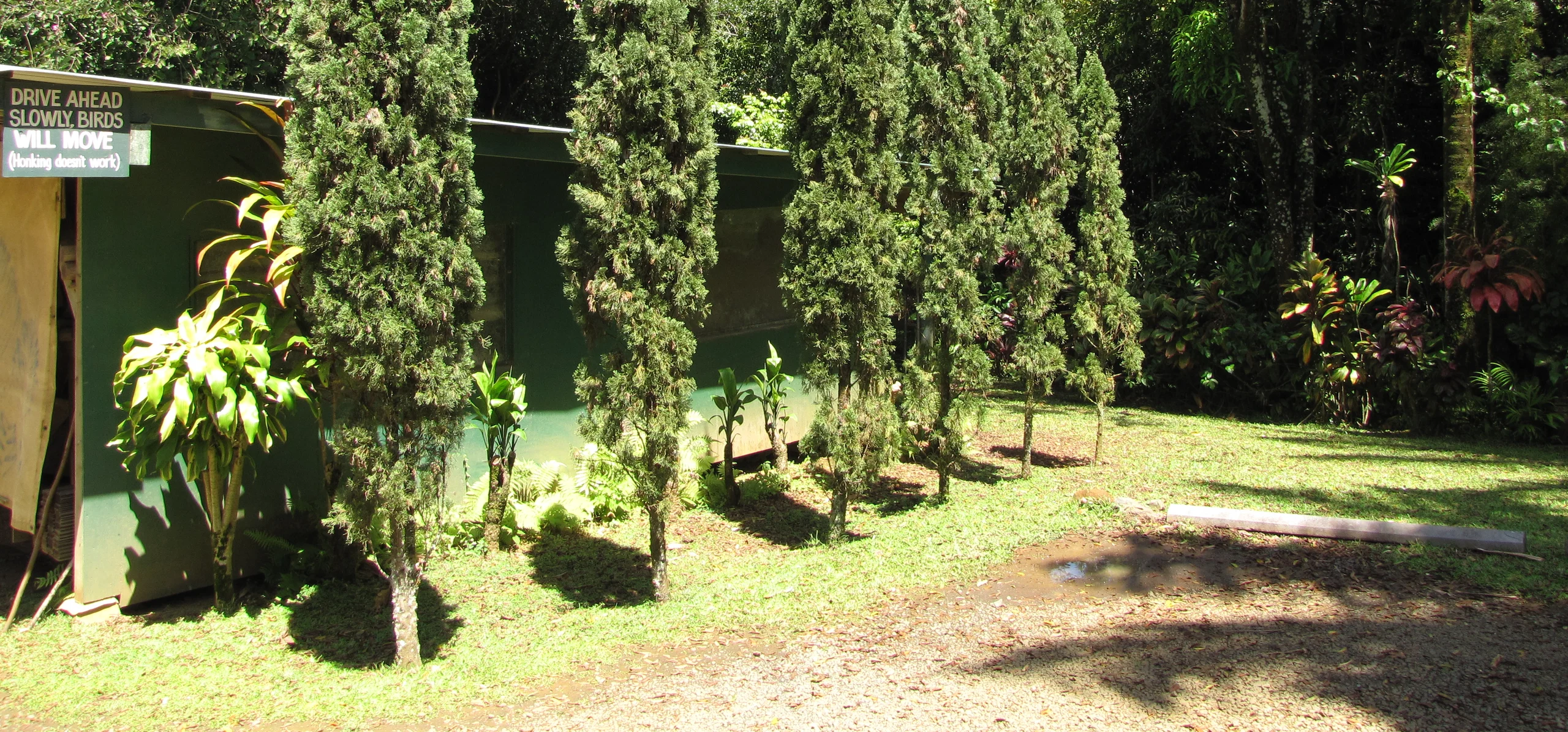
Few gardeners plant the wild species; the nursery trade runs almost entirely on cultivars bred for size and foliage colour. 'Aurea Nana', sold in North America as Berckman's Golden Arborvitae, forms a dense, rounded shrub that the Missouri Botanical Garden lists at around 1.5 m (5 ft) tall after ten years, with bright yellow summer foliage that bronzes over winter and small oval cones to about 2 cm long. At the opposite extreme, upright columnar forms such as 'Pyramidalis Aurea' are rated by the RHS for an ultimate height of 8 to 12 m and a spread of 2.5 to 4 m, reached over 20 to 50 years, so they read as a large screening tree rather than a shrub once mature. Compact green cultivars such as 'Compacta' and the thread-foliaged 'Juniperoides' fill the space in between for smaller borders and pots. Check the tag for mature size before planting close to a path or wall, because this species does not reliably resprout from bare, leafless wood once you cut back past the green growth.


Light, Soil and Water
Give it full sun for the densest, most compact growth; the RHS notes it also tolerates some light shade, though foliage thins in deeper shade over time. It is remarkably unfussy about soil: RHS cultivar records list chalk, clay, loam and sand, and acid, neutral or alkaline pH, as all tolerated, provided drainage is reasonable. North Carolina State Extension rates the growth rate as slow and flags wet, boggy sites as the one condition it does not tolerate well. Once established, the University of Florida's extension horticulture programme rates it as highly drought tolerant, a trait that sets it apart from moisture-loving Thuja occidentalis. Water new plants regularly through their first two growing seasons while roots establish, then let deep, infrequent watering during dry spells replace routine watering in most climates.
Planting and Establishing a Hedge or Screen
Plant in spring or autumn so roots have mild weather to establish before summer heat or winter cold arrives. Space plants according to the mature spread of the chosen cultivar: a dwarf globe needs far less room than a columnar screening form destined for 3 to 4 m across. Because this species does not resprout well from old wood, decide on hedge height and width early and keep annual trims light rather than waiting years and then cutting hard. Propagation follows the usual conifer route: seed for the wild species, and heel cuttings of half-ripe wood taken in summer for named cultivars, since seedlings vary and only cuttings keep a cultivar's exact colour and habit true.
Winter Hardiness and Snow Damage
North Carolina State Extension rates Platycladus orientalis hardy across USDA zones 6 through 9, and the RHS gives upright cultivars its H7 rating for the coldest continental winters. Cold is rarely the limiting factor; structural damage is. Heavy snow or ice loads can splay or snap branches on upright, columnar cultivars, so a loose tie or wrap around a young column before the first heavy snowfall of the season is cheap insurance. At the warm edge of its range, the main risk shifts from cold to the wet, poorly drained soil the species dislikes at any temperature.
Pests, Diseases and a Note on Toxicity
Watch for bagworms building their spindle-shaped cases in the foliage and spider mites building up in a dense, poorly ventilated hedge; North Carolina State Extension also lists scale, aphids, caterpillars, borers and mealybugs as occasional visitors on stressed plants. Good air circulation and avoiding waterlogged soil keep most of these in check. The foliage and seeds have a long history of use in traditional Chinese medicine, always processed rather than eaten raw, which is itself a sign the plant is not something to treat as food or forage. On direct pet toxicity, the ASPCA has not published a listing for Platycladus orientalis under that name or its older synonyms, so no cat, dog or horse status can be stated with confidence either way. Treat that gap as a reason for caution, not reassurance, and keep pets from chewing on fallen foliage or cones.
Test your plant knowledge
Tap a card to flip it and reveal the answer.
Platycladus orientalis is classified as a true cedar in the genus Cedrus. Tap to reveal ✕ False
The seed cones of Platycladus orientalis are fleshy and blue-green before they ripen, unlike the dry cones of Thuja occidentalis. Tap to reveal ✓ True
Once established, this species tolerates drought and alkaline soil better than most Thuja species. Tap to reveal ✓ True
The ASPCA lists Platycladus orientalis as toxic to cats and dogs. Tap to reveal ✕ False
Heavy snow or ice can break branches on upright, columnar cultivars. Tap to reveal ✓ True
Sources
References consulted for this guide
- GBIF Backbone Taxonomy: Platycladus orientalis (L.) Francogbif.org
- Plants of the World Online (Kew): Platycladus orientalis (L.) Francopowo.science.kew.org
- NC State Extension Gardener Plant Toolbox: Platycladus orientalisplants.ces.ncsu.edu
- Missouri Botanical Garden Plant Finder: Platycladus orientalismissouribotanicalgarden.org
- RHS: Platycladus orientalis 'Pyramidalis Aurea'rhs.org.uk
- Reference entity : Wikipédiaen.wikipedia.org