
Is this plant safe for my pet?
Type a name for a straight answer, or read the two lists. Where the ASPCA has never assessed a plant, the tool says so instead of guessing.
Free No account Runs in your browser
Not on the list does not mean safe. If in doubt, ask your vet.
This is not veterinary advice. If your animal has eaten a plant, call your vet or an animal poison centre straight away, even if the plant is listed as non-toxic.
Cat and dog use the per-species data when the page carries it, and fall back to the general ASPCA status otherwise.
🟢 Listed as non-toxic
103-
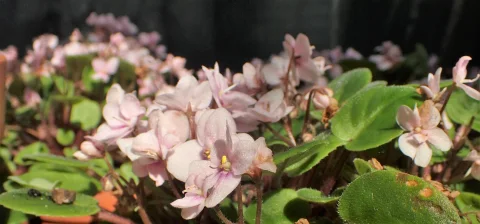 African Violet Streptocarpus ionanthus ionanthus Non-toxic
-
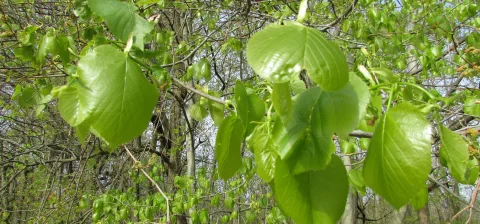 American Basswood Tilia americana Non-toxic
-
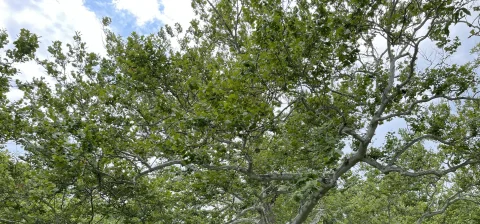 American Sycamore Platanus occidentalis Non-toxic
-
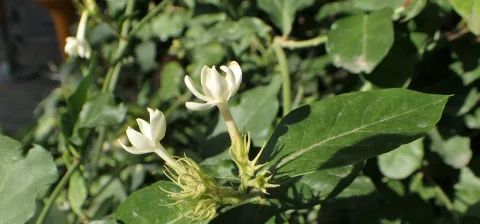 Arabian Jasmine Jasminum sambac Non-toxic
-
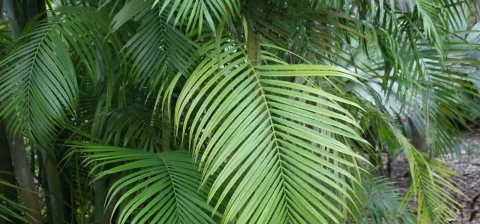 Areca Palm Dypsis lutescens Non-toxic
-
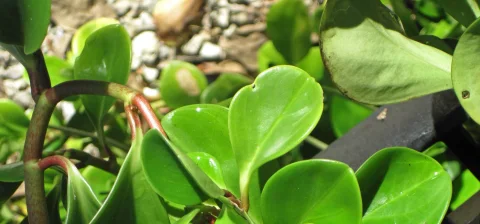 Baby Rubber Plant Peperomia obtusifolia Non-toxic
-
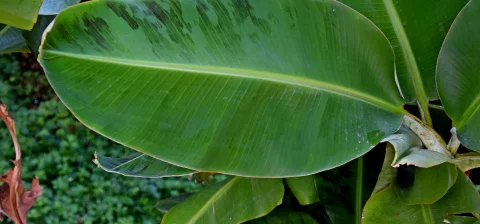 Banana Plant Musa acuminata Non-toxic
-
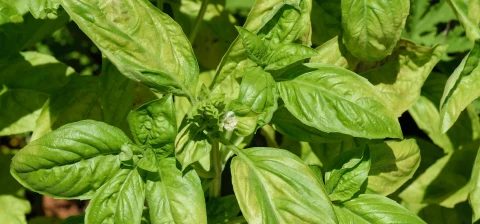 Basil Ocimum basilicum Non-toxic
-
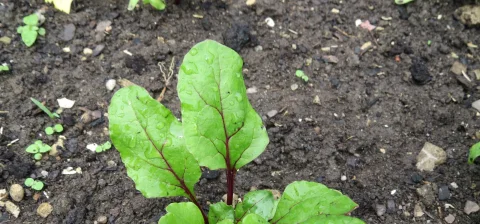 Beetroot Beta vulgaris Non-toxic
-
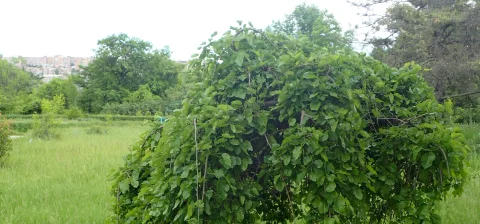 Black Mulberry Morus nigra Non-toxic
-
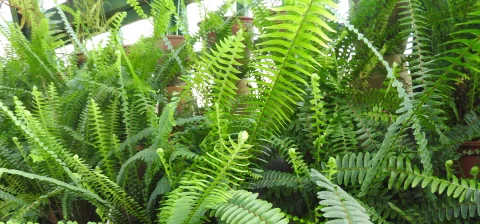 Boston Fern Nephrolepis exaltata Non-toxic
-
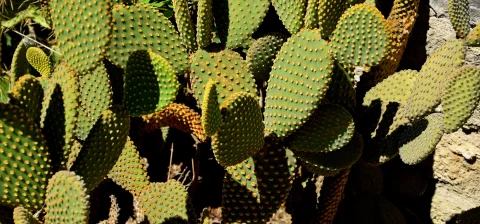 Bunny Ears Cactus Opuntia microdasys Non-toxic
-
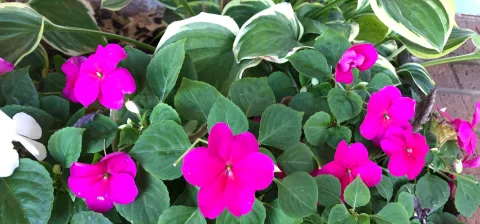 Busy Lizzie Impatiens walleriana Non-toxic
-
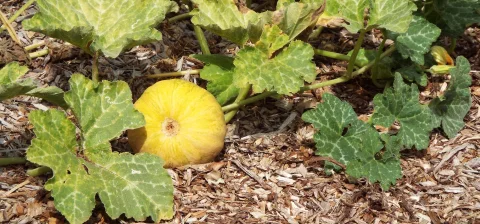 Butternut Squash Cucurbita moschata Non-toxic
-
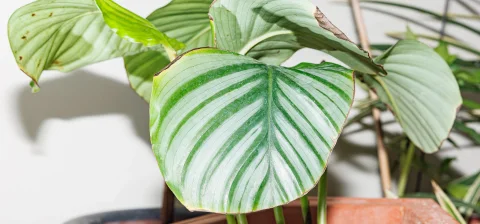 Calathea Orbifolia Goeppertia orbifolia Non-toxic
-
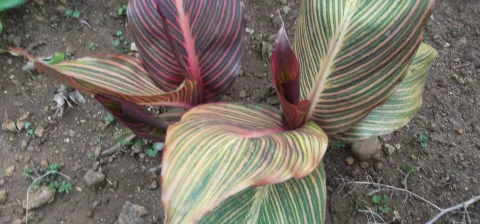 Canna Lily Canna generalis Non-toxic
-
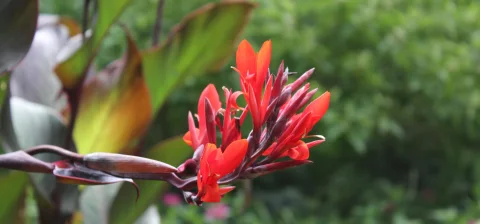 Canna Lily Canna indica Non-toxic
-
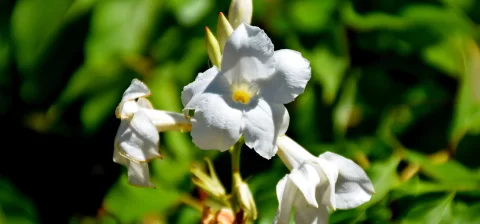 Chilean Jasmine Mandevilla laxa Non-toxic
-
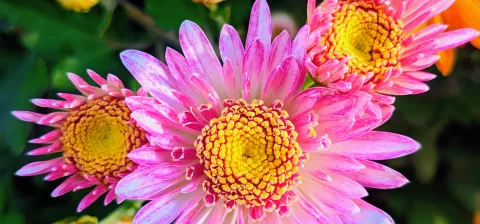 China Aster Callistephus chinensis Non-toxic
-
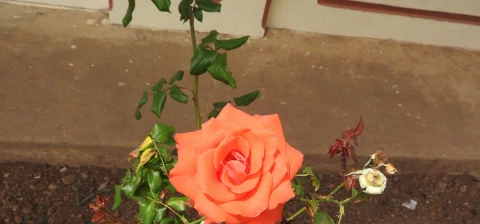 China Rose Rosa chinensis Non-toxic
-
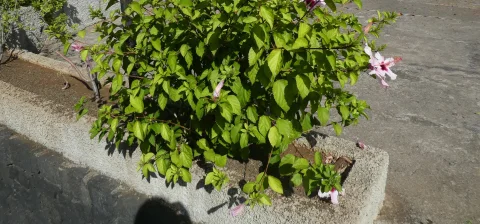 Chinese Hibiscus Hibiscus rosa-sinensis Non-toxic
-
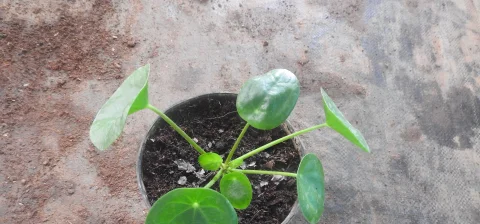 Chinese Money Plant Pilea peperomioides Non-toxic
-
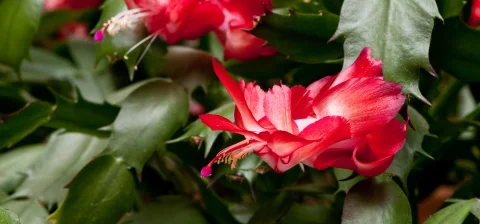 Christmas Cactus Schlumbergera truncata Non-toxic
-
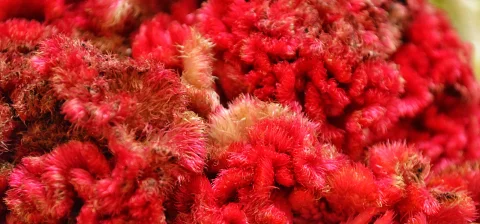 Cockscomb Celosia argentea cristata Non-toxic
-
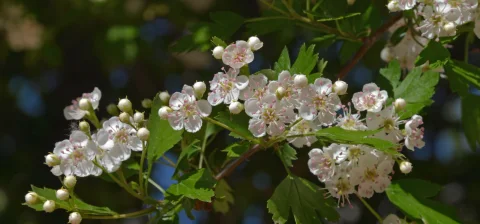 Common Hawthorn Crataegus monogyna Non-toxic
-
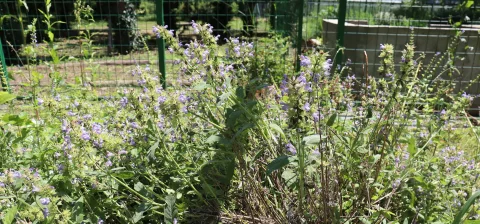 Common Sage Salvia officinalis Non-toxic
-
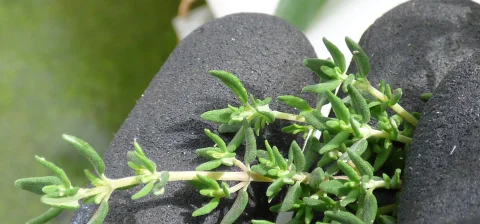 Common Thyme Thymus vulgaris Non-toxic
-
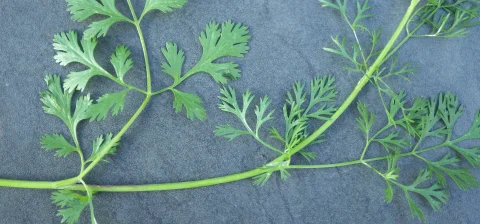 Coriander Coriandrum sativum Non-toxic
-
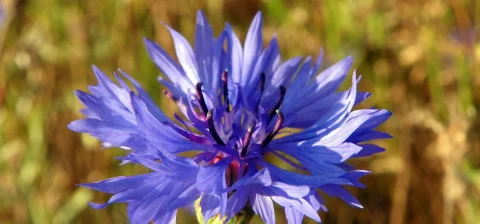 Cornflower Centaurea cyanus Non-toxic
-
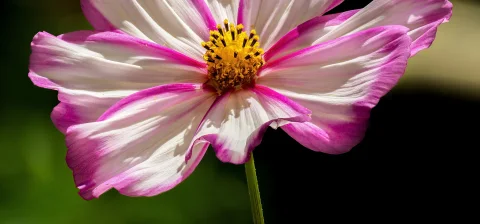 Cosmos Cosmos bipinnatus Non-toxic
-
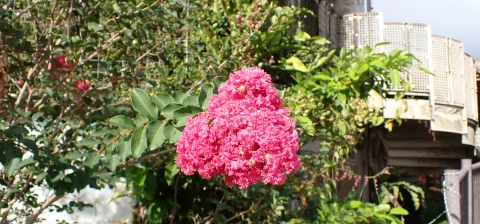 Crape Myrtle Lagerstroemia indica Non-toxic
-
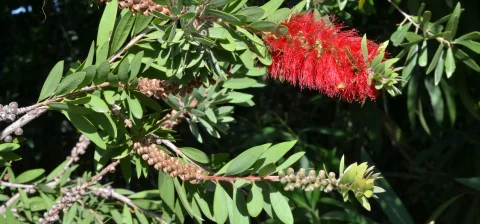 Crimson Bottlebrush Callistemon citrinus Non-toxic
-
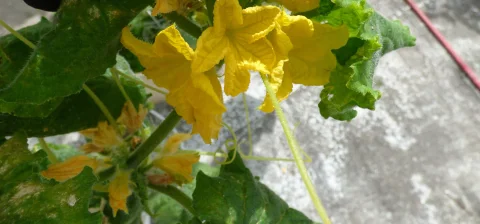 Cucumber Cucumis sativus Non-toxic
-
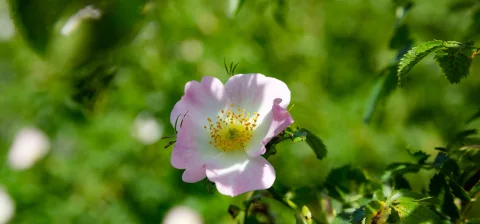 Dog Rose Rosa canina Non-toxic
-
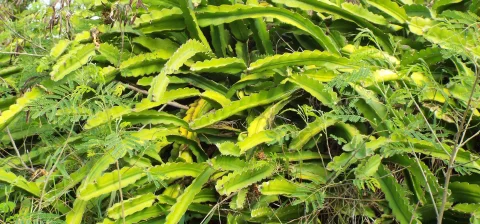 Dragon Fruit Selenicereus undatus Non-toxic
-
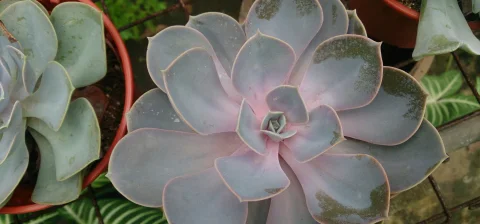 Echeveria 'Perle Von Nurnberg' Echeveria Non-toxic
-
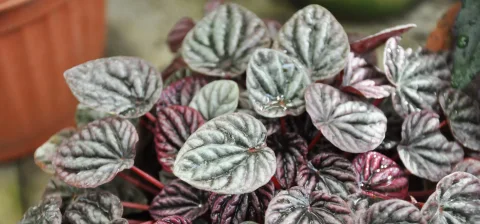 Emerald Ripple Peperomia Peperomia caperata Non-toxic
-
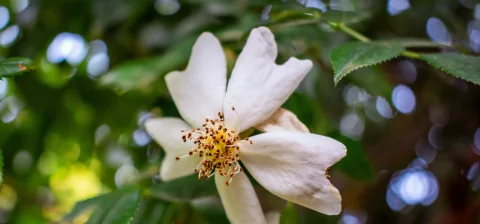 Evergreen Rose Rosa sempervirens Non-toxic
-
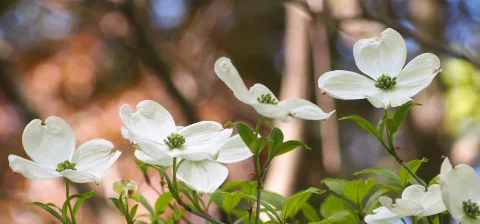 Flowering Dogwood Cornus florida Non-toxic
-
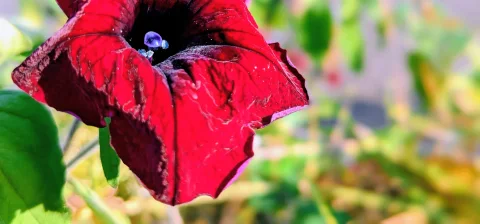 Garden Petunia Petunia atkinsiana Non-toxic
-
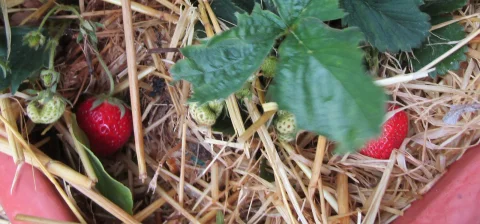 Garden Strawberry Fragaria ananassa Non-toxic
-
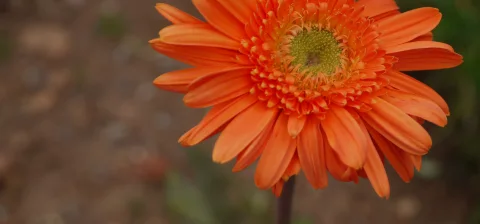 Gerbera Daisy Gerbera jamesonii Non-toxic
-
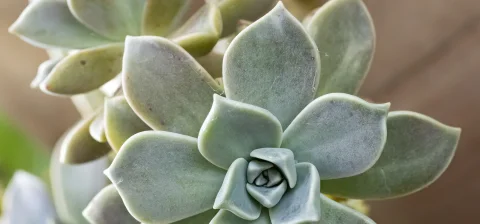 Ghost Plant Graptopetalum paraguayense Non-toxic
-
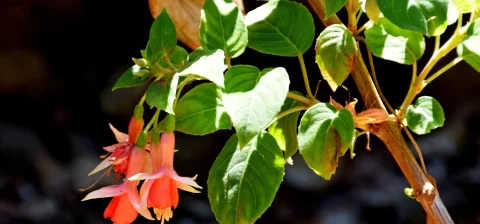 Hardy Fuchsia Fuchsia magellanica Non-toxic
-
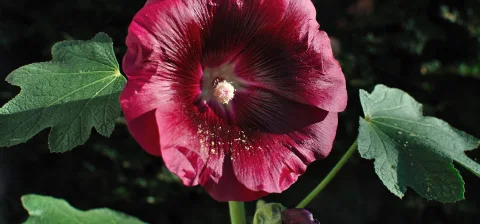 Hollyhock Alcea rosea Non-toxic
-
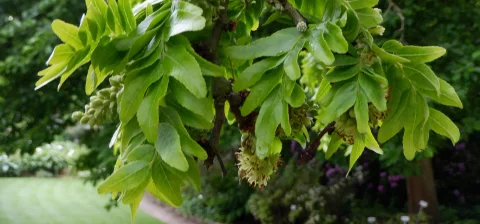 Honey Locust Gleditsia triacanthos Non-toxic
-
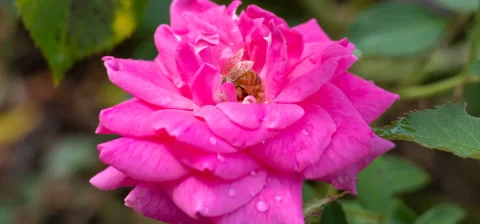 Hybrid Tea Rose Rosa Non-toxic
-
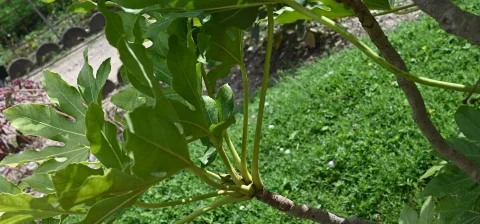 Japanese Aralia Fatsia japonica Non-toxic
🔴 Listed as toxic
158-
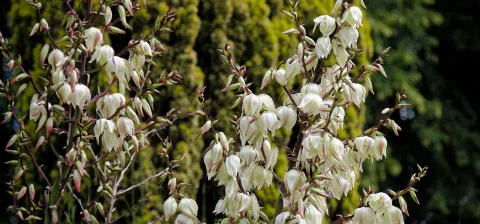 Adam's Needle Yucca filamentosa Toxic
-
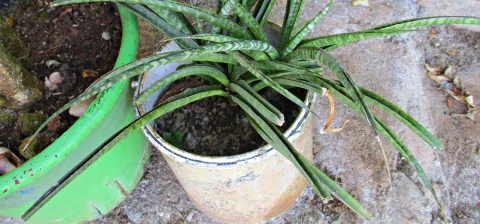 African Spear Dracaena angolensis Toxic
-
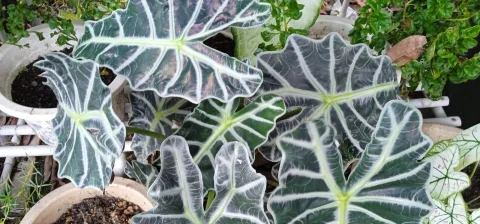 Alocasia Mortfontanensis Alocasia mortfontanensis Toxic
-
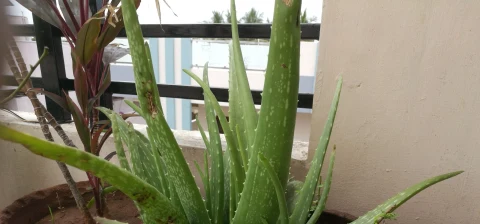 Aloe Vera Aloe vera Toxic
-
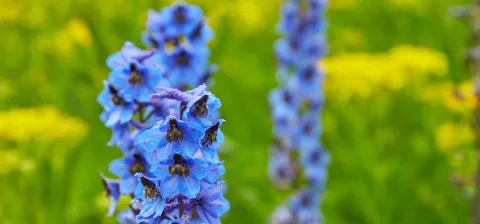 Alpine Delphinium Delphinium elatum Toxic
-
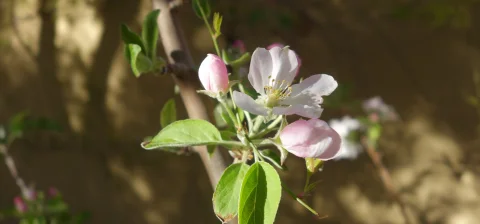 Apple Tree Malus domestica Toxic
-
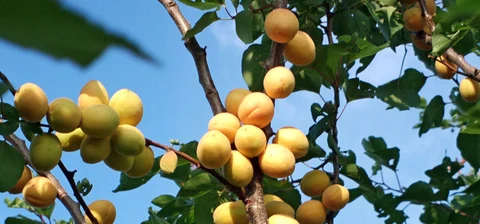 Apricot Prunus armeniaca Toxic
-
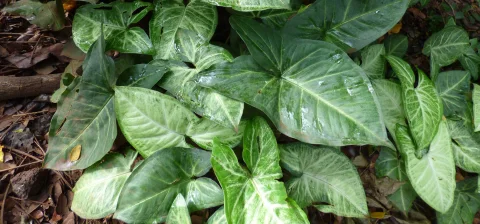 Arrowhead Vine Syngonium podophyllum Toxic
-
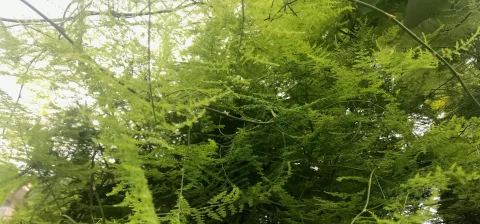 Asparagus Fern Asparagus setaceus Toxic
-
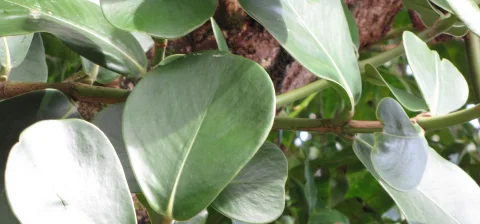 Autograph Tree Clusia rosea Toxic
-
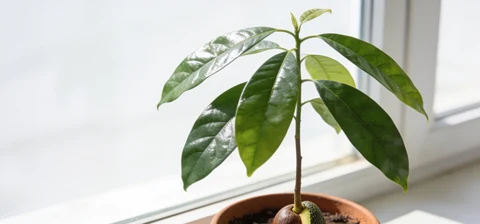 Avocado Persea americana Toxic
-
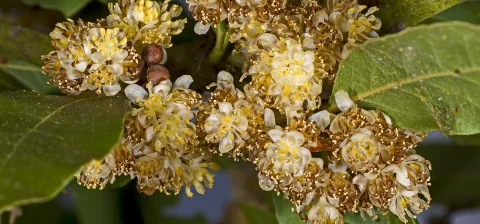 Bay Laurel Laurus nobilis Toxic
-
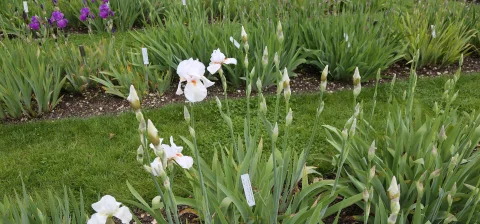 Bearded Iris Iris germanica Toxic
-
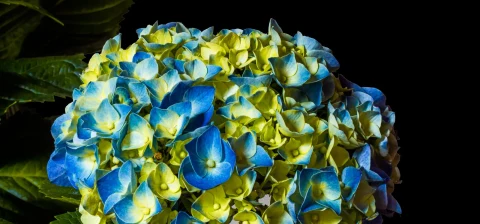 Bigleaf Hydrangea Hydrangea macrophylla Toxic
-
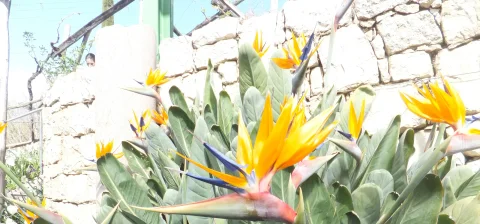 Bird of Paradise Strelitzia reginae Toxic
-
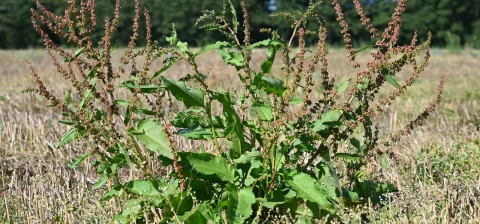 Bitter Dock Rumex obtusifolius Toxic
-
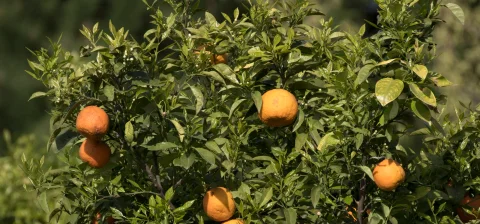 Bitter Orange Citrus aurantium Toxic
-
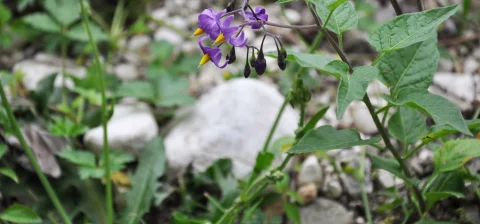 Bittersweet Nightshade Solanum dulcamara Toxic
-
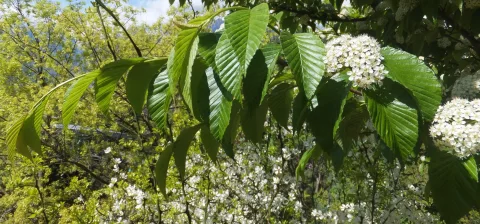 Black Cherry Prunus serotina Toxic
-
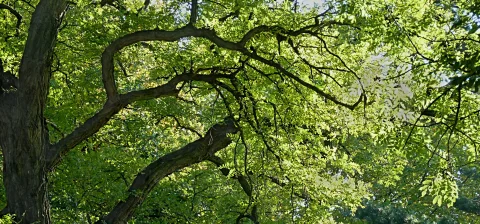 Black Locust Robinia pseudoacacia Toxic
-
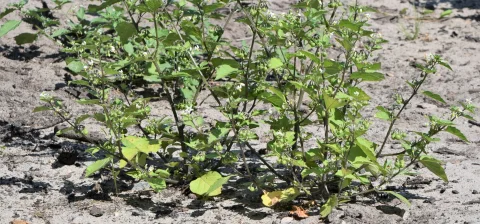 Black Nightshade Solanum nigrum Toxic
-
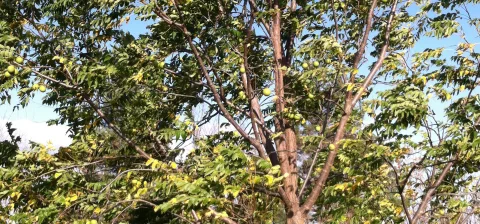 Black Walnut Juglans nigra Toxic
-
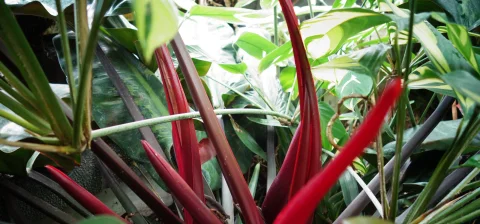 Blushing Philodendron Philodendron erubescens · Source: ASPCA Toxic (genus, per ASPCA)
-
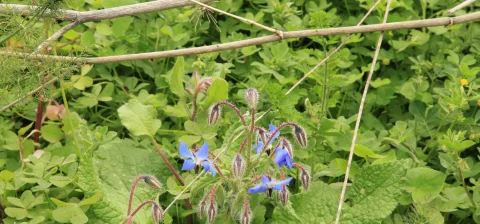 Borage Borago officinalis Toxic
-
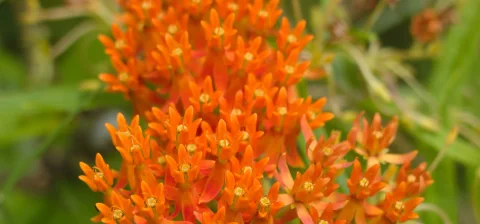 Butterfly Weed Asclepias tuberosa Toxic
-
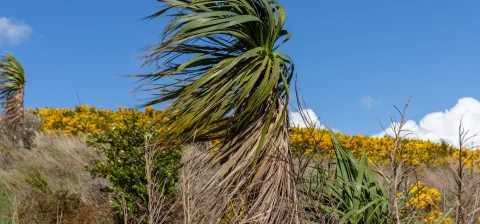 Cabbage Tree Cordyline australis Toxic
-
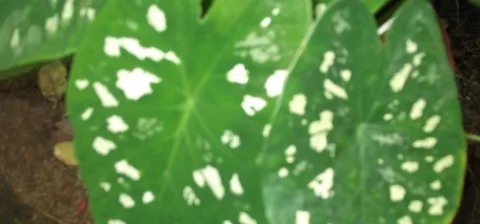 Caladium Caladium bicolor Toxic
-
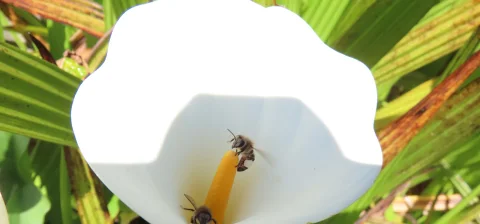 Calla Lily Zantedeschia aethiopica Toxic
-
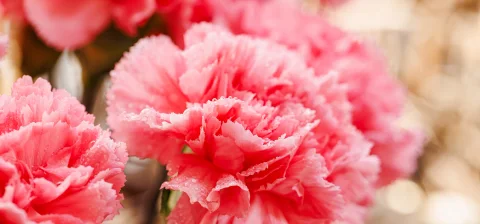 Carnation Dianthus caryophyllus Toxic
-
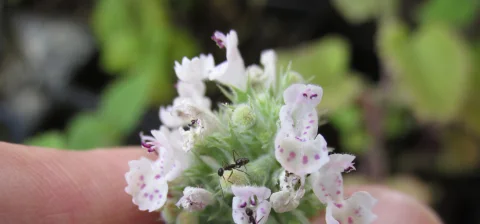 Catnip Nepeta cataria Toxic
-
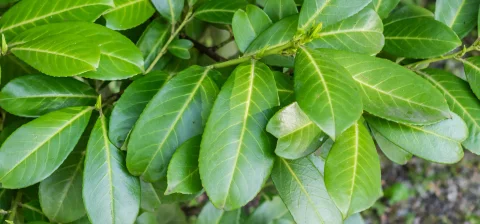 Cherry Laurel Prunus laurocerasus Toxic
-
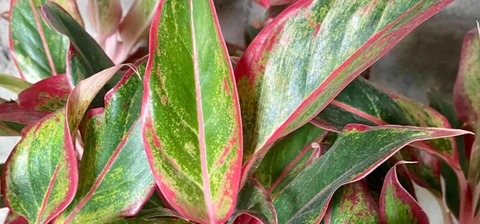 Chinese Evergreen Aglaonema commutatum Toxic
-
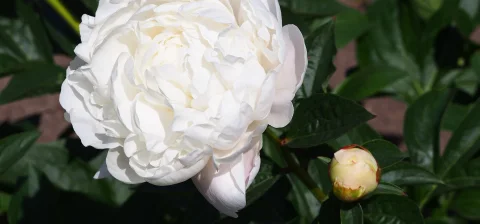 Chinese peony Paeonia lactiflora Toxic
-
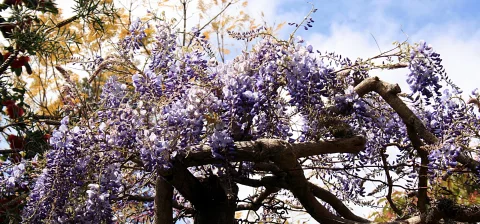 Chinese Wisteria Wisteria sinensis Toxic
-
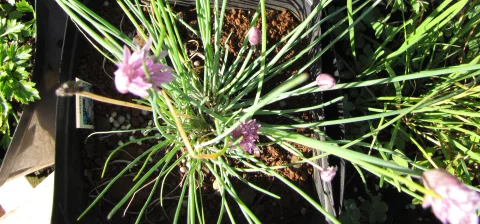 Chives Allium schoenoprasum Toxic
-
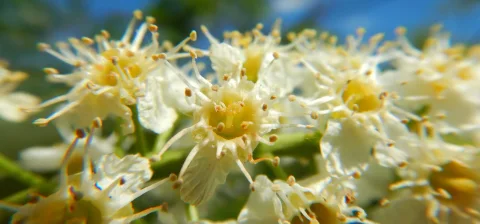 Chokecherry Prunus virginiana Toxic
-
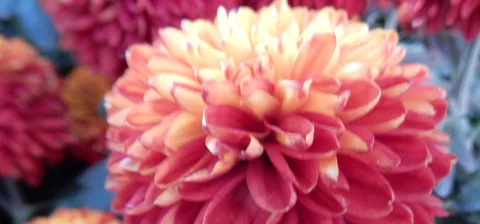 Chrysanthemum Chrysanthemum morifolium Toxic
-
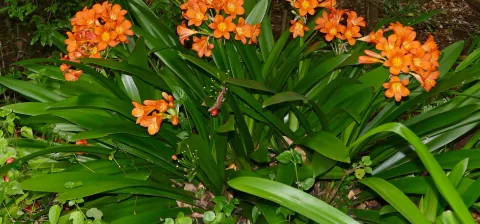 Clivia Clivia miniata Toxic
-
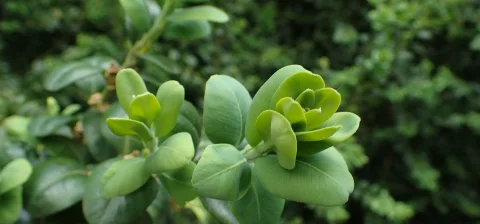 Common Boxwood Buxus sempervirens Toxic
-
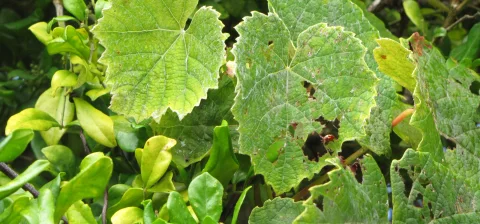 Common Grapevine Vitis vinifera Toxic
-
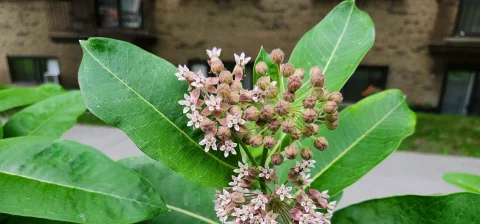 Common Milkweed Asclepias syriaca Toxic
-
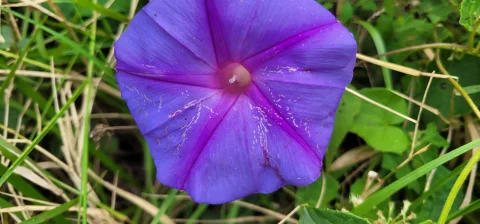 Common Morning Glory Ipomoea purpurea Toxic
-
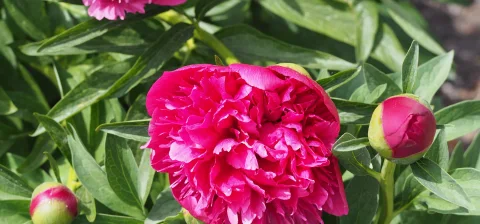 Common Peony Paeonia officinalis Toxic
-
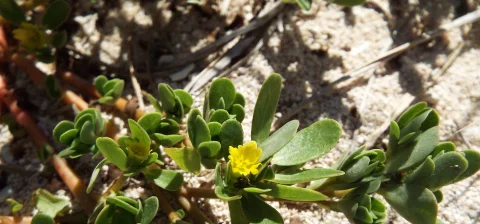 Common Purslane Portulaca oleracea Toxic
-
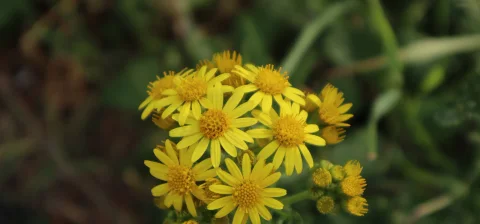 Common Ragwort Jacobaea vulgaris Toxic
-
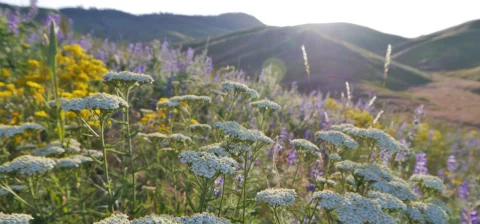 Common Yarrow Achillea millefolium Toxic
-
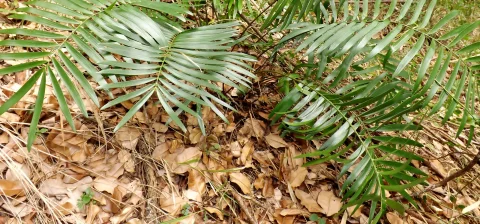 Coontie Zamia pumila Toxic
-
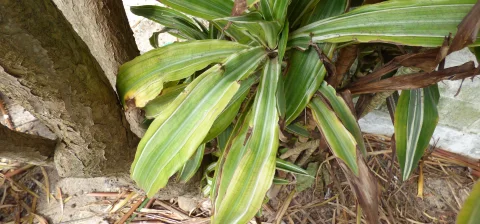 Corn Plant Dracaena fragrans Toxic
- Angel's trumpet Brugmansia · Source: Pet Poison Helpline Toxic per Pet Poison Helpline
- Autumn crocus Colchicum autumnale · Source: ASPCA Toxic
- Castor bean Ricinus communis · Source: ASPCA Toxic
- Christmas rose Helleborus niger · Source: ASPCA Toxic
- Daffodil Narcissus pseudonarcissus · Source: ASPCA Toxic
- Deadly nightshade Atropa belladonna · Source: Pet Poison Helpline Toxic per Pet Poison Helpline
- English holly Ilex aquifolium · Source: ASPCA Toxic
- February daphne Daphne mezereum · Source: Pet Poison Helpline Toxic per Pet Poison Helpline
- Golden chain tree Laburnum anagyroides · Source: Pet Poison Helpline Toxic per Pet Poison Helpline
- Hyacinth Hyacinthus orientalis · Source: ASPCA Toxic
- Lily of the valley Convallaria majalis · Source: ASPCA Toxic
- Monkshood Aconitum napellus · Source: Pet Poison Helpline Toxic per Pet Poison Helpline
The ones nobody has assessed
254 plants in the encyclopedia are not on the ASPCA list. That is not a clean bill of health, only an absence of data: treat them as unknown and keep them out of reach.
Source of the toxic and non-toxic statuses: ASPCA Animal Poison Control
12 plants in these lists have no guide in our encyclopedia yet: they appear only in this tool, with a link to the source of their status (ASPCA or Pet Poison Helpline).
This is not veterinary advice. If your animal has eaten a plant, call your vet or an animal poison centre straight away, even if the plant is listed as non-toxic.
How it works
Each plant page carries the status the ASPCA gives that species in its list of toxic and non-toxic plants: toxic, non-toxic, or absent from the list. The tool only sorts those statuses; it invents none. When a page also records what is known for cats or for dogs specifically, the cat and dog filters use that finer data first.